
What Is a Counter-depth Refrigerator?

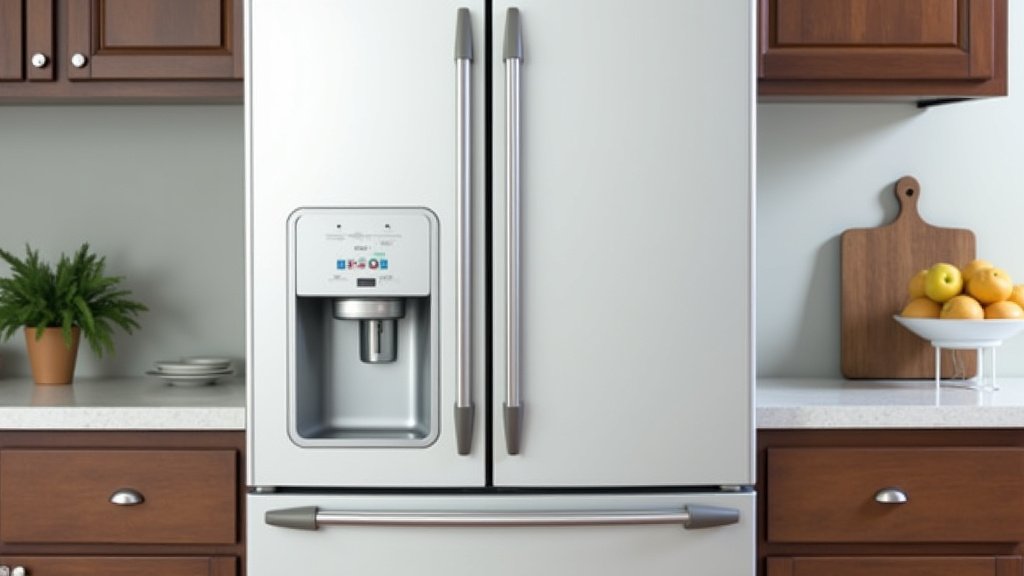
A counter-depth refrigerator is a specific type of fridge designed to sit nearly flush with your kitchen countertops. Unlike standard refrigerators that stick out several inches, these models offer a more streamlined, built-in look. They help create a clean, uniform line in your kitchen design.
You might be wondering if a counter-depth fridge is right for your home. We found they are a popular choice for homeowners seeking a sleek, integrated aesthetic. While they offer less overall capacity than a standard-depth fridge, their design benefits often outweigh the size difference for many people.
- Counter-depth fridges align with countertops.
- They create a seamless kitchen look.
- They are shallower than standard models.
- Capacity is often slightly reduced.
- Ideal for a modern, integrated aesthetic.
Let’s walk through everything you need to know about these stylish appliances, so you can decide if one belongs in your kitchen.
Understanding Counter-Depth Refrigerators
So, what exactly is a counter-depth refrigerator? Simply put, it’s a fridge designed to align with your kitchen counters. This creates a much more uniform and built-in appearance. Your kitchen gets a cleaner, more integrated look.
Comparing Depth: Counter-Depth vs. Standard-Depth
The main difference lies in their depth measurement. Standard refrigerators are typically deeper, often sticking out 6-9 inches beyond your countertops. This can break up the visual flow of your kitchen.
Counter-depth models, on the other hand, are engineered to match the depth of your standard kitchen cabinetry. This usually means they are around 24-25 inches deep, not including the doors. The doors themselves will still protrude slightly to allow for full opening.
We found that this difference in depth makes a big impact on kitchen aesthetics. It’s like the difference between a shirt that fits perfectly and one that’s a bit too baggy.
Key Dimensions to Consider
When you’re shopping, dimensions are everything. Don’t just look at “counter-depth” on the label. Always measure your space and check the product’s specifications.
- Depth (without doors): This is the crucial measurement for fitting flush with cabinets. Aim for 24-25 inches.
- Depth (with doors): Remember the doors will add a few more inches. This is important for walkways.
- Width: Fridges come in various widths, commonly 30-36 inches.
- Height: Measure from the floor to the top of your upper cabinets. Don’t forget hinges.
Many manufacturers provide detailed diagrams. We suggest you review these carefully. You want to avoid any surprises on delivery day.
The Advantages of Choosing Counter-Depth
Why would you opt for a counter-depth fridge? There are several compelling reasons. Most homeowners seek a more polished and intentional kitchen design.
Enhanced Kitchen Aesthetics
This is probably the biggest draw. A counter-depth refrigerator creates a sleek, custom look without the expense of a fully integrated, cabinet-front model. It makes your kitchen feel larger and more organized.
Imagine a straight line across your kitchen, unbroken by a protruding appliance. It’s visually satisfying and can significantly upgrade your kitchen’s appeal. It can make a modest kitchen feel more upscale.
Improved Kitchen Flow and Space
While the internal capacity might be slightly less, counter-depth fridges can actually improve the perceived space in your kitchen. By not sticking out as far, they leave more room in front of them. This is especially beneficial in galleys or smaller kitchens where every inch counts.
You’ll have a wider aisle, making it easier to move around. No more bumping into the fridge door when someone walks by. This improvement in flow is a practical benefit that many appreciate.
Easier Integration with Cabinetry
These fridges are designed to look like they belong. They often have less prominent hinges or more thoughtful door designs that blend better. This makes it easier to match them with your existing or new kitchen cabinets.
Some models even allow for custom cabinet panels, further blurring the line between appliance and cabinetry. This level of integration is a dream for those who love a uniform design scheme.
Considering the Downsides
It’s important to have a balanced view. While counter-depth refrigerators offer many benefits, they also come with a few trade-offs. You need to decide if these are deal-breakers for your household.
Reduced Storage Capacity
This is the most common concern. To achieve that flush look, manufacturers reduce the depth. This often translates to less internal cubic footage compared to a standard-depth fridge of the same width and height.
For example, a standard 36-inch wide fridge might offer 26-28 cubic feet of storage. A counter-depth model of the same width might only provide 20-22 cubic feet. This difference can be significant for large families or those who buy groceries in bulk.
You might find yourself needing to shop more frequently or consider a secondary fridge in the garage or basement. It’s a key factor to weigh against the aesthetic gains.
Higher Price Point
Generally, counter-depth refrigerators come with a higher price tag than their standard-depth counterparts. The specialized design and engineering often contribute to this cost.
We found that you can expect to pay anywhere from 10% to 30% more for a counter-depth model. This is an important budget consideration. Are you willing to pay extra for that streamlined look?
Potential for Limited Features
While many counter-depth models are feature-rich, some might have slightly fewer options or different configurations. Because of the shallower depth, some internal features, like certain types of ice makers or adjustable shelving, might be designed differently.
Always compare the specific features you want. Don’t assume everything available in standard models will be in counter-depth versions. Check for the crisper drawer sizes and door storage solutions.
Is a Counter-Depth Refrigerator Right for Your Kitchen?
So, after all this information, how do you decide? It really comes down to your priorities and kitchen needs. There’s no single right answer for everyone.
Evaluate Your Kitchen Size and Layout
Do you have a small kitchen or a galley-style layout? If so, the extra few inches of floor space gained by a counter-depth fridge can make a huge difference in mobility and comfort. It can prevent bottlenecks and make your kitchen feel more open.
Even in larger kitchens, if you prioritize a sleek, custom look, a counter-depth model is a strong contender. It helps maintain visual continuity.
Consider Your Household’s Storage Needs
How much food do you typically store? Are you a family of six that buys a month’s worth of groceries, or a single person who shops frequently? Your storage habits are critical.
If you constantly find your current fridge overflowing, a counter-depth model might lead to frustration. If you have an auxiliary fridge or prefer fresh, frequent shopping, the reduced capacity might not be an issue.
Budget and Aesthetic Preferences
Are you renovating and aiming for a modern, high-end look? The investment in a counter-depth fridge often pays off in terms of perceived value and curb appeal. The clean lines are a major aesthetic upgrade.
If budget is your absolute top priority, a standard-depth model will give you more cubic feet for your dollar. It’s all about balancing what you need with what you want to spend.
Checklist: Deciding on a Counter-Depth Fridge
Use this quick checklist to help you weigh your options:
- Do you prioritize a sleek, built-in kitchen look?
- Is your kitchen space tight, benefiting from extra walkway room?
- Are you comfortable with potentially less internal storage capacity?
- Does your budget allow for a slightly higher appliance cost?
- Do you prefer frequent grocery shopping over bulk buying?
- Will the fridge’s specific dimensions fit perfectly in your space?
Installation Considerations for Counter-Depth Models
Even though they are designed to fit flush, there are still some important installation details you need to be aware of. Proper installation ensures both aesthetics and functionality.
Ventilation Requirements
Refrigerators need space around them for proper ventilation. The coils need to release heat to operate efficiently. Manufacturers will specify minimum clearances for the top, sides, and back of the unit.
We found that many counter-depth models ventilate from the front or bottom. This allows them to sit closer to walls or cabinetry. Always check the manual for your specific model’s ventilation needs (Energy Star).
Door Swing and Handle Clearance
This is crucial. Even though the body is shallow, the doors themselves will still extend past your countertops. You need to ensure there’s enough room for the doors to swing open fully without hitting walls, cabinets, or other appliances.
Think about the handles too. If your fridge is next to a wall, the handle might prevent the door from opening past 90 degrees. This could make it difficult to pull out drawers or shelves. Test the door swing in your mind, or even better, with tape on the floor.
Water Line and Electrical Access
Like any refrigerator, you’ll need proper access for the water line (if you choose an ice maker/water dispenser) and the electrical outlet. These typically reside behind the fridge.
Because counter-depth fridges sit further back, ensure these connections are installed correctly and recessed if necessary. You don’t want a protruding plug preventing your fridge from sitting flush.
Conclusion
Deciding on a counter-depth refrigerator means weighing style against capacity. You’ve learned they offer a sleek, integrated look, making your kitchen feel more expansive and modern. While they might cost a bit more and offer slightly less internal storage, the aesthetic gains and improved kitchen flow are significant for many.
Ultimately, the best choice aligns with your kitchen’s layout, your family’s needs, and your budget. Take our checklist, measure your space meticulously, and consider your shopping habits. We encourage you to visit appliance showrooms to see these models in person. Trust your judgment to find the perfect fit for your home.
Frequently Asked Questions
Are all counter-depth refrigerators the exact same depth?
No, “counter-depth” is a category, not a single measurement. Most models are designed to be around 24-25 inches deep without their doors, to align with standard cabinetry. However, actual measurements can vary slightly by manufacturer, so always check the specifications for the specific model you’re considering.
Can I install a counter-depth refrigerator in a standard refrigerator opening?
Yes, you can. A counter-depth fridge will fit into a standard opening. The main difference is that it won’t stick out as far, leaving more open space in your kitchen. Just ensure you measure the width and height carefully to guarantee a good fit.
Do counter-depth refrigerators have ice makers and water dispensers?
Many counter-depth models come equipped with internal or external ice makers and water dispensers, just like standard refrigerators. However, the design of these features might be slightly different to accommodate the shallower depth. We recommend verifying the specific features of any model you consider.
How much space do I need behind a counter-depth refrigerator for ventilation?
The required ventilation space varies by model and manufacturer. Many counter-depth fridges are designed to vent from the front, meaning they can sit closer to the back wall. Always consult the appliance’s installation manual, but generally, a small gap of 1/2 to 1 inch is often sufficient.
Are counter-depth refrigerators harder to move or service?
Not necessarily. While they sit further back, they typically have wheels for easier movement during installation or cleaning. Servicing is similar to standard fridges, though technicians might need to pull the unit out completely for some repairs, which is standard procedure for most refrigerators.
