
Can You Put a Smart Refrigerator in a Garage?
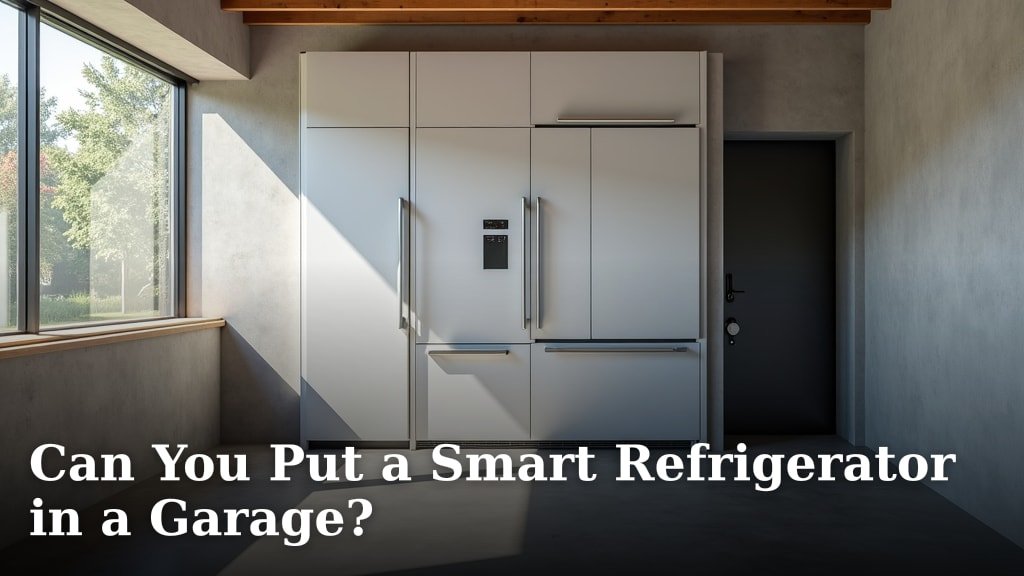
Yes, you can put a smart refrigerator in a garage, but you need to be aware of certain conditions. Extreme temperatures can seriously affect its performance and lifespan. You’ll want to check the manufacturer’s recommendations for optimal operating temperatures.
Many regular refrigerators struggle in garages due to temperature swings, and smart fridges are even more sensitive. They have advanced electronics that need a stable environment. This is especially true for connectivity and maintaining optimal food preservation.
- Garages often have extreme temperature swings.
- Smart refrigerators are sensitive to heat and cold.
- Check your fridge’s temperature ratings.
- An insulated garage helps protect electronics.
- Manufacturer warranties can be voided by improper use.
Let’s explore the essential factors you need to consider before placing your smart refrigerator in the garage.
Understanding Smart Refrigerators in Garage Environments
You can place a smart refrigerator in your garage, but it requires careful consideration of the environment. Smart appliances, especially refrigerators, have advanced electronics that are quite sensitive to extreme temperature fluctuations. We found that these conditions can seriously impact their performance and even shorten their lifespan.
The Core Difference: Smart vs. Standard Fridges
What makes a smart refrigerator different from a regular one in a garage setting? It’s all about the tech inside. A standard fridge relies mostly on mechanical components. A smart fridge adds computer boards, sensors, touchscreens, and Wi-Fi modules. These components are not designed for the harsh conditions often found in a garage.
Think of it like putting your smartphone outside in winter or summer. It might work for a bit, but you’ll notice it slowing down or even shutting off. Your smart fridge faces similar challenges. The electronics need a stable environment to function correctly.
Impact of Temperature Extremes on Electronics
Extreme heat can cause computer chips to overheat, leading to malfunctions or permanent damage. Imagine your Wi-Fi connection constantly dropping or the touchscreen freezing. On the other hand, extreme cold can make liquid crystal displays (LCDs) on touchscreens sluggish or even crack them. It also affects the viscosity of lubricating oils in moving parts, like fans or compressors, potentially causing them to work harder and wear out faster (Energy.gov).
Temperature Range: Your Fridge’s Comfort Zone
Every refrigerator, smart or not, has an optimal operating temperature range. This range is usually printed in the owner’s manual or on a label inside the fridge itself. For many indoor models, this range is typically between 50°F (10°C) and 90°F (32°C).
If your garage temperatures frequently fall outside this range, your smart fridge will struggle. It’s not just about keeping food cold; it’s also about protecting the appliance’s internal workings.
Garages: Not Always Fridge-Friendly
Garages are rarely climate-controlled. In many regions, they can get well below freezing in winter and soar above 100°F (38°C) in summer. These swings are much more dramatic than what a kitchen typically experiences.
A smart fridge trying to maintain 37°F (3°C) inside when the garage is 105°F (40°C) outside will work incredibly hard. This constant strain puts enormous stress on the compressor and other components. It’s like running a marathon uphill every day.
Compressor Struggles in Cold Weather
This is a big one. Many standard refrigerators, and even more so smart ones, use a special oil in their compressors. When it gets too cold, this oil can thicken. A thick oil makes the compressor work much harder to do its job. This can cause the motor to burn out prematurely.
Additionally, some refrigerators have an automatic defrost cycle. In very cold garage temperatures, this cycle might not activate correctly. The freezer could build up too much ice, making it less efficient and potentially damaging the unit. You’ll often find that your ice cream becomes soft or your frozen foods thaw slightly.
Warranty Void: A Costly Risk
Here’s a practical point: placing a refrigerator in an environment outside its recommended temperature range can void its warranty. Manufacturers specify operating conditions for a reason. If your smart fridge breaks down because it was too hot or too cold in the garage, the company might not cover the repairs.
Always check your appliance warranty document. It will outline the specific conditions under which the warranty remains valid. You don’t want to be stuck with a broken, expensive smart appliance that you have to pay to fix yourself.
What About “Garage-Ready” Refrigerators?
Some refrigerators are specifically designed for garage use. They are often called “garage-ready” or “garage-compatible” models. These units have enhanced insulation, more robust compressors, and sometimes even a built-in heater. The heater helps to keep the compressor oil warm enough to function properly in cold temperatures.
A “garage-ready” fridge is designed to handle temperatures from around 0°F (-18°C) to 110°F (43°C). If you’re set on a garage fridge, look for this specific designation. However, remember that even these models rarely come with all the high-tech smart features of their indoor counterparts.
| Feature | Standard Indoor Fridge | “Garage-Ready” Fridge | Smart Fridge (Indoor) |
|---|---|---|---|
| Temperature Range | 50°F – 90°F (10°C – 32°C) | 0°F – 110°F (-18°C – 43°C) | 50°F – 90°F (10°C – 32°C) |
| Insulation | Standard | Enhanced | Standard |
| Compressor Durability | Standard | More Robust | Standard |
| Electronics Sensitivity | Moderate | Low | High |
| Warranty in Garage | Often Voided | Typically Valid | Often Voided |
| Smart Features | Limited/None | Minimal/None | Extensive (e.g., Wi-Fi, camera) |
Solutions and Considerations for Garage Placement
So, you really want that smart fridge in your garage? You have a few options to make it work, or at least improve its chances of survival. It primarily comes down to environmental control.
Insulating Your Garage
Insulation is your best friend here. Adding insulation to your garage walls, ceiling, and even the garage door can dramatically reduce temperature swings. This creates a more stable microclimate for your appliance.
- Walls and Ceiling: Standard fiberglass or foam board insulation can make a big difference.
- Garage Door: Insulation kits are available for most garage doors.
- Sealing Gaps: Weatherstripping around the door and windows prevents drafts.
Think of it as giving your fridge a cozy, protective blanket against the outside world.
Adding Climate Control
For the ultimate protection, consider adding a heating and cooling system to your garage. A mini-split HVAC unit can maintain a consistent temperature year-round. This is a significant investment, but it ensures your smart fridge (and anything else sensitive) stays within its happy zone.
Alternatively, a space heater in winter and a portable AC unit in summer can help. Just be mindful of electricity costs. Also, never place a space heater too close to your fridge or other flammable materials.
Monitoring Garage Temperature
An inexpensive indoor/outdoor thermometer can help you track your garage’s temperature fluctuations. Place the indoor sensor near where you plan to put the fridge. This way, you’ll know exactly how extreme the conditions get throughout the day and across seasons.
This data can help you decide if garage placement is truly viable or if you need to invest more in climate control. It’s like getting a weather report just for your garage!
Before You Plug It In: A Quick Checklist
Before you commit to putting that smart refrigerator in your garage, run through this quick checklist:
- Did you check the manufacturer’s temperature guidelines for your specific model?
- Is your garage insulated enough to buffer extreme heat and cold?
- Have you considered how you’ll manage power consumption in extreme temperatures?
- Are you prepared for the possibility of voiding your warranty if conditions are too harsh?
- Do you have a plan to monitor the garage temperature regularly?
- Is the area well-ventilated, and is there enough space around the fridge for proper airflow?
Taking these steps helps ensure you make the best decision for your expensive smart appliance.
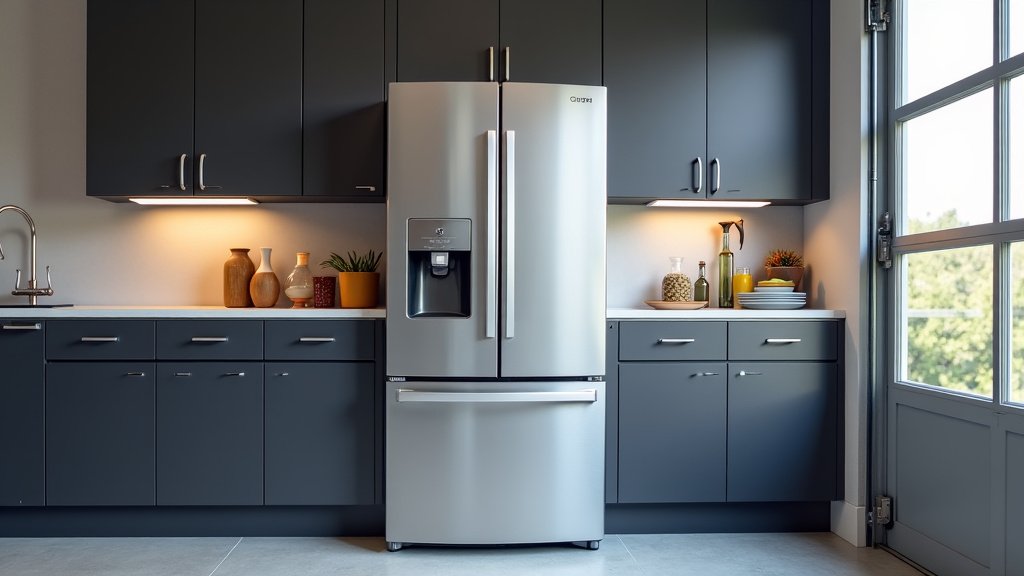
Conclusion
Placing a smart refrigerator in your garage isn’t a simple plug-and-play decision. You’ve learned that these appliances are highly sensitive to temperature extremes, which can damage their electronics, shorten their lifespan, and even void your warranty. While “garage-ready” models exist, they often lack the advanced features of a true smart fridge. Your best bet is to either choose a fridge specifically rated for garage conditions or invest in serious climate control for your garage environment. Always prioritize the manufacturer’s guidelines for your specific model.
Frequently Asked Questions
Can extreme garage temperatures permanently damage a smart refrigerator?
Yes, prolonged exposure to temperatures outside the manufacturer’s recommended range can cause permanent damage. Extreme heat can overheat sensitive electronics, while extreme cold can thicken compressor oil and crack touchscreens. These issues often lead to costly repairs or complete appliance failure.
Will putting my smart fridge in the garage void its warranty?
Most likely, yes. Manufacturers specify optimal operating temperatures. If your appliance breaks down due to conditions outside these parameters, the warranty will typically be voided. Always check your specific warranty document before placing the fridge in an unconditioned garage.
What’s the ideal temperature range for a smart refrigerator?
For most indoor smart refrigerators, the ideal operating temperature range is generally between 50°F (10°C) and 90°F (32°C). Temperatures outside this range put undue stress on the unit. “Garage-ready” models have a much wider acceptable range, often from 0°F to 110°F.
Do smart fridges use more electricity in a hot or cold garage?
A smart fridge will use significantly more electricity in both very hot and very cold garage environments. In heat, it works harder to keep items cool. In cold, it struggles to operate efficiently and its defrost cycle might activate more often, increasing energy consumption.
Is it worth buying a “garage-ready” refrigerator instead of a smart fridge for my garage?
If consistent temperature control and appliance longevity in a garage environment are your top priorities, a “garage-ready” refrigerator is a far better choice. While it might lack some smart features, it’s engineered to withstand temperature extremes and its warranty will remain valid, saving you potential headaches and costs down the line.


