Why Is My Smart Refrigerator Water Filter Light On?
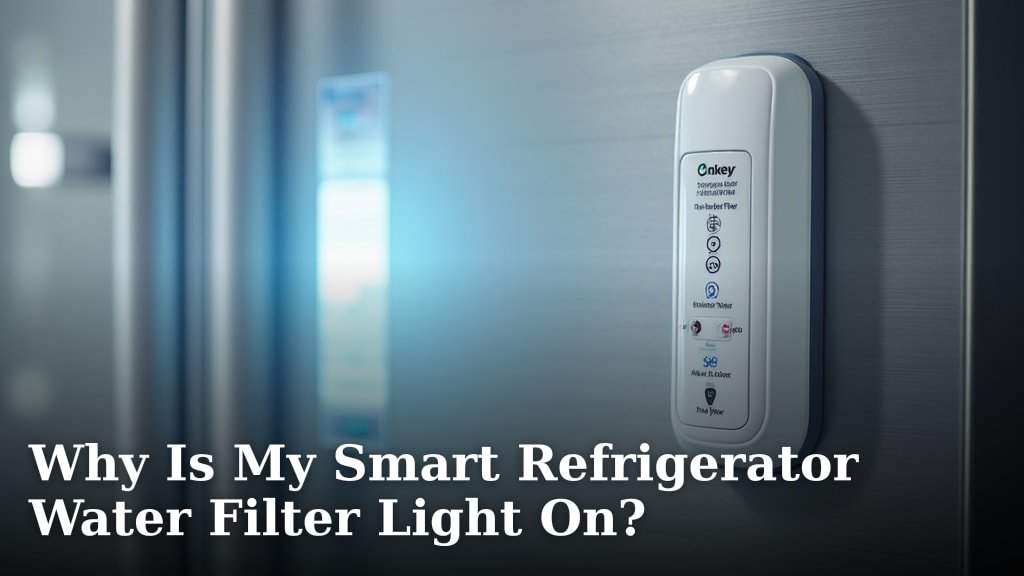
Your smart refrigerator water filter light is on because it’s time to replace your water filter. This light is a built-in reminder system. It helps ensure you always have clean, fresh drinking water from your fridge dispenser.
Many refrigerator models track water usage or time passed. We found that most filters need changing every six months or 200 gallons, whichever comes first. Ignoring the light can lead to poor water quality and reduced flow.
- Your filter light means it’s time for a change.
- Filters clean your water.
- Change filters every 6 months or 200 gallons.
- Dirty filters can affect water taste and flow.
- Resetting the light is easy after replacement.
Let’s walk through why this light is so important, what happens if you ignore it, and how to get your water tasting great again.
Understanding Your Refrigerator’s Filter Alert
That glowing light isn’t just a decoration; it’s your smart fridge giving you a friendly nudge. It means your water filter has reached its limit and needs replacing.
How Your Fridge Knows It’s Time
Ever wonder how your refrigerator is so smart? It uses a clever system to track your water filter’s lifespan. We found that there are two main ways this works.
Water Volume Tracking
Many refrigerators keep count of the gallons of water you dispense. Each filter has a specific capacity, usually around 200 gallons. Once you hit that number, the light comes on.
Think of it like an odometer in a car. It tracks how much “distance” your filter has covered. This is a very common method for accurate tracking.
Time-Based Monitoring
Other fridges simply track how long the filter has been in use. The general recommendation, which we found in many manufacturer guidelines, is to change filters every six months.
Even if you don’t use much water, bacteria can start to build up over time. This timed reminder helps keep your water fresh, even in less-used dispensers.
The Purpose of the Water Filter Light
The light serves a very important role. It acts as a continuous reminder, ensuring you consistently have clean and safe drinking water. It’s part of your fridge’s health monitoring system.
Without this light, it would be easy to forget. Who wants to keep a mental note of the last filter change date? This little light does the work for you.
What Your Water Filter Actually Does
So, why is this filter so important? It’s not just a fancy accessory. Your refrigerator’s water filter works hard to clean the water before it reaches your glass.
Filters contain activated carbon. This material is incredibly porous, acting like a sponge to catch impurities. It’s a simple but very effective technology.
Removing Common Impurities
Your filter targets several things you probably don’t want in your water. We found that most standard refrigerator filters are designed to reduce:
- Chlorine taste and odor: This is a common complaint about tap water.
- Sediment: Tiny particles like rust and dirt that can come from pipes.
- Cysts: Microscopic organisms that can cause illness (CDC).
- Lead: A heavy metal that can be harmful if consumed.
Some advanced filters can even reduce pharmaceuticals or pesticides. Always check your specific filter’s packaging for a detailed list of what it removes.
Protecting Your Refrigerator
The filter also helps protect the internal components of your fridge. By removing sediment, it prevents clogs in your water lines and ice maker. This can extend the life of your appliance.
Think of it as preventive maintenance. A clean water system inside your fridge means fewer potential repair issues down the road.
The Risks of Ignoring the Filter Light
It might seem like a small thing, but putting off a filter change can lead to some noticeable and potentially harmful issues. Don’t let that light glow for too long!
Declining Water Quality
The most immediate effect is that your water won’t be as clean. Once the filter reaches its capacity, it can no longer effectively remove impurities.
Instead of filtering, the old filter might even start to release trapped contaminants back into your water. This is called “media breakdown.” We found that this happens more often with heavily used, very old filters.
You might notice a funny taste or smell in your water and ice. This is a clear sign your filter has stopped doing its job.
Reduced Water Flow and Ice Production
As a filter gets clogged with impurities, it becomes harder for water to pass through. You’ll likely notice the water dispenser slowing down significantly.
Your ice maker might also produce less ice, or the ice cubes could be smaller. This is because the water pressure is too low to fill the ice trays properly.
Imagine trying to drink from a straw that’s partially blocked – it takes more effort and delivers less. Your fridge experiences something similar.
Potential Health Concerns
While not every old filter causes immediate illness, the risk increases. The buildup of bacteria or the re-release of contaminants can be a concern.
For individuals with weakened immune systems, this risk is higher. Many health organizations, like the EPA, stress the importance of clean drinking water for overall health.
Choosing the Right Replacement Filter
When it’s time to replace your filter, you have options. It’s important to select one that fits your fridge and meets your water quality needs.
OEM vs. Aftermarket Filters
You’ll typically find two types of filters: Original Equipment Manufacturer (OEM) and aftermarket.
| Feature | OEM Filter | Aftermarket Filter |
|---|---|---|
| Manufacturer | Made by your fridge’s brand (e.g., Samsung, LG) | Made by a third-party company |
| Fit | Guaranteed to fit perfectly | Usually designed to be compatible, but fit can vary |
| Performance | Meets manufacturer’s specifications for filtration | Performance can vary; check certifications carefully |
| Price | Generally more expensive | Often more affordable |
While aftermarket filters can save you money, always check for certifications. Look for filters certified by organizations like NSF International. This ensures they meet strict standards for contaminant reduction (NSF International).
Filter Certifications to Look For
Certifications are like a seal of approval for your filter. They tell you that an independent organization has tested the filter and confirmed its claims.
- NSF/ANSI 42: Reduces chlorine taste and odor, and particulate matter.
- NSF/ANSI 53: Reduces specific health-related contaminants like lead, cysts, and VOCs (Volatile Organic Compounds).
- NSF/ANSI 401: Reduces emerging contaminants like pharmaceuticals and pesticides.
Knowing these certifications helps you choose a filter that truly protects your water. Don’t just buy any filter; read the labels carefully.
Steps to Replace and Reset Your Filter Light
Replacing your filter and resetting the light is usually a straightforward process. You don’t need any special tools or skills.
Your Filter Change Checklist
Here’s a quick guide to help you through the process:
- Locate your filter: It’s usually inside the fridge, in the base grille, or in the top right corner.
- Turn off the water supply: This prevents leaks during replacement.
- Twist out the old filter: Most simply twist and pull out.
- Insert the new filter: Make sure it clicks securely into place.
- Turn on the water supply: Check for any leaks.
- Flush the system: Dispense a few gallons of water to clear air and carbon dust.
- Reset the filter light: Hold down the reset button until it turns off.
Always refer to your refrigerator’s owner’s manual for specific instructions. Every model can be a little different.
Conclusion
Seeing that filter light doesn’t have to be a headache. It’s your smart fridge helping you keep your water clean and your appliance healthy. Ignoring it can lead to bad-tasting water, slow flow, and even potential health concerns. We’ve shown you how important those regular changes are.
By understanding why the light is on, what your filter does, and how to pick a certified replacement, you’re all set. Make sure to replace your filter promptly and reset the light. You’ll enjoy fresh, filtered water and keep your refrigerator running smoothly for years to come.
Frequently Asked Questions
What if I can’t find my refrigerator’s water filter reset button?
Most refrigerators have a dedicated reset button, often near the dispenser or inside the fridge. If you can’t locate it, check your refrigerator’s owner’s manual. We found that some models require a specific button combination or holding a button for a set amount of time.
Can I clean and reuse my old refrigerator water filter?
No, you cannot clean and reuse a refrigerator water filter. Once a filter has reached its capacity, its filtration media is full of trapped impurities. Attempting to clean it won’t restore its effectiveness and could even push contaminants back into your water.
How do I know if my water filter is truly working after I change it?
After changing your filter, you should notice an immediate improvement in water taste and odor, especially if your old filter was past due. You’ll also see increased water flow from the dispenser. For peace of mind, ensure you’re using a filter certified by organizations like NSF International.
Does filtering my water remove beneficial minerals?
Most standard refrigerator water filters, like those with activated carbon, are designed to remove impurities and contaminants. They typically do not remove beneficial minerals such as calcium and magnesium, which contribute to the taste of water. Check your filter’s specific specifications if you have concerns.
My ice tastes strange even after changing the water filter. Why?
If your ice still tastes off after a filter change, the problem might be in the ice maker itself or the ice bin. Old ice can absorb odors from your freezer. Try emptying the ice bin, cleaning it thoroughly, and discarding the first few batches of new ice after the filter replacement.