
What Is the Best Water Filter Replacement Schedule?
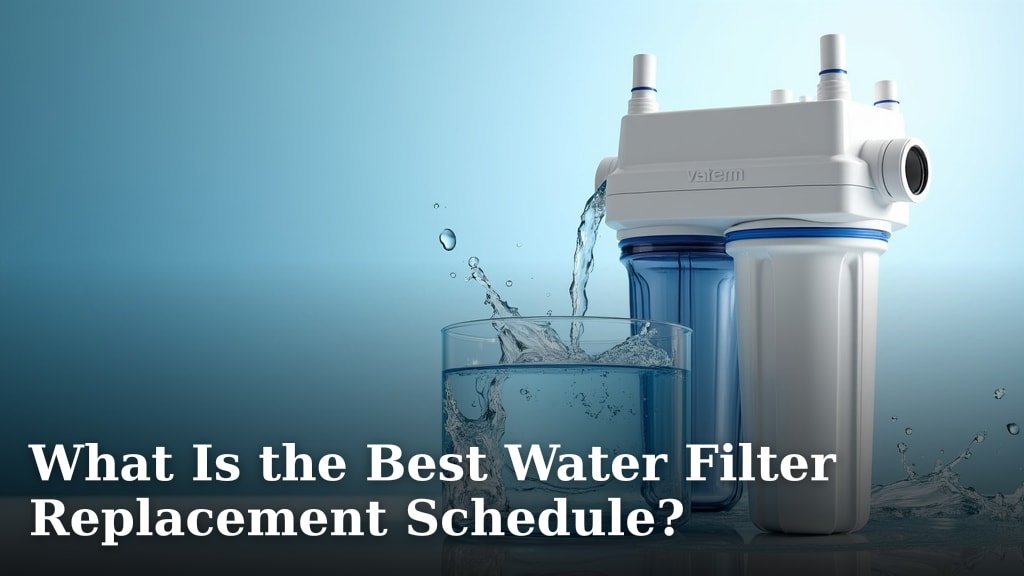
The best water filter replacement schedule generally falls between three to six months for most pitcher and faucet filters, and six to twelve months for whole-house systems. Your specific filter’s lifespan depends on its type, your water quality, and how much water you use. Always check your filter’s manual for exact recommendations.
Forgetting to change your filter can lead to reduced effectiveness, meaning your water might not be as clean as you think. It can also cause water flow issues or even allow contaminants to build up. We’ve found that staying on schedule keeps your water tasting great and your filter working its best.
- Check your filter’s manual first.
- Most pitcher/faucet filters need changing every 3-6 months.
- Whole-house filters often last 6-12 months.
- Usage and water quality affect filter lifespan.
- Don’t wait for reduced flow; change it on time.
Let’s walk through exactly how to figure out the right replacement schedule for your specific water filter and what factors play a role.
Finding Your Ideal Water Filter Replacement Interval
The ideal time to replace your water filter really depends on a few key things. It’s not a one-size-fits-all answer, much like how often you change your car’s oil. We’re talking about the type of filter you have, the quality of your tap water, and just how much water you’re actually filtering every day.
Don’t worry, we’ll break it down so it makes perfect sense for your home. You’ll soon feel confident about when to swap out that old filter for a fresh one.
Understanding Different Filter Types and Their Lifespans
Water filters come in many shapes and sizes, each designed for a specific job. Naturally, their lifespans vary. Think of it like comparing a coffee filter to a furnace filter – very different jobs, very different replacement schedules. Knowing your filter type is the first big step.
Pitcher and Faucet-Mounted Filters
These are super common for individuals or small families. They offer a quick and easy way to get cleaner drinking water right from your tap or pitcher. Their compact size means they have less filtering material.
- Typical Lifespan: You’ll generally need to replace these every 2 to 6 months.
- Why It’s Shorter: They process smaller volumes of water and have less media to absorb contaminants. If you’re filling up that pitcher multiple times a day, you’ll be on the shorter end of that range.
Under-Sink and Countertop Filters
These systems are a step up in filtration capacity. They often use multiple stages or larger cartridges. Many people love them for dedicated drinking water spigots.
- Typical Lifespan: Most under-sink and countertop filters last between 6 to 12 months.
- What to Watch For: Some multi-stage systems might have different replacement times for each cartridge. Always check the manual for each specific filter in your unit.
Whole-House Water Filters
Now we’re talking about filtering all the water that enters your home. These big systems handle a lot of water and protect all your appliances. They have much larger filter cartridges.
- Typical Lifespan: Whole-house filters usually need changing every 6 to 12 months, sometimes even longer for specialized sediment filters.
- Key Benefit: These protect your pipes, water heater, and even your shower from sediment and chlorine, not just your drinking water.
Refrigerator Water Filters
Many modern refrigerators come with a built-in water dispenser and ice maker. These filters are convenient but often forgotten.
- Typical Lifespan: The standard recommendation is to replace these every 6 months.
- Manufacturer Specifics: It’s especially important to follow your refrigerator manufacturer’s guidelines here, as they are designed for that specific appliance.
Factors That Impact Your Water Filter’s Life
Think of your water filter like a sponge. The more dirt it soaks up, the sooner it needs to be cleaned or replaced. Several things affect how quickly your filter “fills up” and loses its effectiveness.
Your Water Quality Matters
This is a big one. The quality of your water supply plays a huge role. If your water has more contaminants, your filter works harder and gets saturated faster.
- Hard Water: Water with high mineral content (calcium, magnesium) can clog filters quicker. This is common in many parts of the US.
- Sediment: If you see visible particles in your water, or if you’re on well water, your filter might be battling a lot of sediment. This will shorten its life.
- Chlorine Levels: City water often has chlorine to disinfect it. While important, chlorine is something your filter works to remove, and higher levels mean more work for the filter.
You can often find water quality reports for your area online from your local water utility. This can give you a good idea of what your filter is up against.
How Much Water You Use
This one seems obvious, right? The more water you filter, the faster the filter wears out. A single person using a pitcher filter will replace it less often than a family of five.
For example, if a pitcher filter is rated for 40 gallons, and you drink 1 gallon a day, it will last 40 days. If you drink 2 gallons a day, it lasts 20 days. Simple math!
When in doubt, if you’re a heavy water user, it’s always safer to lean towards the shorter end of the recommended replacement interval.
Signs It’s Time to Change Your Water Filter
Sometimes your filter will give you clues that it’s ready for retirement. Pay attention to these signals, as they often mean your water isn’t as clean as it could be.
Noticeable Changes in Water Taste or Odor
This is often the most obvious sign. If your filtered water starts to taste like your unfiltered tap water again, or if you notice any chlorine smell returning, your filter is likely exhausted. It’s no longer effectively removing those impurities.
A good water filter makes water taste clean and neutral. If it doesn’t, it’s time for a change.
Reduced Water Flow
Is your faucet filter just trickling water out? Is your refrigerator dispenser taking ages to fill a glass? This slow flow is a classic sign of a clogged filter. As the filter media traps more particles, it restricts water flow, much like a clogged drain.
Don’t wait until it’s a mere drip. Reduced flow means your filter is struggling.
Visible Filter Discoloration
Some filters, especially sediment filters, allow you to see the filter media. If it looks brown, orange, or generally grimy, it’s doing its job – but now it’s full. It has absorbed all it can, and can’t effectively filter anymore.
While not all filters are transparent, if yours is, keep an eye on it.
The Risks of Not Changing Your Filter on Time
It might seem like a small thing to delay a filter change, but there can be real downsides. You invested in a filter for a reason, right? Don’t let that investment go to waste by letting it overstay its welcome.
Decreased Water Quality
This is the most direct consequence. An expired filter can no longer effectively remove contaminants. This means you might be drinking water with impurities you thought were being filtered out. Sometimes, a very old filter can even release trapped contaminants back into your water, which is definitely not what you want.
Think of it as putting a dirty coffee filter in your coffee maker – it won’t brew a clean cup.
Potential for Bacterial Growth
Filters can become breeding grounds for bacteria if not replaced. The moist, dark environment, coupled with trapped organic matter, can create an ideal place for microorganisms to multiply. You definitely don’t want those in your drinking water. This is why many manufacturers strongly recommend timely replacement.
Damage to Your Filtration System or Appliances
A clogged filter makes your system work harder. For whole-house systems, this can strain pumps or reduce water pressure throughout your home. For refrigerator filters, it can put extra stress on the water dispenser mechanism. Replacing filters on time protects your equipment and prevents costly repairs down the line.
Your Water Filter Replacement Checklist
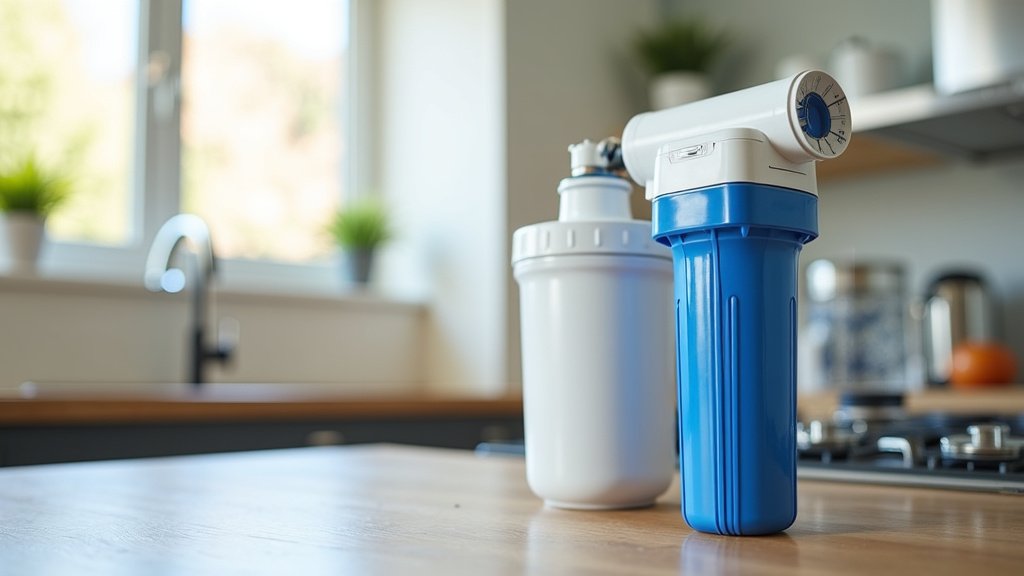
Staying on top of filter changes doesn’t have to be a chore. Here’s a quick checklist to help you keep things running smoothly:
- Check the Manual: Always start here. Your filter’s manual has the manufacturer’s exact recommendations.
- Mark Your Calendar: Use a physical calendar, phone reminder, or smart home device to set replacement alerts.
- Buy in Bulk: If you know your replacement schedule, buy a few filters at once. You’ll always have a fresh one on hand.
- Label It: Use a marker to write the installation date directly on the new filter when you put it in.
- Listen to Your Water: Pay attention to taste, odor, and flow. These are often the best indicators.
Quick Reference: Common Filter Replacement Schedules
To help you keep track, here’s a handy table summarizing typical replacement times. Remember, these are general guidelines, and your specific situation might vary.
| Filter Type | Typical Replacement Schedule | Key Influencing Factors |
|---|---|---|
| Water Filter Pitchers | 2-4 months | Usage, water hardness |
| Faucet-Mounted Filters | 2-6 months | Usage, water quality |
| Refrigerator Filters | 6 months | Manufacturer recommendation, usage |
| Under-Sink Filters | 6-12 months | Filter type (e.g., carbon, sediment), water quality |
| Whole-House Filters | 6-12 months (or longer for some sediment pre-filters) | Water quality (sediment load), flow rate |
Using this table, you can quickly see where your filter fits in. But again, always refer to your specific product manual first for the most accurate information. Your health and the longevity of your system depend on it.
Conclusion
Maintaining a consistent water filter replacement schedule is key to enjoying clean, great-tasting water and protecting your home. You’ve learned that the best interval depends on your filter type, local water quality, and how much water you use daily. Always prioritize your filter’s manual, but also pay attention to taste changes, slow flow, or visible discoloration as clear signals it’s time for a change.
By staying on top of these replacements, you prevent contaminants, avoid potential bacterial growth, and safeguard your filtration system. Make it a habit to check your calendar and listen to your water. Your health and your appliances will thank you for it!
Frequently Asked Questions
What happens if I don’t change my water filter?
If you don’t change your water filter, it will eventually stop working effectively. You might notice your water tasting or smelling off, or the water flow could become very slow. Old filters can also become a breeding ground for bacteria or even release trapped contaminants back into your water.
Can I clean my water filter instead of replacing it?
Most household water filters are designed for replacement, not cleaning. Attempting to clean them can damage the filter media, making them less effective or even unusable. Always check your specific filter’s instructions, but generally, replacement is the only recommended option.
How can I remember to change my water filter?
Many people find success by setting recurring reminders on their phone or smart home devices. You can also write the installation date directly on the new filter with a permanent marker. Some filters even come with indicator lights that alert you when it’s time for a change.
Does using a water filter save money in the long run?
Yes, many people find that using a water filter saves money compared to buying bottled water. It also helps protect your plumbing and appliances from sediment and mineral buildup, potentially extending their lifespan and reducing repair costs. The cost of replacement filters is usually much less than these alternatives.
Is it bad to drink water from an old filter?
Drinking water from an old filter isn’t ideal. While it might not immediately make you sick, an expired filter can’t remove impurities effectively, meaning you’re consuming water that isn’t as clean as you expect. In some cases, very old filters can even become a source of contamination themselves.