
How Long Does a Smart Refrigerator Last?
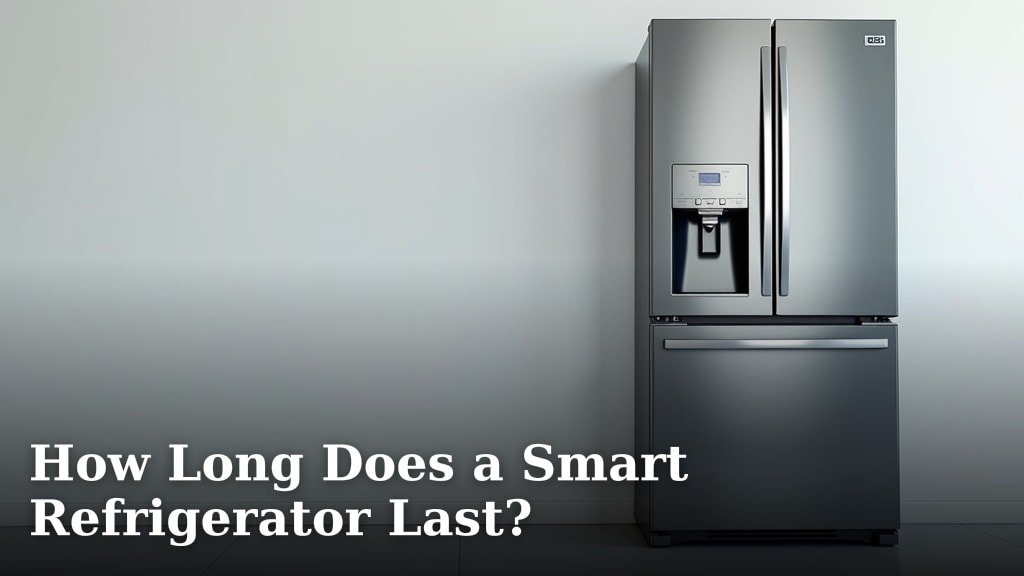
A smart refrigerator can last anywhere from 10 to 15 years, much like a traditional fridge. However, its advanced smart features might have a shorter lifespan due to evolving technology. We found that the core cooling components are very durable.
You’re investing in convenience, so you want it to last, right? We know you care about getting the most out of your appliances. The overall lifespan depends on several factors, including how well you maintain it and the brand you choose.
- Smart fridges typically last 10-15 years.
- Smart features might become outdated faster.
- Proper maintenance helps extend its life.
- Brand reputation affects longevity.
- Technology evolves quickly in smart appliances.
Let’s explore what truly impacts how long a smart refrigerator lasts and how you can help it reach its full potential.
Understanding the Longevity of Your Smart Refrigerator
Your smart refrigerator, at its heart, is still a refrigerator. This means its core cooling system is designed for durability. We found that the main components, like the compressor and evaporator, are built to last a good 10 to 15 years, similar to traditional models (Energy Star).
But what about the “smart” part? That’s where things get a little different. The advanced features might not have the same long-term shelf life as the cooling mechanics. Let’s dig into why.
Core Components vs. Smart Technology: A Tale of Two Lifespans
Think of your smart fridge like a car. The engine and chassis are built to last for many years and miles. However, the in-car entertainment system or navigation might become outdated much quicker. Smart refrigerators operate on a similar principle.
The Robust Cooling System
The parts that keep your food cold – the compressor, condenser, evaporator, and refrigerant – are generally very tough. These are mechanical components, and their failure usually comes from wear and tear over many years. Proper airflow and regular cleaning can significantly extend their operational life.
Many manufacturers use similar, time-tested cooling technologies across their smart and non-smart fridge lines. This consistency helps ensure a baseline of reliable performance for the primary function of refrigeration.
The Evolving Smart Features
Here’s where the longevity becomes more complex. The touchscreens, internal cameras, connectivity modules (Wi-Fi, Bluetooth), and custom operating systems are tech-dependent. Technology advances rapidly. What seems revolutionary today might be common or even slow tomorrow.
We found that software updates are crucial for smart features. If a manufacturer stops supporting a particular model with updates, some functionalities might become less useful or even incompatible with newer apps or services. This doesn’t mean the fridge stops cooling, but its “smartness” diminishes.
Factors Influencing Your Smart Fridge’s Lifespan
Many things play a role in how long your smart refrigerator will keep working its best. It’s not just about the brand or the initial quality. Your habits matter too.
Brand Reputation and Build Quality
Some brands are known for their durability and reliability. We found that investing in a reputable brand often means better component quality and stronger customer support. Do a little research; what do existing owners say about their experience?
Premium brands often use higher-grade materials and more rigorous testing. This can translate to a fridge that withstands daily use better and experiences fewer early failures. Cheaper models might cut corners, which could shorten their overall life.
Maintenance Habits
This is probably the biggest factor in your control. Just like a car needs oil changes, your fridge needs a little love. Regular cleaning of coils, checking door seals, and ensuring proper ventilation can prevent common problems.
For smart features, keeping the software updated and ensuring a stable Wi-Fi connection helps. A little attention goes a long way in keeping both the cooling and the smart parts of your appliance running smoothly.
Usage Patterns and Environment
How often do you open the doors? Is your fridge in a very hot garage or a cool kitchen? These seemingly small details can add up. Constant door openings make the compressor work harder, potentially shortening its life.
Extreme temperatures can also stress components. Ensure your fridge has proper clearance for airflow. A poorly ventilated fridge has to exert more energy, leading to quicker wear and tear on its mechanical parts.
How to Help Your Smart Refrigerator Last Longer: A Checklist
You can actively contribute to your smart fridge’s longevity. It doesn’t take much effort, but the payoff can be significant.
- Clean Condenser Coils Regularly: Dust and pet hair can accumulate, making your fridge work harder. Do this every 6-12 months.
- Check Door Seals: Gaskets can wear out, letting cold air escape. Replace them if they’re cracked or not sealing properly.
- Ensure Proper Ventilation: Leave adequate space around the back and sides of the unit for air circulation.
- Keep Software Updated: Install available firmware updates for your smart features to maintain compatibility and security.
- Maintain Stable Power: Consider a surge protector, especially if you experience frequent power fluctuations.
- Don’t Overload: Filling your fridge too much can restrict airflow inside, making it less efficient.
The Role of Technology Obsolescence
This is a big one for smart appliances. While the physical structure of your fridge might last 15 years, will its smart screen still be relevant? Will the apps still work? We call this technological obsolescence.
Imagine buying a smartphone in 2010. While it might still turn on, many modern apps wouldn’t work, and its internet speed would feel ancient. Smart fridges face a similar challenge. Their operating systems and connectivity features can become outdated as newer, faster, and more integrated technologies emerge.
Many experts say that while the core refrigeration will persist, the smart functionalities might only have a functional lifespan of 5-7 years before they feel significantly behind the curve (Consumer Reports).
Software Support and Updates
Manufacturers typically provide software support for a limited time. Once a model is no longer supported, you won’t receive security patches or feature improvements. This can leave your fridge’s smart features vulnerable or simply less useful over time.
We found that some brands offer longer support than others. When making your purchase, it might be worth looking into a manufacturer’s history of long-term software commitment for their smart devices.
Changing Connectivity Standards
Wi-Fi and other smart home standards are always evolving. A fridge designed for older Wi-Fi protocols might struggle to connect or perform optimally on newer home networks. This can impact its ability to communicate with other smart devices or even access cloud services.
This doesn’t break the fridge, but it can turn a “smart” appliance into a “less smart” one, potentially making you feel like you’re missing out on the full benefits you paid for. It’s a trade-off for early adoption of technology.
Comparing Smart vs. Traditional Refrigerator Lifespans
Are you wondering if a smart fridge lasts less time than a traditional one? It’s a valid question. The answer lies in distinguishing between the two main components.
| Feature | Traditional Refrigerator | Smart Refrigerator |
|---|---|---|
| Core Cooling System Lifespan | 10-15 years | 10-15 years |
| Technology Components Lifespan | N/A (minimal tech) | 5-7 years (effective) |
| Maintenance Impact | High (coils, seals) | High (coils, seals, software updates) |
| Obsolescence Risk | Low | High (smart features) |
| Repair Complexity | Moderate | Higher (integrated electronics) |
As you can see, the core cooling performance is very similar. The difference truly comes down to the integrated technology. If you value the smart features, be prepared for them to potentially feel dated before the fridge itself stops cooling.
Repairing smart features can also be more complex and costly. A technician might need specialized knowledge for the electronics, not just the refrigeration cycle. This is something to consider when weighing your purchase.
Conclusion
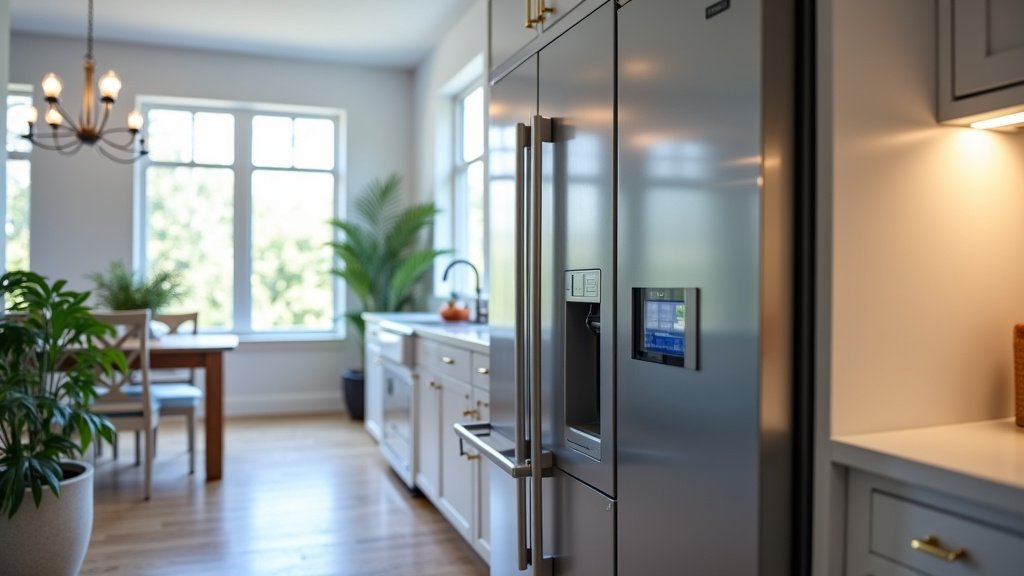
Your smart refrigerator’s lifespan is a tale of two parts: its reliable cooling core and its evolving smart features. While the fridge itself can cool for 10-15 years, its tech might feel outdated in 5-7 years. You can significantly extend its overall life with regular maintenance and smart usage habits. Prioritize cleaning, checking seals, and keeping software updated. Choose a brand known for durability and good software support. By doing this, you’ll ensure your investment stays functional and “smart” for as long as possible.
Frequently Asked Questions
Is it worth buying a smart refrigerator for longevity?
If you value the convenience of smart features, then yes. Be aware that the core refrigeration will last a long time. However, the advanced tech might become less useful or unsupported sooner than the cooling components. Consider if the smart features align with your long-term needs.
What’s the most common reason a smart fridge fails?
Just like traditional fridges, a common failure point is the compressor or issues with the sealed system. For smart features, software bugs, lack of updates, or connectivity problems are typical. Proper maintenance of both the mechanical and digital aspects is key.
Can I still use a smart refrigerator if its smart features stop working?
Absolutely. If the smart screen goes blank or the Wi-Fi stops connecting, your smart refrigerator will almost certainly continue to function as a regular refrigerator. The cooling system is separate from the smart technology. You simply lose the advanced functionalities you paid for.
Does a smart refrigerator use more electricity than a regular one?
Generally, the “smart” components themselves don’t add significantly to energy consumption. Most modern refrigerators, smart or not, are designed to be energy-efficient. The biggest factor for energy use is how well you maintain the cooling system and how often you open the doors.
Should I get an extended warranty for a smart refrigerator?
An extended warranty might be a good idea for a smart refrigerator. It can cover the potentially more complex and costly repairs associated with the integrated electronics and smart features, which typically aren’t part of a standard refrigerator repair. We found that this gives many owners peace of mind.

