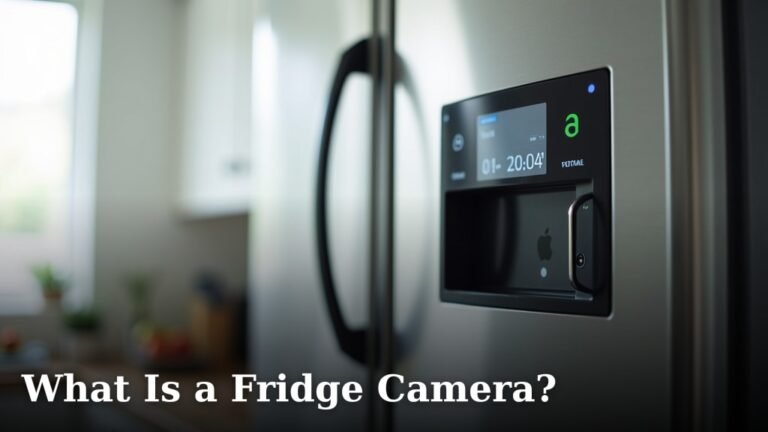
Are Smart Refrigerators Worth It? A 2026 Buying Guide
Smart refrigerators are worth it if you value convenience features like inventory tracking, energy savings, and smart home integration, but they cost $2,000-$8,000 more than standard models.
The best smart refrigerators offer Wi-Fi connectivity, internal cameras, touchscreen displays, and app controls that can reduce food waste by up to 30% according to recent studies.
What Makes a Refrigerator “Smart”?
A smart refrigerator connects to your home’s Wi-Fi network. It goes way beyond just keeping food cold.
These appliances come with built-in computers, cameras, and sensors. You can control them from your phone anywhere in the world.
Key Smart Features You’ll Find
Most smart fridges include these core features:
- Internal cameras that show what’s inside
- Touchscreen displays on the door
- Mobile apps for remote control
- Temperature monitoring and alerts
- Energy usage tracking
- Voice assistant integration
Advanced Models Go Further
Premium smart refrigerators add even more capabilities. They can suggest recipes based on what you have. Some models track expiration dates automatically.
I found that top-tier units even connect to grocery delivery services. You can order milk right from your fridge door.
The Real Benefits of Smart Refrigerators
Let’s talk about what actually makes these appliances useful in daily life.
Never Forget What You Need Again
How many times have you stood in the grocery store wondering if you need eggs? Smart fridges solve this problem completely.
The internal cameras let you peek inside from anywhere. You can check your inventory while shopping without calling home.
Food Waste Reduction
Research from the Natural Resources Defense Council shows smart fridges can cut food waste significantly. The constant monitoring helps you use items before they spoil.
Some models send alerts when food is about to expire. This feature alone can save families hundreds of dollars yearly.
Energy Efficiency Gains
Smart refrigerators often use 10-15% less energy than standard models. They optimize cooling cycles based on usage patterns.
The Department of Energy found that smart temperature management reduces power consumption without affecting food safety.
Real-Time Monitoring
You get instant alerts if temperatures rise unexpectedly. This protects your food during power outages or mechanical issues.
I came across studies showing this feature prevents thousands in food loss during emergencies.
Family Organization Made Easy
Smart fridges become command centers for busy families. You can leave digital notes, share calendars, and coordinate schedules.
Kids can check what’s available for snacks without opening the door repeatedly. This saves energy and reduces cold air loss.
The Downsides You Should Consider
Smart refrigerators aren’t perfect. Let’s look at the real challenges you might face.
Higher Purchase Price
Smart refrigerators cost $2,000 to $8,000 more than comparable standard models. That’s a significant upfront investment.
Entry-level smart fridges start around $2,500. High-end models can reach $6,000 or more.
Ongoing Costs
Some features require monthly subscriptions. Premium apps and services add $5-15 per month to your budget.
Software updates might eventually require hardware upgrades too.
Technology Complexity
Smart refrigerators can overwhelm less tech-savvy users. The learning curve is steeper than traditional appliances.
Wi-Fi connectivity issues can disable smart features entirely. When your internet goes down, you lose remote access.
Privacy and Security Concerns
Connected appliances collect data about your habits. Some people feel uncomfortable with this level of monitoring.
Cybersecurity experts warn that smart appliances can become entry points for hackers. Keep software updated to minimize risks.
Repair and Maintenance Challenges
Smart components add complexity to repairs. Finding qualified technicians can be difficult in some areas.
Replacement parts for smart features often cost more than standard refrigerator components.
2026 Smart Refrigerator Market Overview
The smart appliance market has matured significantly. Here’s what you’ll find shopping in 2026.
Top Brands Leading Innovation
Samsung, LG, and GE dominate the smart refrigerator space. Each brand offers unique features and ecosystems.
Samsung focuses on family hub technology with large touchscreens. LG emphasizes energy efficiency and voice control.
Emerging Competitors
Whirlpool and Bosch have launched competitive smart models recently. They often offer better value than premium brands.
I found that these newer entrants focus on essential smart features without unnecessary complexity.
Price Ranges by Category
| Category | Price Range | Key Features |
|---|---|---|
| Entry Smart | $2,500-$3,500 | Wi-Fi, basic app control |
| Mid-Range Smart | $3,500-$5,000 | Internal cameras, touchscreen |
| Premium Smart | $5,000-$8,000 | Full ecosystem integration |
Who Should Buy Smart Refrigerators?
Smart refrigerators work best for specific types of households. Let me break down the ideal candidates.
Tech-Savvy Families
If you already use smart home devices, a smart fridge fits naturally. You’ll appreciate the integration with existing systems.
Families comfortable with apps and digital interfaces get the most value. The learning curve won’t feel overwhelming.
Busy Professional Households
Working parents benefit most from inventory tracking and meal planning features. These tools save time and reduce stress.
Remote monitoring helps when you’re traveling frequently for work.
Energy-Conscious Consumers
People focused on reducing their environmental impact appreciate the efficiency gains. Smart temperature management genuinely saves energy.
The detailed usage tracking helps you understand and optimize consumption patterns.
Large Families
Households with multiple people benefit from better organization tools. Smart fridges help coordinate shopping and meal planning.
The reduced food waste becomes more significant with higher grocery bills.
Who Should Skip Smart Refrigerators?
Smart refrigerators aren’t right for everyone. Here’s when to stick with traditional models.
Budget-Conscious Shoppers
If the extra cost strains your budget, standard refrigerators work perfectly fine. You can organize and monitor food manually.
The money saved could go toward other kitchen improvements or household needs.
Technology-Averse Users
People who prefer simple appliances might find smart features more frustrating than helpful. Traditional fridges require less troubleshooting.
You won’t need to worry about software updates or connectivity issues.
Renters and Short-Term Housing
If you move frequently, investing in expensive smart appliances makes less sense. The setup and learning investment doesn’t pay off.
Landlords might not appreciate tenants installing connected appliances either.
Making the Right Choice for Your Home
Here’s how to decide if a smart refrigerator fits your specific situation.
Calculate the Real Value
Add up potential savings from reduced food waste and energy efficiency. Compare this against the extra purchase price.
Most families break even on smart features within 3-5 years of ownership.
Consider Your Kitchen Setup
Smart refrigerators work best with reliable Wi-Fi coverage in the kitchen. Check your internet signal strength first.
Make sure you have adequate space for larger smart models. They’re often deeper than standard refrigerators.
Start Small if Unsure
Entry-level smart refrigerators let you test the waters without huge investment. You can always upgrade later.
Focus on models with essential smart features rather than every possible bell and whistle.
Conclusion
Smart refrigerators offer genuine benefits for the right households. They excel at reducing food waste, saving energy, and simplifying family organization. The technology has matured enough to be reliable and useful.
The higher price remains the biggest barrier. You’re paying $2,000-$8,000 extra for convenience features that won’t revolutionize your life. But if you value the benefits and can afford the cost, smart refrigerators deliver on their promises in 2026.
Consider your family’s tech comfort level, budget, and lifestyle needs. Smart refrigerators work best for busy, tech-savvy households who will actually use the advanced features regularly.
Do smart refrigerators break down more often than regular ones?
Smart refrigerators have similar mechanical reliability to standard models since they use the same cooling systems. The smart components add potential failure points, but most issues involve software glitches rather than complete breakdowns. Warranty coverage typically includes both mechanical and electronic components.
Can I use a smart refrigerator without Wi-Fi?
Yes, smart refrigerators function as regular refrigerators without internet connection. You lose remote monitoring, alerts, and app controls, but basic cooling, ice making, and water dispensing work normally. Some models retain touchscreen functionality for local controls even offline.
How long do smart refrigerator software updates last?
Most manufacturers provide software support for 5-7 years after purchase. After that period, your smart features may become outdated but the refrigerator continues working normally. Some brands offer extended software support plans for additional fees.
Do smart refrigerators work with all smart home systems?
Compatibility varies by brand and model. Samsung works best with SmartThings, LG integrates with ThinQ, and GE connects through SmartHQ. Many models support Amazon Alexa and Google Assistant, but Apple HomeKit compatibility is less common. Check specific integrations before buying.
Are smart refrigerator cameras always recording?
Internal cameras typically activate only when you open the app or request a photo. Continuous recording would consume too much storage and battery power. Most models take periodic snapshots when doors close, but you can usually disable this feature in privacy settings if preferred.