
How Smart Refrigerators Work: Technology, Sensors, and Real World Benefits
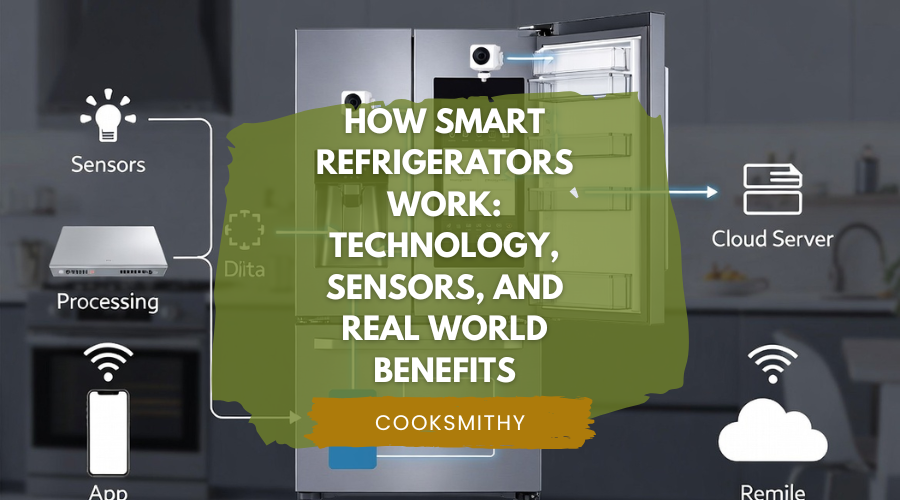
Smart refrigerators are built around advanced cooling systems and connected technology that work together to improve food storage and daily kitchen management. Understanding how these appliances actually work can help you decide whether the smart features provide real value for your home.
This article breaks down the core technologies behind smart refrigerators and explains how they impact everyday use.
Core Technology Behind Smart Refrigerators
At their foundation, smart refrigerators function like traditional premium refrigerators, but with additional layers of sensors, software, and connectivity.
Smart Sensors and Monitoring
Smart refrigerators use multiple sensors to monitor temperature, humidity, and door activity across different compartments. These sensors continuously adjust cooling output to maintain stable conditions, even when the refrigerator is opened frequently.
This helps protect sensitive foods such as fresh produce, dairy, and meats from temperature fluctuations.
Inverter Compressors and Adaptive Cooling
Many smart refrigerators use inverter compressors that adjust speed based on demand rather than cycling on and off. When combined with usage data from sensors, the system delivers cooling more efficiently and quietly.
Adaptive cooling can also reduce energy consumption during low usage periods.
Internal Cameras and Inventory Awareness
Some smart refrigerators include internal cameras that capture images when the door closes. These images can be accessed through a mobile app, allowing users to check fridge contents remotely.
While these systems do not automatically identify every item, they help improve grocery planning and reduce unnecessary purchases.
Software and Connectivity
Wi Fi connectivity allows the refrigerator to communicate with a companion app. Through the app, users can receive alerts, adjust temperature settings, run diagnostics, and access maintenance reminders.
Software updates may also improve performance or add features over time, depending on the manufacturer.
Everyday Benefits of Smart Refrigerator Technology
Smart features are most valuable when they improve daily routines rather than adding complexity.
Improved Food Freshness
Precise temperature and humidity control helps extend the freshness of fruits, vegetables, and leftovers. Consistent cooling reduces spoilage caused by uneven airflow or frequent door openings.
Reduced Food Waste
By making food more visible and easier to track, smart refrigerators can help households reduce forgotten or expired items. Alerts and reminders add an extra layer of awareness.
Convenience and Peace of Mind
Remote monitoring provides reassurance, especially during travel or busy schedules. Notifications about open doors or temperature changes can prevent food loss before it happens.
Energy Efficiency
Smart cooling systems often operate more efficiently than traditional designs. Over time, this can contribute to lower energy usage without sacrificing performance.
Limitations to Be Aware Of
Smart refrigerators are powerful appliances, but they are not perfect.
• Smart features depend on stable Wi Fi connections • Software quality varies between manufacturers • Repairs can be more complex than traditional models • Not all households will use every feature
Understanding these limitations helps set realistic expectations.
Who Benefits Most From Smart Refrigerators
Smart refrigerators tend to offer the most value for:
• Families managing large grocery volumes • Home cooks who rely on fresh ingredients • Tech focused households with other smart appliances • Buyers investing in long term kitchen upgrades
For users who prioritize simplicity above all else, a high quality traditional refrigerator may still be sufficient.
Final Thoughts
Smart refrigerators combine advanced cooling engineering with digital tools designed to support modern kitchens. When the technology aligns with your lifestyle and cooking habits, the benefits can extend beyond convenience to improved food management and efficiency.
Choosing a smart refrigerator should always start with cooling performance and reliability. Smart features should enhance that foundation, not replace it.
