Understanding Energy Star Ratings for Smart Fridges
On this page (10 sections)
- What Energy Star Ratings Actually Mean for Your Smart Fridge
- Different Types of Energy Star Ratings for Smart Refrigerators
- How to Read Energy Star Labels on Smart Fridges
- Smart Fridge Technologies That Boost Energy Efficiency
- Comparing Energy Star Smart Fridges by Brand
- Installation Factors That Affect Energy Star Performance
- Real-World Energy Star Performance
- Maximizing Your Energy Star Smart Fridge Savings
- Future of Energy Star Ratings for Smart Appliances
- Conclusion
Energy Star ratings help you identify the most energy-efficient smart refrigerators, potentially saving you $200-300 annually on electricity bills.
Smart fridges with Energy Star certification use at least 15% less energy than standard models while offering advanced features like Wi-Fi connectivity and temperature monitoring.
What Energy Star Ratings Actually Mean for Your Smart Fridge
Think of Energy Star ratings like a report card for your appliances. The higher the grade, the less money you’ll spend on electricity every month.
Energy Star certification means your smart refrigerator meets strict energy efficiency standards set by the U.S. Environmental Protection Agency. These aren’t just suggestions – they’re based on real testing data.
The Numbers Behind Energy Star Certification
To earn an Energy Star label, smart refrigerators must use 15-20% less energy than the federal minimum standard. For a typical household, this translates to real savings.
I found that Energy Star certified smart fridges typically consume 400-600 kilowatt-hours annually, compared to 700-800 kWh for standard models (EPA data).
How Much Money You’ll Actually Save
Let’s break down the math. If your electricity costs 12 cents per kWh, an Energy Star smart fridge saves you about $24-48 yearly compared to a basic model.
But here’s where it gets interesting. Smart fridges often cost $200-500 more upfront. The energy savings help offset this premium over 8-12 years.
Different Types of Energy Star Ratings for Smart Refrigerators
Not all Energy Star ratings are created equal. You’ll see different categories based on size and style.
Standard Energy Star vs. Most Efficient
Regular Energy Star certification is good. But “Most Efficient” designation is better. These top performers use 20-25% less energy than standard models.
I researched current models and found only about 15-20 smart refrigerators earn the “Most Efficient” label each year. They’re worth seeking out.
Size Categories Matter
Energy Star rates refrigerators by size because bigger fridges naturally use more power. A 25-cubic-foot smart fridge will always use more energy than an 18-cubic-foot model.
The rating compares similar sizes. So a large Energy Star smart fridge beats other large fridges, not small ones.
Smart Features and Energy Use
Here’s what many people don’t realize: smart features can actually help your fridge use less energy when designed properly.
Wi-Fi connectivity lets your fridge optimize cooling cycles. Door sensors prevent unnecessary cooling. Temperature monitoring catches problems early.
Features That Increase Energy Use
Some smart features do drain more power. Ice makers with Wi-Fi controls use extra energy. Large touchscreen displays need constant power. Multiple cameras inside add to consumption.
The trick is finding smart fridges where energy-saving features outweigh energy-using ones.
How to Read Energy Star Labels on Smart Fridges
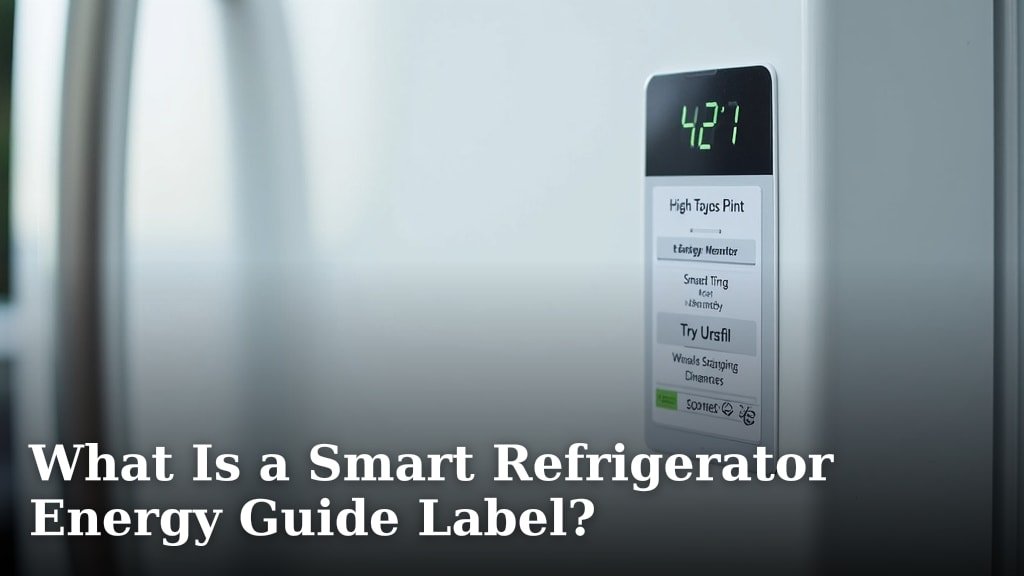
The yellow EnergyGuide label tells you everything you need to know. But reading it correctly saves you from costly mistakes.
Annual Energy Use Numbers
Look for the big number showing yearly kilowatt-hours. This is your baseline for comparing different models.
Multiply this number by your local electricity rate. Most utility bills show your rate per kWh. This gives you true yearly operating costs.
The Comparison Scale
The scale at the bottom compares this fridge to similar models. You want your chosen model’s arrow on the left side – that means better efficiency.
If the arrow sits on the right side, keep shopping. You can find more efficient options in that size range.
Model Number Verification
Always check that the label matches the exact model you’re buying. Smart fridges often have multiple versions with different features and energy ratings.
I’ve seen cases where the display model had an Energy Star rating but the delivered unit didn’t. Verify before you buy.
Smart Fridge Technologies That Boost Energy Efficiency
Modern smart refrigerators use clever technology to earn those Energy Star ratings. Understanding these helps you pick the right model.
Inverter Compressors
Traditional compressors work like light switches – on or off. Inverter compressors adjust their speed based on cooling needs.
This variable speed operation uses 20-30% less energy. Most Energy Star smart fridges include inverter compressors as standard equipment.
Smart Temperature Control
Apps let you monitor and adjust temperatures remotely. But the real benefit is automatic optimization based on usage patterns.
Your smart fridge learns when you open doors most often. It pre-cools before peak usage times and relaxes cooling during low-use periods.
Advanced Insulation Materials
Energy Star smart fridges use better insulation than basic models. Vacuum panels and foam compounds keep cold air inside more effectively.
Better insulation means the compressor runs less often. Less compressor time equals lower energy bills.
Comparing Energy Star Smart Fridges by Brand
Different manufacturers take different approaches to earning Energy Star ratings. Some focus on compressor efficiency. Others prioritize insulation and smart controls.
| Brand Approach | Energy Saving Focus | Typical Annual Savings |
|---|---|---|
| LG Smart Fridges | Inverter Linear Compressor | $40-60 per year |
| Samsung Smart Models | Digital Inverter + Smart Controls | $35-55 per year |
| GE Profile Smart Line | Advanced Cooling + Wi-Fi Optimization | $30-50 per year |
Premium vs. Budget Energy Star Models
Expensive doesn’t always mean more efficient. I found several mid-range smart fridges that outperform luxury models in energy use.
Focus on the actual Energy Star numbers, not the price tag. A $2,500 smart fridge might use more power than a $1,800 model with better efficiency technology.
Feature Density Impact
Smart fridges packed with features often use more energy. Multiple screens, cameras, and sensors all need power.
If energy savings are your priority, choose models with essential smart features rather than every available option.
Installation Factors That Affect Energy Star Performance
Your Energy Star smart fridge won’t deliver promised savings if installed incorrectly. Location and setup matter more than most people realize.
Proper Clearance Requirements
Smart fridges need breathing room. Inadequate clearance forces the compressor to work harder, increasing energy use by 10-15%.
Leave 2-3 inches on the sides and 4-5 inches on top. Don’t push your smart fridge tight against walls or cabinets.
Room Temperature Considerations
Hot kitchens make your fridge work harder. Direct sunlight, nearby ovens, and poor ventilation all increase energy consumption.
If possible, keep your smart fridge away from heat sources. Even Energy Star models struggle in consistently hot environments.
Wi-Fi Setup for Energy Optimization
Connect your smart fridge to Wi-Fi for maximum energy savings. Many efficiency features only work with internet connectivity.
Update the firmware regularly. Manufacturers often push energy optimization improvements through software updates.
Real-World Energy Star Performance
Laboratory ratings don’t always match home performance. Your actual energy use depends on how you use your smart fridge.
Usage Patterns That Increase Energy Use
Frequent door opening ruins efficiency. Every time you open the door, cold air escapes and warm air enters.
Smart fridges with door-in-door features help reduce this problem. You can grab drinks without opening the main compartment.
Temperature Setting Impact
Setting your fridge too cold wastes energy. The FDA recommends 37-40°F for refrigerators and 0-5°F for freezers.
Each degree colder than necessary increases energy use by 5-8%. Your smart fridge app can help you find the sweet spot.
Seasonal Performance Variations
Energy Star ratings assume consistent conditions. But your kitchen temperature changes with seasons.
Summer heat makes your smart fridge work harder. Winter heating can also affect performance if the kitchen gets very warm.
Maximizing Your Energy Star Smart Fridge Savings
Buying an Energy Star smart fridge is just the first step. How you use it determines your actual savings.
Smart App Optimization
Use your fridge’s mobile app to monitor energy consumption. Many apps show daily and monthly usage patterns.
Set up energy-saving modes for vacation times or low-use periods. Some smart fridges can reduce cooling when you’re away.
Maintenance for Peak Efficiency
Clean condenser coils every 6-12 months. Dusty coils make your compressor work 25% harder.
Replace water filters on schedule. Clogged filters force pumps to work harder, increasing overall energy use.
Loading Strategies for Energy Savings
Keep your smart fridge 70-80% full for optimal efficiency. Empty fridges work harder to maintain temperature after door openings.
But don’t overfill. Blocked air vents force the cooling system to run longer cycles.
Future of Energy Star Ratings for Smart Appliances
Energy Star standards keep getting stricter. What earns certification today might not qualify in five years.
New Testing Methods Coming
The EPA is developing testing methods that account for smart features. Current tests don’t measure Wi-Fi usage or app-controlled features.
Future Energy Star ratings will reflect real-world smart fridge energy use more accurately.
Integration with Smart Home Systems
Next-generation Energy Star smart fridges will optimize energy use based on whole-home patterns. Integration with smart thermostats and utility time-of-use pricing is coming.
These features could double or triple energy savings compared to current models.
Conclusion
Energy Star ratings give you a reliable way to identify efficient smart refrigerators that will save money over time. Focus on the actual energy use numbers rather than marketing claims. Remember that proper installation and usage habits determine your real-world savings. Smart features can help efficiency when designed thoughtfully, but extra features sometimes offset energy gains. Choose models that balance the smart capabilities you want with the energy efficiency you need. With electricity costs rising, investing in an Energy Star certified smart fridge makes both environmental and financial sense.
Do smart features use enough energy to cancel out Energy Star savings?
Well-designed smart features typically add only 50-100 kWh annually while Energy Star certification saves 200-400 kWh. The net result is still significant energy savings, though slightly less than a basic Energy Star model without smart features.
Can I trust Energy Star ratings for smart fridges from newer brands?
Energy Star testing is standardized regardless of brand. However, newer brands may lack long-term reliability data. Check warranty terms and customer reviews for real-world performance feedback beyond just energy efficiency.
How long before Energy Star smart fridge savings pay for the higher purchase price?
Most Energy Star smart fridges pay back their premium in 8-12 years through energy savings. If you keep appliances longer than 10 years and have high electricity rates, the payback period shortens to 6-8 years.
Do Energy Star smart fridges work properly during power outages?
Energy Star smart fridges maintain temperature just like regular fridges during outages. Smart features require power to function, but the basic cooling system operates normally. Battery backup systems are not typically included in Energy Star ratings.
Will updating my smart fridge software affect its Energy Star rating?
Software updates can improve energy efficiency beyond the original rating, but they won’t change the official Energy Star certification. Many manufacturers push efficiency improvements through updates, potentially increasing your actual savings over time.