French Door vs Side-by-Side: Best Fridge Comparison
On this page (11 sections)
French door refrigerators offer better accessibility and energy efficiency, while side-by-side models provide more freezer space and narrower door swings for tight kitchens.
Your choice depends on cooking habits, kitchen layout, and family size – French door works best for fresh food lovers, side-by-side suits frozen food fans.
What Makes French Door Different
Picture this: you open two doors at eye level and see all your fresh food spread out like a grocery store display. That’s the French door advantage.
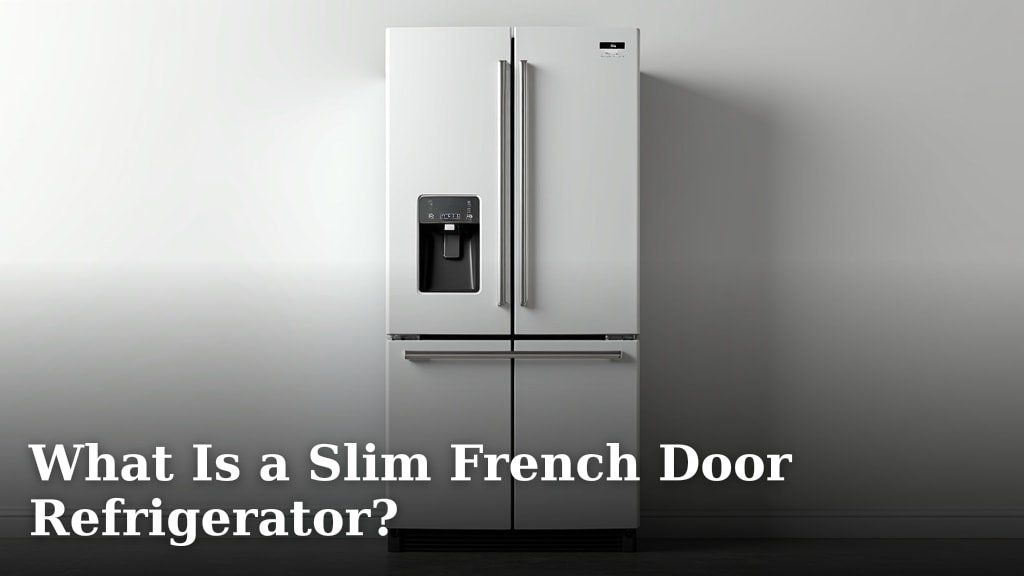
French door fridges have two narrow doors on top for the refrigerator section. The freezer sits below in a pull-out drawer. This design puts your most-used items right where you can see them.
French Door Layout Benefits
You’ll love how easy it becomes to organize your fresh food. Wide shelves hold party platters, pizza boxes, and large containers without playing Tetris.
The bottom freezer means less bending for everyday items. Research shows most people open the fridge section 80% more than the freezer (Energy Star).
Storage Flexibility
French doors give you the widest refrigerator shelves available. You can fit a full-size turkey or large birthday cake without removing shelves.
Adjustable shelves slide and fold to create custom spaces. Many models have deli drawers and humidity-controlled crispers that keep vegetables fresh longer.
Side-by-Side Design Advantages
Now imagine your fridge and freezer standing side by side like two tall, narrow columns. Everything lives at eye level, from ice cream to fresh vegetables.
Side-by-side models split the appliance vertically. The freezer typically takes up the left side, while the refrigerator occupies the right.
Easy Access to Both Sections
You never have to bend down to reach frozen foods. Ice and water dispensers sit right at hand level.
This design works great if you use frozen foods often. You can see your entire freezer inventory without digging through drawers.
Narrow Door Swing
Here’s where side-by-side really shines: tight kitchen spaces. Each door only swings about 15 inches, compared to 24-30 inches for French doors.
You can place a side-by-side fridge near walls, islands, or in galley kitchens without blocking walkways.
Energy Efficiency Comparison
French door models typically use 10-15% less energy than side-by-side refrigerators. Why? Cold air doesn’t escape as easily.
When you open one French door, you’re only opening half the refrigerator section. Cold air stays trapped behind the closed door.
Temperature Control Differences
Side-by-side models work harder to maintain consistent temperatures. The tall, narrow compartments create more temperature zones.
French door designs maintain more even cooling. The wider spaces allow better air circulation throughout each section.
Storage Capacity Reality Check
Don’t let the specs fool you. Two fridges with the same cubic footage can feel completely different inside.
| Feature | French Door | Side-by-Side |
|---|---|---|
| Wide Items | Excellent | Limited |
| Freezer Space | Moderate | Large |
| Fresh Food Access | Eye Level | Eye Level |
| Organization | Flexible | Structured |
French Door Storage Reality
You get amazing fresh food storage but limited freezer space. The bottom drawer restricts tall frozen items like pizza boxes.
Most French door freezers measure only 5-7 cubic feet. That’s fine for ice cream and frozen vegetables, but tough for bulk shopping.
Side-by-Side Storage Truth
You get tons of freezer space – often 8-10 cubic feet. Perfect for families who buy frozen foods in bulk.
But forget about storing wide fresh items. That large pizza or party tray won’t fit through the narrow refrigerator section.
Price and Value Analysis
Side-by-side models typically cost $200-500 less than comparable French door units. You’re paying extra for the French door convenience and style.
French door fridges hold their value better for resale. Home buyers often see them as more premium and modern.
Long-Term Costs
French door models save money on electricity bills. The energy savings add up to $20-40 annually.
Side-by-side units might need more repairs. The ice and water dispensers break down more often than simple French door systems.
Kitchen Space Considerations
Measure your kitchen carefully before deciding. Door swing makes a huge difference in daily use.
French Door Space Needs
You need about 36 inches of clearance in front for comfortable door opening. The wide doors swing out like cabinet doors.
French doors work best in open kitchens with islands or plenty of floor space.
Side-by-Side Space Benefits
These work in almost any kitchen layout. The narrow doors need only 18-20 inches of clearance.
Perfect for galley kitchens, apartments, or anywhere space feels tight.
Family Size and Cooking Habits
Think about how your family actually uses the refrigerator. Do you cook fresh meals daily or rely on frozen convenience foods?
French Door Families
Great for families who:
- Cook with fresh ingredients often
- Entertain and need wide storage
- Want easy access to everyday items
- Don’t buy frozen foods in bulk
Side-by-Side Families
Perfect for families who:
- Use lots of frozen foods
- Want organized, visible storage
- Have limited kitchen space
- Like easy access to ice and water
Maintenance and Reliability
I researched appliance repair data and found interesting patterns between these two styles.
French door models have fewer moving parts in the door mechanism. The simple hinge design rarely needs repair.
Common French Door Issues
The bottom freezer drawer can stick or break if overloaded. The drawer slides need occasional cleaning and adjustment.
Door seals sometimes warp on models with very wide doors. This affects energy efficiency over time.
Side-by-Side Repair Needs
Ice makers and water dispensers cause most service calls. These complex systems need regular filter changes and maintenance.
The tall, narrow design can strain the compressor in some models. Temperature control becomes less precise as the unit ages.
Smart Features and Technology
Both styles now come with similar smart features, but the layout affects how you use them.
French door models often put controls and displays on the left door at eye level. Side-by-side units typically place them on the freezer door.
Popular Smart Features
- Wi-Fi connectivity for remote monitoring
- Internal cameras to see contents remotely
- Touch screens for family calendars and notes
- Voice control integration
- Energy usage tracking
Making Your Final Decision
Choose French door if you prioritize fresh food storage, have adequate kitchen space, and want energy efficiency. The convenience factor makes daily cooking more enjoyable.
Pick side-by-side if you use lots of frozen foods, have limited space, or prefer organized vertical storage. The lower price point also helps your budget.
Test Before You Buy
Visit showrooms and open both styles several times. Notice how the doors feel and where your eyes naturally look for items.
Bring measurements of your largest items – turkey roasting pans, pizza boxes, or party platters. Make sure they actually fit.
Conclusion
Both French door and side-by-side refrigerators serve different lifestyles well. French door excels at fresh food storage and energy efficiency, while side-by-side offers better freezer access and works in tighter spaces. Your kitchen layout, cooking habits, and family needs should guide this important decision. Take time to measure your space and consider how you actually use your current refrigerator. The right choice will serve your family well for the next 10-15 years.
Which style is better for small kitchens?
Side-by-side refrigerators work better in small kitchens because their narrow doors need less clearance space. French doors require about 36 inches of swing room, while side-by-side doors only need 18-20 inches.
Do French door fridges really save energy?
Yes, French door models typically use 10-15% less energy than side-by-side units. When you open one door, cold air stays trapped behind the closed door, reducing energy waste during frequent daily access.
Which type has more freezer storage?
Side-by-side refrigerators offer significantly more freezer space, usually 8-10 cubic feet compared to 5-7 cubic feet in French door models. The vertical freezer design also accommodates tall items better than bottom drawer freezers.
Are French door refrigerators worth the extra cost?
French door models cost $200-500 more upfront but save money through lower energy bills and better resale value. They’re worth it if you prioritize fresh food storage and have adequate kitchen space for the wider doors.
Which style lasts longer without repairs?
French door refrigerators generally need fewer repairs because they have simpler door mechanisms and fewer complex features like built-in ice dispensers. Side-by-side models require more maintenance due to their ice makers and water systems.