Standard Smart Fridge Dimensions: Size Guide for Buyers
On this page (9 sections)
Standard smart fridge dimensions range from 24-36 inches wide, 28-34 inches deep, and 67-70 inches tall, with counter-depth models typically measuring 24-25 inches deep.
Most smart refrigerators follow standard sizing, but you’ll need to measure your kitchen space carefully since smart features can add bulk to traditional measurements.
Quick Size Reference for Smart Refrigerators
Smart fridges come in the same basic sizes as regular refrigerators. But here’s what you need to know right away.
The “smart” part doesn’t usually change the outside dimensions much. You’re looking at the same footprint as traditional models. The electronics are built into the existing frame.
Standard Width Measurements
Most smart fridges fit into these width categories:
- Compact models: 24 inches wide
- Standard models: 30-33 inches wide
- Large models: 36 inches wide
- Extra-large models: 42-48 inches wide
The 33-36 inch range is most popular. That’s what fits in most American kitchens without major renovations.
Depth Considerations
Depth is where smart fridges can surprise you. Two main types exist:
Standard depth runs 28-34 inches. These stick out past your counters by about 6-10 inches. They hold more food but look bulky.
Counter-depth models measure 24-25 inches deep. They line up with your counters for a built-in look. You lose some storage space but gain style points.
Height Variations
Most smart fridges stand 67-70 inches tall. That’s about 5.5 to 6 feet. Some compact models drop to 60 inches.
Check your ceiling height and any overhead cabinets. You need at least 1 inch of clearance on top for ventilation.
Smart Fridge Types and Their Sizes
Different smart fridge styles come with different size constraints. Let me break down what you’ll find.
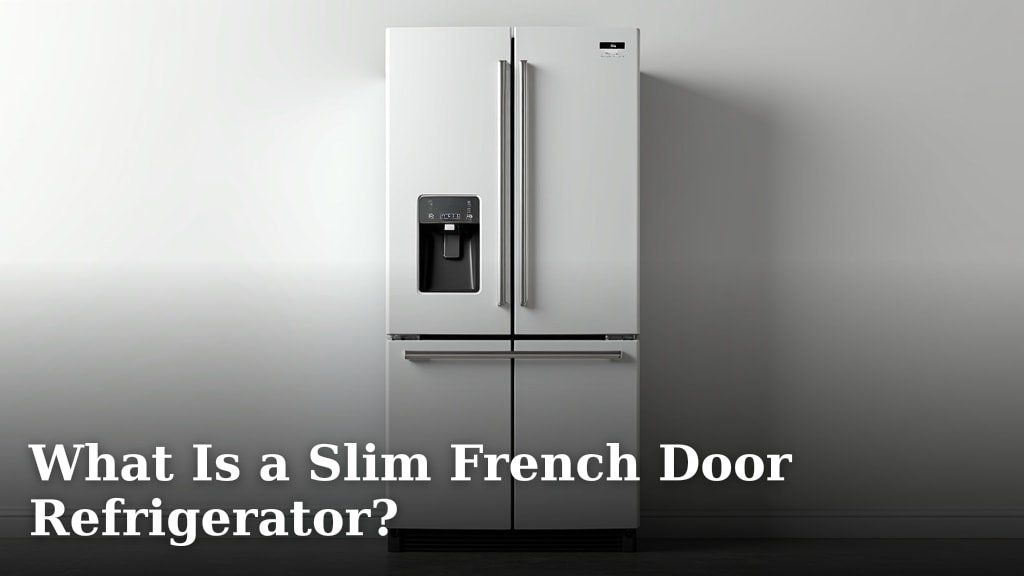
French Door Smart Refrigerators
These are the most popular smart fridges. Two doors on top, freezer drawer below.
Typical dimensions run 30-36 inches wide, 29-34 inches deep, and 68-70 inches tall. The wide doors need swing space, so plan for that.
French door models often pack the most smart features. Touch screens, cameras, Wi-Fi connectivity – they fit it all in the door panels.
Space Planning for French Doors
Each door needs about 24 inches of swing space. In tight kitchens, this matters more than the fridge width itself.
Measure from your fridge location to the nearest wall or island. Can both doors open fully? If not, consider a different style.
Side-by-Side Smart Models
Freezer on one side, fridge on the other. Usually 32-36 inches wide, 28-31 inches deep, 67-70 inches tall.
The narrow doors work great in tight spaces. Each door only needs 12-15 inches of swing room.
Smart features usually go in the freezer door. Ice and water dispensers take up the fridge door space.
Top Freezer Smart Refrigerators
Less common in smart versions, but they exist. Typically 28-33 inches wide, 28-32 inches deep, 61-66 inches tall.
These cost less and fit in smaller spaces. The smart features are more basic – usually just connectivity and temperature alerts.
Bottom Freezer Smart Models
Fridge on top, freezer drawer below. Similar to French door but with one large fridge door.
Dimensions match French door models: 30-36 inches wide, 29-34 inches deep, 68-70 inches tall.
Measuring Your Kitchen Space
Getting the measurements wrong costs time and money. Here’s how to measure like a pro.
Width Measurements
Measure the width of your fridge opening in three spots: top, middle, and bottom. Use the smallest measurement.
Old houses settle. Floors shift. What looks straight might not be. The smallest measurement keeps your new fridge from getting stuck halfway in.
Adding Wiggle Room
Buy a fridge that’s 1-2 inches narrower than your opening. This gives you room to maneuver during delivery and installation.
Smart fridges are heavy – often 250-400 pounds. That extra space makes installation much easier.
Depth Planning
Measure from your back wall to the front of your counters. Then decide: do you want your fridge to stick out or line up?
Standard depth fridges hold more food. Counter-depth models look cleaner but cost more per cubic foot of storage.
Door Swing Space
This trips up many buyers. Measure how much space you have for doors to open fully.
Smart fridges often have thick doors packed with electronics. They need the same swing space as regular fridges, but the doors might be heavier.
Height Considerations
Measure from floor to ceiling. Then subtract 1 inch for ventilation clearance.
Check for overhead cabinets too. Some kitchens have a cabinet above the fridge space that limits height options.
Capacity vs Size Trade-offs
Bigger isn’t always better when it comes to smart fridges. Let me explain the trade-offs.
Counter-Depth Reality Check
Counter-depth smart fridges look amazing. But you lose 2-4 cubic feet of storage compared to standard depth models.
For a family of four, that’s like losing a week’s worth of groceries. Make sure you can live with less storage space.
Smart Features Take Space
Those cool smart features use interior space. Door cameras, water dispensers, and thick insulated smart doors all reduce storage.
I found that some smart fridges have 10-15% less usable space than basic models of the same outside dimensions.
Where the Space Goes
Door dispensers eat up door storage. Internal cameras need mounting space. Wi-Fi modules and processors take room somewhere.
Check the interior layout before buying. Some smart fridges sacrifice shelf space for technology.
Installation Considerations
Smart fridges need more than just physical space. They have special requirements.
Electrical Needs
Most smart fridges plug into standard outlets. But some high-end models need dedicated circuits.
Check the electrical requirements before you buy. Running new electrical lines costs $200-500 on top of your fridge purchase.
Wi-Fi Signal Strength
Your smart fridge needs good Wi-Fi to work properly. Kitchen locations can be tricky for wireless signals.
Test your Wi-Fi strength where the fridge will sit. Weak signals mean features won’t work reliably.
Network Requirements
Smart fridges use about 1-2 GB of data per month. That includes software updates, remote monitoring, and smart features.
Make sure your internet plan can handle the extra usage without overage fees.
Popular Smart Fridge Dimensions by Brand
Different brands have slightly different sizing approaches. Here’s what I found from major manufacturers.
| Brand Type | Width Range | Depth Range | Height Range |
|---|---|---|---|
| Samsung Smart | 29.5-35.75″ | 28.25-34.25″ | 68.75-70″ |
| LG Smart | 29.75-35.75″ | 28.25-33.25″ | 68.75-69.75″ |
| GE Smart | 32.75-35.75″ | 28.25-31.25″ | 69.875-70″ |
| Whirlpool Smart | 29.5-35.625″ | 28.375-34.625″ | 68.625-69.875″ |
Samsung Sizing Notes
Samsung makes some of the largest smart fridges. Their Family Hub models tend to run deeper than competitors.
The 4-door Flex models can be especially deep – up to 34.25 inches. Check your kitchen depth carefully with Samsung models.
LG Dimension Patterns
LG smart fridges tend to be slightly more compact. Their InstaView models are usually good choices for tighter spaces.
Counter-depth LG models are particularly space-efficient while keeping most smart features.
Special Considerations for Small Kitchens
Got a small kitchen? Smart fridges can still work, but you need to be picky.
Apartment-Sized Smart Options
A few brands make compact smart fridges. These run 24-28 inches wide and offer basic smart features.
You won’t get all the bells and whistles of full-size models. But you can still get Wi-Fi connectivity and basic app control.
Feature Priorities in Small Spaces
In tight kitchens, prioritize the smart features you’ll actually use. Do you really need a door camera? Or would you rather have more storage space?
Basic connectivity and temperature monitoring might be enough. Save the fancy features for when you have more kitchen space.
Future-Proofing Your Size Choice
Smart fridges last 10-15 years. Your needs might change during that time.
Family Size Changes
Buying for two people now? You might have kids later. Consider going slightly larger than your current needs suggest.
The cost difference between 25 and 28 cubic feet is often small. But the storage difference is significant.
Smart Feature Evolution
Smart fridge features keep improving. Future models might need more internal space for new technology.
Buying a slightly larger model now gives you room for feature upgrades and changing needs.
Conclusion
Smart fridge dimensions follow standard refrigerator sizing, but you need to account for door swing space, electrical requirements, and Wi-Fi connectivity. Most models range from 30-36 inches wide, with counter-depth options measuring 24-25 inches deep for a built-in look.
Measure your space carefully, consider your storage needs, and remember that smart features can reduce interior capacity slightly. The right size smart fridge will serve your family well for years while fitting perfectly in your kitchen layout.
What’s the smallest smart refrigerator available?
The smallest smart fridges measure about 24 inches wide, 24 inches deep, and 60 inches tall. These compact models offer basic connectivity and app control but fewer advanced features like door cameras or large touch screens.
Do smart fridges require more clearance space than regular refrigerators?
Smart fridges need the same physical clearance as regular models – 1 inch on top and sides for ventilation. But you should ensure strong Wi-Fi signal coverage and easy access to electrical outlets for optimal smart feature performance.
Can I replace my old fridge with a smart fridge of the same size?
Usually yes, but measure carefully. Smart fridges sometimes have slightly different dimensions than older models, even in the same size category. The door thickness and handle designs can also vary, affecting swing space requirements.
Are counter-depth smart fridges worth the extra cost?
Counter-depth smart fridges cost 15-25% more per cubic foot of storage but create a seamless built-in appearance. They work best for design-focused kitchens where aesthetics matter more than maximum storage capacity.
How much space do I lose with smart features inside the refrigerator?
Smart features typically reduce usable storage by 5-15% compared to basic models. Door dispensers, internal cameras, and thicker insulated doors account for most of the space loss, but the exact amount varies by brand and feature set.