Built-In vs Freestanding Fridges: Premium Design Guide
On this page (10 sections)
Built-in fridges offer a seamless, custom look but cost more and require professional installation, while freestanding fridges provide flexibility and lower upfront costs with easier replacement options.
Your choice between built-in vs freestanding fridges depends on your budget, kitchen layout, and whether you prioritize integrated design or convenience.
Choosing the right refrigerator style can make or break your kitchen design. You’re investing thousands of dollars, so getting this decision right matters.
Let me walk you through everything you need to know about both options. I’ve researched the pros, cons, and real costs so you can make the best choice for your home.
What Makes Built-In Fridges Different
Built-in refrigerators sit flush with your cabinets. They’re designed to blend seamlessly into your kitchen design.
These units typically measure 24 inches deep, matching standard cabinet depth. Your fridge won’t stick out like a sore thumb anymore.
Custom Panel Integration
You can add custom panels that match your cabinets perfectly. This creates a unified look that screams high-end kitchen.
The refrigerator essentially disappears into your design. Many guests won’t even notice where your fridge is located.
Professional Installation Required
Built-ins need professional installation every time. You can’t just plug them in and push them into place.
Installation involves electrical work, sometimes plumbing, and cabinet modifications. Plan for at least half a day of work.
Freestanding Fridge Advantages
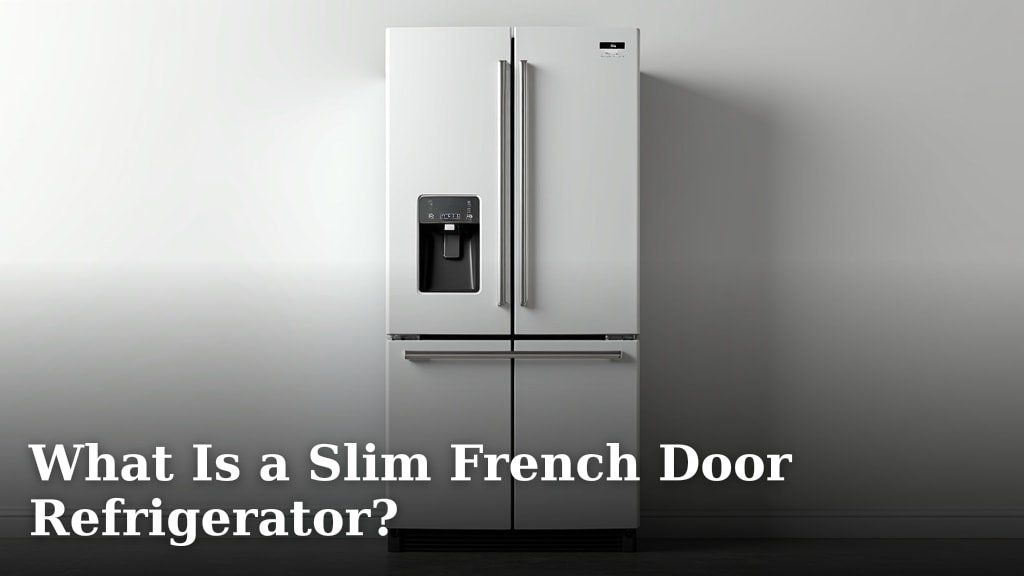
Freestanding refrigerators offer flexibility that built-ins simply can’t match. You can move them, replace them, and install them yourself.
Easy Replacement and Upgrades
When your freestanding fridge breaks down, you can swap it out quickly. No cabinet work needed.
Want to upgrade in five years? Just buy a new one and have it delivered. The old one goes out, new one comes in.
Lower Upfront Investment
Freestanding models cost significantly less upfront. You’ll save thousands compared to built-in options.
Installation costs are minimal too. Most delivery services will install for under $200.
More Size Options Available
Freestanding fridges come in every size imaginable. From compact 18-cubic-foot models to massive 30-cubic-foot units.
Built-ins have limited size options because they must fit standard cabinet openings.
Cost Comparison Breakdown
Money talks, and this decision involves serious cash. Let me break down what you’re really looking at.
| Cost Factor | Built-In | Freestanding |
|---|---|---|
| Appliance Cost | $5,000-$15,000 | $1,500-$4,000 |
| Installation | $500-$2,000 | $100-$300 |
| Cabinet Work | $1,000-$3,000 | $0 |
| Total Investment | $6,500-$20,000 | $1,600-$4,300 |
Hidden Costs to Consider
Built-ins often need cabinet modifications. Your existing opening might not fit standard built-in dimensions.
Electrical upgrades sometimes become necessary. Built-ins may require dedicated circuits that your kitchen doesn’t have.
Long-Term Value Impact
Built-in fridges typically add more value to your home. Real estate experts often mention them as premium features.
But remember, you might not recoup the full investment when selling. Kitchen trends change over time.
Design and Aesthetic Differences
Your kitchen’s look changes dramatically based on your fridge choice. This isn’t just about function anymore.
Built-In Design Benefits
Built-ins create clean, unbroken sight lines. Your kitchen feels larger and more organized.
Custom panels make your fridge invisible. The entire kitchen flows together like one cohesive design.
Counter Depth Advantages
Built-ins don’t stick out past your counters. You gain walking space and improve traffic flow.
Food prep becomes easier when you’re not dodging a protruding refrigerator door.
Freestanding Style Options
Freestanding models come in more finishes and styles. Stainless steel, black stainless, white, and even bold colors.
You can make your fridge a statement piece instead of hiding it. Some people prefer this approach.
Flexibility for Future Changes
Freestanding units adapt to kitchen remodels easily. Move them to different walls or even different rooms.
Built-ins lock you into your current layout. Changes become expensive and complicated.
Storage and Capacity Considerations
Here’s where things get tricky. Built-ins often provide less storage space than freestanding models.
Built-In Storage Limitations
Counter-depth design means less depth for storage. You lose several inches of space compared to standard depth.
A 36-inch built-in typically holds 20-22 cubic feet. A similar freestanding model holds 25-28 cubic feet.
Smart Storage Solutions
Built-in manufacturers compensate with better organization systems. Adjustable shelves, specialized drawers, and smart layouts.
You might find the space more usable even though there’s less total volume.
Freestanding Capacity Advantages
Standard depth gives you maximum storage space. Perfect for large families or people who buy in bulk.
You’ll find more freezer space in freestanding models too. Bottom freezers especially offer generous capacity.
Installation and Maintenance Factors
Think beyond the purchase price. How will you maintain and service each type?
Built-In Service Challenges
Repairs become more complicated with built-ins. Technicians need access from multiple sides.
Some repairs require partial cabinet removal. This adds time and cost to service calls.
Ventilation Requirements
Built-ins need proper ventilation planning. Poor airflow leads to overheating and premature failure.
Your installer must leave correct spacing around the unit. This isn’t negotiable for proper operation.
Freestanding Maintenance Benefits
Service technicians love working on freestanding units. Easy access means faster, cheaper repairs.
You can pull the unit out for deep cleaning behind and underneath. Built-ins make this nearly impossible.
Which Option Fits Your Lifestyle
Your daily habits should drive this decision more than anything else.
Built-Ins Work Best When
- You’re planning a full kitchen remodel
- Budget allows for the premium investment
- You prioritize seamless design over storage space
- This is likely your forever home
- You entertain frequently and want the wow factor
Freestanding Makes Sense When
- You need maximum storage capacity
- Budget is a primary concern
- You might move within 10 years
- Your kitchen layout works well as-is
- You prefer easy appliance replacement
Family Size Considerations
Large families usually need freestanding fridges. The extra storage space becomes essential for daily life.
Small households can thrive with built-in storage limitations. Quality matters more than quantity.
Energy Efficiency Comparison
Both styles offer energy-efficient options, but there are differences to consider.
Built-In Efficiency Features
Premium built-ins often include advanced efficiency features. Variable speed compressors and smart sensors become standard.
Better insulation helps offset the ventilation requirements. Many models exceed Energy Star guidelines.
Freestanding Efficiency Options
You’ll find efficient freestanding models at every price point. Competition drives innovation across all segments.
Larger capacity doesn’t always mean higher energy use. Modern technology makes big fridges surprisingly efficient.
Making Your Final Decision
Start with your budget and work backward. If built-ins fit comfortably, consider your design goals next.
Think about how long you’ll stay in this home. Built-ins make sense for long-term residents.
Consider your storage needs honestly. Will counter-depth capacity handle your family’s food storage?
Conclusion
Choosing between built-in vs freestanding fridges comes down to your priorities and budget. Built-ins deliver unmatched design integration and add serious wow factor to your kitchen, but they require significant investment and professional installation.
Freestanding models give you flexibility, lower costs, and maximum storage capacity. They’re perfect when you need practical solutions over premium aesthetics.
Consider your family size, budget, and long-term plans. Either choice can work beautifully when it matches your specific needs and lifestyle.
Do built-in refrigerators last longer than freestanding models?
Built-in and freestanding refrigerators have similar lifespans of 15-20 years when properly maintained. The main difference is repair complexity, not durability. Built-ins often use premium components, but freestanding units are easier to service, which can extend their practical lifespan.
Can you convert a freestanding fridge space to built-in later?
Yes, but it requires significant cabinet work and potential electrical upgrades. You’ll need to modify the opening, add proper ventilation, and possibly install new electrical circuits. The conversion typically costs $2,000-$5,000 beyond the appliance price.
What happens if a built-in refrigerator breaks and needs replacement?
Replacing a built-in requires finding a unit with identical dimensions or modifying your cabinets. This process takes longer and costs more than replacing freestanding models. Many homeowners keep the same brand and model family to ensure proper fit.
Are there size limitations for built-in refrigerators?
Built-in refrigerators come in standard widths of 30, 36, 42, and 48 inches to match cabinet dimensions. Height and depth are also standardized. This limits your options compared to freestanding models, which offer more varied sizing.
Do built-in fridges require special electrical connections?
Most built-in refrigerators use standard 115V electrical connections, same as freestanding models. Some larger built-ins may need dedicated 20-amp circuits. The main difference is hardwiring requirements and proper GFCI protection, which your installer will handle during setup.