Can You Use a Water Filter Past Its Replacement Date?
On this page (5 sections)
No, you generally should not use a water filter past its replacement date. While it might seem harmless to push it a little longer, doing so can actually harm your health and lead to less effective filtration.
Your water filter has a finite lifespan, much like a carton of milk. Once its time is up, it can become a breeding ground for bacteria. This means the water coming out might be worse than what went in. It’s a common mistake to think filters last forever.
TL;DR:
- Don’t use water filters past their replacement date.
- Filters become ineffective and can breed bacteria.
- Using an old filter can make your water quality worse.
- Check your filter’s manual for the correct replacement schedule. Check your filter’s manual for the correct replacement schedule.
Let’s walk through exactly why this is and what you need to know about keeping your water safe and clean.
What Happens When You Don’t Replace Your Water Filter?
Using a water filter past its recommended replacement date is a common shortcut. Many people wonder if it’s really a big deal. The short answer is: yes, it can be a very big deal for your health and the quality of your drinking water.
Your filter isn’t designed to work forever. It has a job to do, and that job eventually wears it out. Think of it like the sponge in your kitchen. It starts out great, but over time, it gets dirty and less effective. Your water filter is similar.
The Filter’s Job: More Than Just Taste
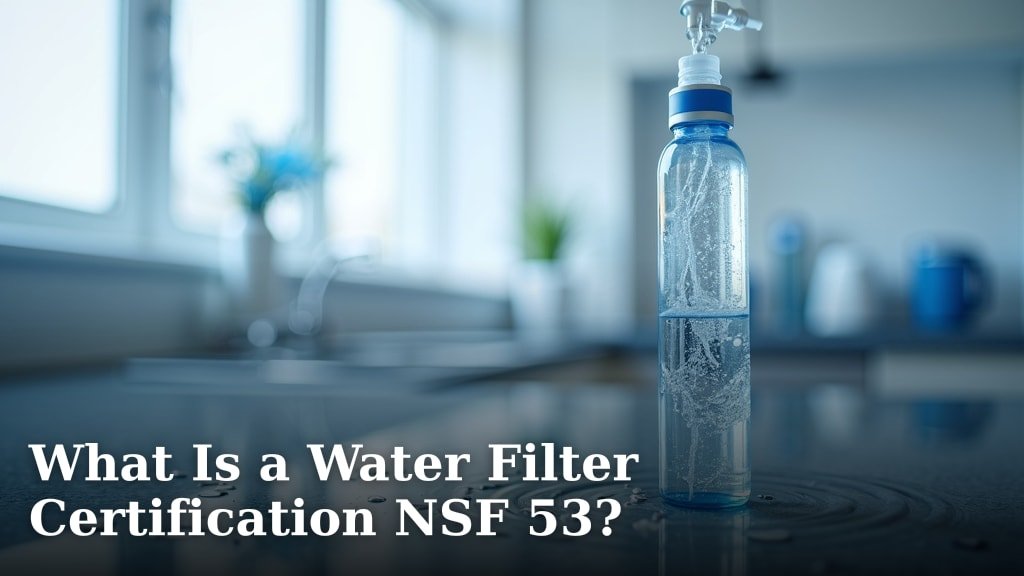
Water filters do more than just make your water taste better. They are designed to remove contaminants. These can include things like chlorine, lead, sediment, and even certain bacteria. Different filters target different contaminants.
The filter media inside your pitcher, faucet attachment, or refrigerator dispenser acts like a sieve. It has tiny pores that trap particles. For activated carbon filters, a chemical process also helps attract and hold onto impurities. This is a physical and chemical process that has limits.
Contaminant Clogging: The Filter Fills Up
As the filter does its work, those tiny pores get clogged. Imagine trying to pour water through a drain that’s full of hair. It slows down, right? Your water filter works the same way. The more it filters, the more stuff it holds.
Eventually, the filter gets so full that it can’t trap new contaminants effectively. This means impurities that were supposed to be removed can now pass right through. Your water quality starts to decrease, not increase.
Breakthrough and Saturation: When It’s Too Late
We found that once a filter reaches its capacity, a phenomenon called “breakthrough” can occur. This is when the filter’s ability to hold contaminants is overwhelmed. The filter is saturated. At this point, the harmful substances it was meant to catch can begin to leak back into your water.
This is a concerning development. You might think you’re drinking clean water, but you could be consuming higher levels of contaminants than you would have from unfiltered tap water. That’s definitely not what you want.
The Germ Factor: Bacteria Love Old Filters
This is one of the most alarming consequences of using an expired filter. Filter media, especially the organic materials in activated carbon filters, can become a breeding ground for bacteria. Yes, you read that right. Your filter could be making your water dirtier.
Think about the dark, damp environment inside a used water filter. It’s an ideal spot for microscopic life to thrive. As bacteria multiply, they can colonize the filter material. Then, when water passes through, it can pick up these bacteria.
Biofilm Formation: A Slimy Problem
Experts say that over time, a biofilm can form within the filter. This is a slimy layer of microorganisms. It’s not just about bacteria; other microbes can join the party too. This biofilm can release bacteria into your water.
The Centers for Disease Control and Prevention (CDC) has warned about the potential for microbial growth in water systems, including filters, if not properly maintained. This is a serious health risk. You might be introducing harmful germs into your drinking water.
Health Risks: What Could Happen?
Consuming water contaminated with bacteria can lead to various health issues. These often include gastrointestinal problems. Symptoms can range from upset stomachs and diarrhea to more severe infections, especially for vulnerable populations like young children or the elderly.
While most tap water in developed countries is treated to kill harmful bacteria, the filtration process itself can reintroduce them if the filter is old and contaminated. It’s a turn of events nobody wants. Your intention is to improve water quality, not degrade it.
Understanding Your Filter’s Lifespan
So, how do you know when it’s time to swap out your filter? It’s not guesswork. Manufacturers provide clear guidelines based on two main factors: time and volume.
Time-Based Replacement: The Calendar Reminder
Most water filters are rated for a specific period. This is usually stated in months. Common recommendations are every 2 to 6 months. For example, many pitcher filters need replacing every 40 gallons or 2 months, whichever comes first.
This time limit accounts for the general accumulation of contaminants and the potential for bacterial growth. Even if you haven’t used a lot of water, the filter media can still degrade. Bacteria can also start to colonize over time.
Volume-Based Replacement: The Gallon Counter
Some filters, especially those in refrigerator water dispensers or whole-house systems, are rated by the volume of water they can filter. This is typically measured in gallons. You might see a rating like “300 gallons” or “1,000 gallons.”
This metric is based on how much water the filter media can physically hold before becoming saturated. Once you’ve filtered that many gallons, the filter has reached its capacity for removing those specific contaminants.
“Whichever Comes First”: The Golden Rule
You’ll often see a phrase like “replace every 6 months or 300 gallons, whichever comes first.” This is the most important guideline to follow. It covers both scenarios: if you use a lot of water quickly, or if you use water slowly over a long period.
If you hit the gallon limit before the time limit, replace the filter. If the time limit passes before you hit the gallon limit, replace the filter. This ensures you’re always getting the best performance and safest water. It’s a simple rule that protects you.
How to Track Your Filter’s Life
Keeping track can sometimes feel like a chore. Fortunately, there are several easy ways to manage it. Many filter systems come with built-in indicators.
Filter Indicator Lights and Dials
Some refrigerator water filters have electronic indicators. These often change color or blink when it’s time for a replacement. Many pour-through pitchers have simple dials you can turn to mark the month you installed the filter. You just twist it to the current month.
These are helpful visual cues. They serve as a constant reminder. However, remember that these indicators are often time-based. They might not account for unusual water usage or very hard water conditions that could clog the filter faster.
Your Filter’s Manual and Smartphone Apps
Always check the manual that came with your filter system. It will tell you the exact recommended replacement schedule for your specific model. Some manufacturers also offer mobile apps. You can connect your filter system to these apps, and they will send you reminders.
If you don’t have a digital reminder, a simple pencil mark on the filter packaging or a note in your phone’s calendar can work wonders. Consistency is key here. We want to make this easy for you.
What If You Forget? A Checklist to Get Back on Track
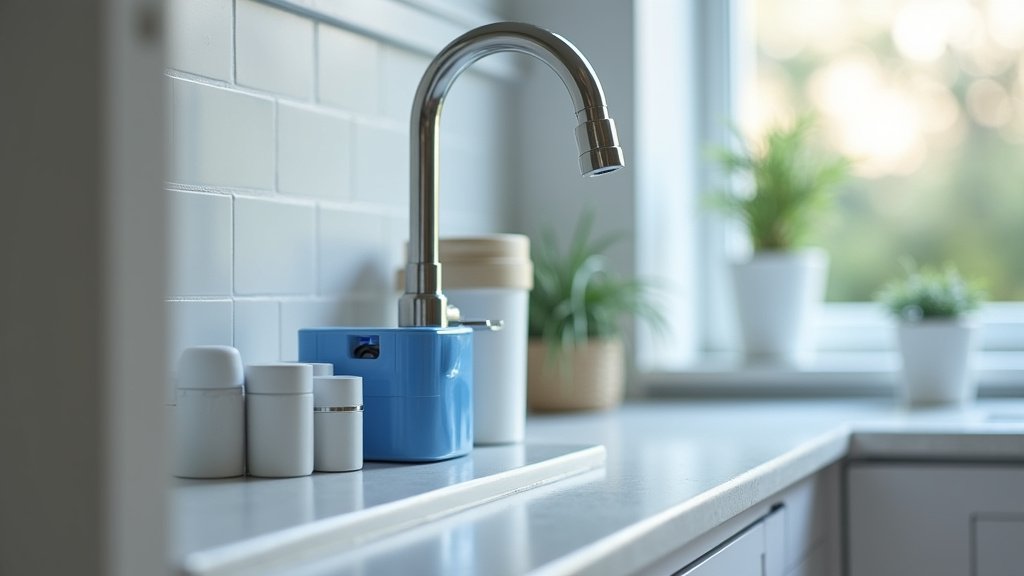
Life gets busy, and sometimes filters get forgotten. If you realize you’ve been using a filter past its date, don’t panic. Here’s a quick checklist to help you correct the situation and ensure your water remains safe.
- Check the Filter Type and Date: First, identify what type of filter you have and how long you think it’s been in use.
- Consult the Manual: Find the user manual for your specific filter model. This will confirm the recommended replacement interval (time and/or volume).
- Assess Water Usage: Consider how much water you’ve likely run through the filter since its last change. This helps determine if it’s saturated from volume or just old.
- Purchase a New Filter: Get the correct replacement filter. Using the wrong one can lead to poor performance or leaks.
- Replace the Old Filter: Follow the instructions for removing the old filter and installing the new one. Follow the instructions for removing the old filter and installing the new one. If you have a refrigerator filter, this guide shows you how.
- Reset the Indicator: If your system has an indicator light or dial, remember to reset it according to the manufacturer’s instructions.
Conclusion
As we’ve seen, ignoring your water filter’s replacement date is a gamble you don’t want to take. Your filter works hard to protect you from contaminants, but it has limits. Pushing it past its prime can lead to clogged pores, contaminant breakthrough, and even a breeding ground for bacteria. This can actually make your water quality worse, potentially harming your health. Always check your filter’s manual for the recommended schedule. Your best next step is to immediately check when your current filter is due for replacement and plan your next change.
Frequently Asked Questions
How often should I really replace my water filter?
Your filter’s lifespan depends on both time and how much water you use. Most manufacturers recommend replacing filters every 2 to 6 months, or after filtering a certain number of gallons, whichever comes first. Always refer to your specific filter’s manual for the exact guidelines.
What happens if I drink water from an old filter?
Drinking water from an expired filter can expose you to contaminants that the filter can no longer trap. It might also mean you’re ingesting bacteria that have started to grow within the filter media. This can lead to gastrointestinal issues or other health problems.
Can I just rinse an old filter to make it last longer?
No, rinsing an old filter won’t restore its filtering capabilities or remove trapped contaminants. The filter media becomes saturated or clogged over time. Rinsing won’t reverse this process, and the filter will continue to be ineffective and potentially harmful.
My filter indicator hasn’t changed, does that mean it’s still good?
Filter indicators are usually based on time or a preset gallon count. While helpful, they don’t always account for your specific water usage or water quality. It’s still wise to periodically check your manual and consider replacing the filter based on the “whichever comes first” rule.
Where can I find the replacement schedule for my specific filter?
The best place to find your filter’s replacement schedule is in the user manual that came with your filter system. If you no longer have it, you can usually find a digital version on the manufacturer’s website by searching for your model number.