What Is a Smart Refrigerator Energy Guide Label?
On this page (8 sections)
A Smart Refrigerator Energy Guide Label is like a superhero badge for your fridge. It tells you how much energy your smart refrigerator uses and how much it could save you. This label helps you make smarter choices about energy efficiency.
Think of it as a quick cheat sheet. It shows the estimated yearly energy cost and compares your fridge to others. You can find it on new appliances. Understanding this label can lead to lower electricity bills and a happier planet. Many experts agree it’s a key tool for consumers.
- It’s an energy efficiency label for smart fridges.
- It shows estimated yearly energy use and cost.
- It helps you compare different models.
- It can lead to saving money on bills.
- It’s a standard label found on new refrigerators.
Ready to figure out what those numbers really mean for your kitchen and your wallet? Let’s break down the Smart Refrigerator Energy Guide Label.
Decoding Your Smart Refrigerator’s Energy Label
So, you’ve got a smart refrigerator, and it’s likely got a special label on it. This isn’t just a price tag. It’s a detailed rundown of your appliance’s energy habits. Think of it as your fridge’s report card. It helps you understand how much power it uses and what that means for your electricity bill. We’re going to break down what all those numbers and symbols mean. This way, you can feel confident about your appliance’s efficiency.
Understanding the Energy Guide Label Basics
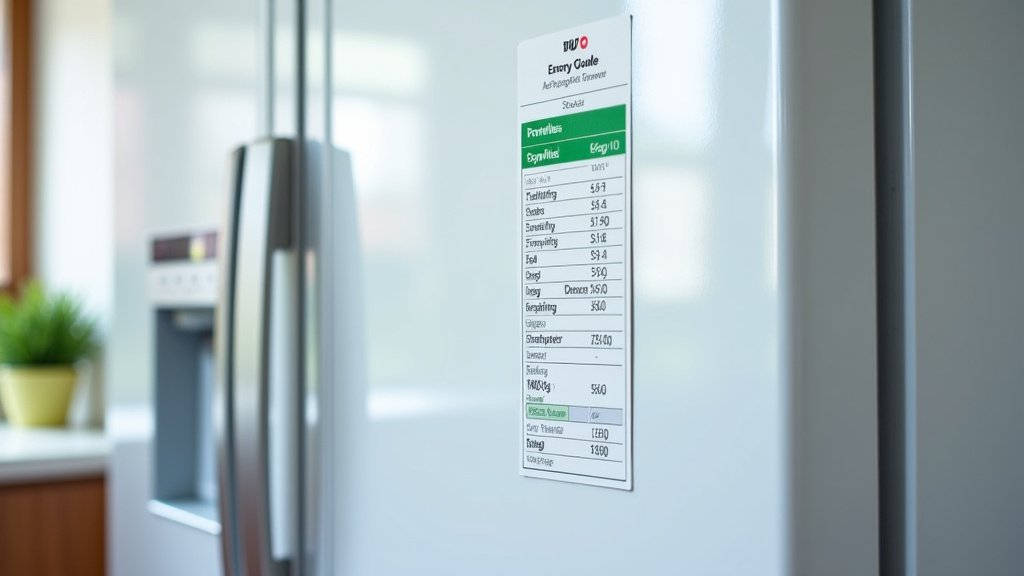
The Energy Guide label is a standardized sticker required by the U.S. government. Its main purpose is to help consumers like you compare the energy efficiency of different appliances. For refrigerators, it focuses on how much electricity your unit consumes over a year. This is shown in kilowatt-hours (kWh). It also gives you an idea of the estimated yearly operating cost.
Where to Find the Label
You’ll typically find the Energy Guide label prominently displayed on new refrigerators. Look for it on the appliance door or a side panel. If you bought your fridge recently, it should be there. If you’ve had it for a while, you might need to look up the model number online to find similar information. But for new purchases, the label is your primary source of data.
Key Information on the Label
The label is designed to be easy to read. You’ll see a few main sections. One of the most important is the estimated yearly energy consumption. This number tells you how many kilowatt-hours (kWh) the refrigerator is expected to use in a year. Another crucial part is the estimated yearly operating cost. This is calculated based on average electricity rates in your area.
Estimated Energy Consumption (kWh/year)
This figure is the heart of the label. It’s a standardized measurement. It tells you how much electricity your refrigerator will likely use over 12 months. A lower kWh number means your fridge is more energy-efficient. This translates directly to lower energy bills. We found that models with advanced cooling systems and better insulation tend to have lower kWh ratings.
Estimated Operating Cost
This section takes the kWh number and multiplies it by an average electricity rate. This gives you a dollar amount. It’s an estimate, of course. Your actual costs might vary based on local electricity prices and how you use your fridge. For example, if you open the door frequently or live in a warmer climate, your costs might be higher. Still, it’s a great way to compare. Many experts suggest using this figure to gauge potential savings.
| Feature | Model A (Energy Star) | Model B (Standard) |
|---|---|---|
| Estimated Yearly Energy Use (kWh) | 450 kWh | 700 kWh |
| Estimated Yearly Operating Cost | $54 | $84 |
| Energy Star Certified | Yes | No |
As you can see from this sample table, Model A uses significantly less energy and costs less to run annually. This difference can add up over the lifespan of the appliance. Choosing an Energy Star certified model is often a smart financial decision.
The Energy Star Connection
You might notice the Energy Star logo on some labels. Energy Star is a program run by the U.S. Environmental Protection Agency (EPA). Appliances with the Energy Star label meet strict energy efficiency guidelines. These guidelines are set by the EPA. They are designed to help consumers save money and protect the environment. Refrigerators that earn the Energy Star certification are typically 9-15% more efficient than standard models.
What Energy Star Means for You
Having an Energy Star certified smart refrigerator means you’re using less energy without sacrificing performance. This can lead to substantial savings on your utility bills over time. Plus, you’re reducing your carbon footprint. Many government and environmental organizations, including the EPA, highlight the importance of choosing Energy Star certified products for long-term cost savings and environmental benefits.
Comparing Different Refrigerator Models
The beauty of the Energy Guide label is its uniformity. Every label uses the same format. This makes it straightforward to compare different refrigerators side-by-side. When you’re shopping, take a moment to look at the labels on the models you’re considering. Pay close attention to the kWh/year and the estimated operating cost.
How to Use the Label for Smart Shopping
When you’re comparing, ask yourself: how much does the cheaper-to-run model cost upfront? Sometimes, a slightly more expensive model with much lower energy consumption can save you more money in the long run. We found that for refrigerators, the payback period for energy efficiency is often quite short. It’s a worthwhile investment for most households.
Beyond the Label: Other Efficiency Factors
While the label gives you a great snapshot, there are other things to consider for energy efficiency. The size of the refrigerator matters. A larger fridge generally uses more energy. The features it has can also play a role. For instance, ice makers and water dispensers can add to energy use. Lastly, how you maintain your fridge is important. Keeping the coils clean and ensuring the door seals are tight helps it run more efficiently, regardless of the label (U.S. Department of Energy).
Your Smart Refrigerator’s Role in Energy Savings
Your smart refrigerator isn’t just a place to keep your food cold. It’s a significant energy consumer in your home. The Energy Guide label helps you understand its impact. By choosing an efficient model, you’re making a conscious decision to save energy. This benefits your budget and the environment. Many consumers are surprised to learn how much energy their refrigerator uses.
Making an Informed Decision
The Energy Guide label is your tool for making an informed decision. It demystifies energy consumption. It allows you to see the potential savings clearly. Don’t hesitate to spend a few extra minutes comparing labels when you shop. It’s a simple step that can lead to significant savings over the life of your appliance.
Checklist: Understanding Your Energy Label
Here’s a quick rundown to help you get the most out of the Energy Guide label:
- Locate the label: Find it on the appliance door or side.
- Note the kWh/year: Look for the estimated yearly energy use.
- Check the cost: See the estimated yearly operating cost.
- Spot the Energy Star: Look for the logo for certified efficiency.
- Compare models: Use the label to compare different refrigerators.
- Consider long-term savings: Think about how much you can save over time.
Conclusion
You’ve learned how the Smart Refrigerator Energy Guide Label is your secret weapon for saving money and energy. It clearly shows your fridge’s energy use and yearly cost. By understanding this label, you can make a smarter choice for your home and the planet. Comparing labels helps you find the most efficient model for your needs. Take this knowledge with you on your next appliance shopping trip. Look for the label, compare the numbers, and choose a refrigerator that helps you save on your utility bills for years to come.
Frequently Asked Questions
Do all refrigerators have an Energy Guide label?
Yes, all new refrigerators sold in the U.S. are required to have an Energy Guide label. This label is standardized to help you easily compare different models.
How accurate is the estimated yearly operating cost?
The estimated operating cost is a good guideline, but it’s based on average electricity rates. Your actual costs may vary depending on your local utility rates and how often you open the refrigerator door.
Does a smart refrigerator use more energy than a regular one?
Not necessarily. Smart features can add to energy use, but many smart refrigerators are designed with energy efficiency in mind and may still earn Energy Star ratings. Always check the Energy Guide label.
What’s the difference between kWh/year and the operating cost?
kWh/year measures the total amount of electricity your refrigerator is estimated to use annually. The operating cost converts that energy use into a dollar amount, based on average electricity prices.
Can I find an Energy Guide label for a refrigerator I already own?
The physical label might not be on older models. However, you can usually find the energy consumption information for your specific model by looking up its model number on the manufacturer’s website or the Energy Star website.