
How to Organize a Smart Refrigerator with Drawers?

The easiest way to organize a smart refrigerator with drawers is to assign each drawer a specific food category, like produce, dairy, or meats. This strategy helps you keep similar items together, making them easier to find and preventing food waste. We found that this simple step significantly streamlines your kitchen routine.
You know that feeling when you can’t find what you’re looking for in your fridge? We’ve all been there. A well-organized smart refrigerator doesn’t just look neat; it also helps you track inventory and reduce forgotten items. Many experts say that proper organization extends the life of your food, saving you money in the long run.
- Assign specific categories to each drawer.
- Use clear containers for visibility.
- Label everything clearly.
- Group similar items together.
- Utilize smart features for inventory tracking.
Let’s walk through exactly how to set up your smart refrigerator drawers for maximum efficiency, step by step. You’ll be amazed at how much difference a little organization can make!
Optimizing Your Smart Refrigerator Drawers for Peak Performance
Organizing your smart refrigerator drawers effectively means creating a system that works for your household. It’s about more than just neatness; it’s about food safety and making your life easier. Think of your drawers as specialized zones, each with a distinct purpose.
Understanding Your Smart Refrigerator’s Zones
Modern refrigerators often have different temperature and humidity zones. Knowing how these work helps you store food correctly. We found that misunderstanding these zones is a common reason for premature food spoilage. Your smart fridge might even allow you to customize drawer settings, a feature worth exploring!
The “Crisper” Drawers: Humidity Control Masters
Most refrigerators have at least two crisper drawers, often with adjustable humidity sliders. These are designed to keep produce fresh. One drawer is usually for high-humidity items, and the other for low-humidity items. Using them correctly can significantly extend the life of your fruits and veggies.
- High Humidity Drawer: Ideal for leafy greens (lettuce, spinach), herbs, broccoli, and other vegetables that wilt easily. These items need moisture to stay crisp.
- Low Humidity Drawer: Best for fruits like apples, pears, and grapes, as well as vegetables that can rot if too moist, such as mushrooms, bell peppers, and cucumbers.
The Deli/Meat Drawer: Chilling Safely
Many smart refrigerators feature a dedicated deli or meat drawer, sometimes called a “chill drawer.” This drawer typically maintains a temperature slightly lower than the rest of the fridge, usually around 32-34°F (0-1°C). This colder environment is perfect for storing raw meats, poultry, seafood, and deli items like cold cuts and cheeses. We found that keeping these items separate prevents cross-contamination and keeps them fresher longer (USDA).
Strategic Assignment: What Goes Where?
Once you understand your drawers’ capabilities, you can assign them specific roles. This step is where you personalize your organization system. Think about what you buy most often and where it makes the most sense to put it.
Categorizing by Food Type
The simplest and most effective strategy is to group similar foods together. This approach mimics grocery store layouts and makes finding items intuitive. Imagine if your local store put bread next to frozen peas – it would be chaos!
| Drawer Type | Recommended Items | Why It Works |
|---|---|---|
| High-Humidity Crisper | Leafy greens, herbs, broccoli, carrots | Keeps moisture in, preventing wilting. |
| Low-Humidity Crisper | Apples, peppers, mushrooms, pears | Allows ethylene gas to escape, preventing spoilage. |
| Deli/Meat Drawer | Raw meat, poultry, fish, deli slices, cheeses | Lower temperature minimizes bacterial growth and cross-contamination. |
| Utility/Flex Drawer | Beverages, snacks, butter, overflow items | Adaptable for various needs, often with adjustable temps. |
Maximizing a Flex-Temp Drawer
Some premium smart refrigerators offer a “flex-temp” drawer. This means you can adjust its temperature setting from chilling beverages to freezing meats. This adaptability is a game-changer! You can set it to be an extra freezer for ice cream, a wine chiller, or another meat drawer. We’ve seen users reduce clutter in other areas of the fridge by utilizing this feature effectively.
Tools and Techniques for Optimal Drawer Organization
Beyond assigning categories, how you store items within those categories makes a big difference. Think about accessibility, visibility, and hygiene. These practical steps can prevent food from getting lost or forgotten.
Clear Containers are Your Best Friends
When you use opaque containers, you’re playing a guessing game every time you open a drawer. We recommend investing in clear, stackable containers. These allow you to see what’s inside at a glance, reducing the likelihood of items going bad unnoticed. Look for containers specifically designed for refrigerator use, often made from BPA-free plastic or glass.
Label, Label, Label!
Even with clear containers, labels are essential, especially for similar-looking items or leftovers. Include the item name and the date it was stored. A simple label maker or even masking tape and a marker will do the trick. This practice helps you keep track of food freshness and minimize waste (FDA guidelines support dating food).
The First-In, First-Out (FIFO) Method
This is a fundamental principle in food management, often used in restaurants. When you buy new groceries, place the older items at the front of the drawer and the newer items behind them. This ensures you use the older food first, reducing spoilage. It’s a simple habit that yields big results.
Leveraging Smart Features for Enhanced Organization
Your smart refrigerator isn’t just about temperature control; it often comes with built-in tools to aid organization. Are you using them to their fullest potential?
Digital Inventory Tracking
Many smart fridges offer a digital inventory feature. You can log items as you put them in and even set expiration date reminders. We found that users who consistently use this feature report less food waste. It’s like having a personal pantry manager right on your fridge door.
Smart Drawer Sensors and Alerts
Some high-end models have sensors that can detect when a drawer is open too long or if the temperature isn’t ideal. These alerts can help you maintain proper food storage conditions. A simple beep can save you from a drawer full of spoiled greens, helping you preserve food quality.
Maintaining Your Organized Drawers
Organization isn’t a one-time event; it’s an ongoing process. Regular maintenance keeps your system effective. Think of it as a small, consistent effort that prevents a large, overwhelming task later.
Routine Cleaning Schedule
Even the most organized drawers get messy. Spills happen. Make it a habit to wipe down your drawers weekly or bi-weekly. A quick clean prevents sticky messes and bacterial buildup. We found that a simple mixture of warm water and mild dish soap is usually sufficient for cleaning interior surfaces.
The Weekly “Check-In”
Before you go grocery shopping, take a few minutes to survey your fridge drawers. What needs to be used up? What’s getting low? This weekly check-in helps you plan meals, create an accurate shopping list, and avoid duplicate purchases. It’s a small investment of time that pays off in efficiency and savings.
Your Smart Refrigerator Drawer Organization Checklist:
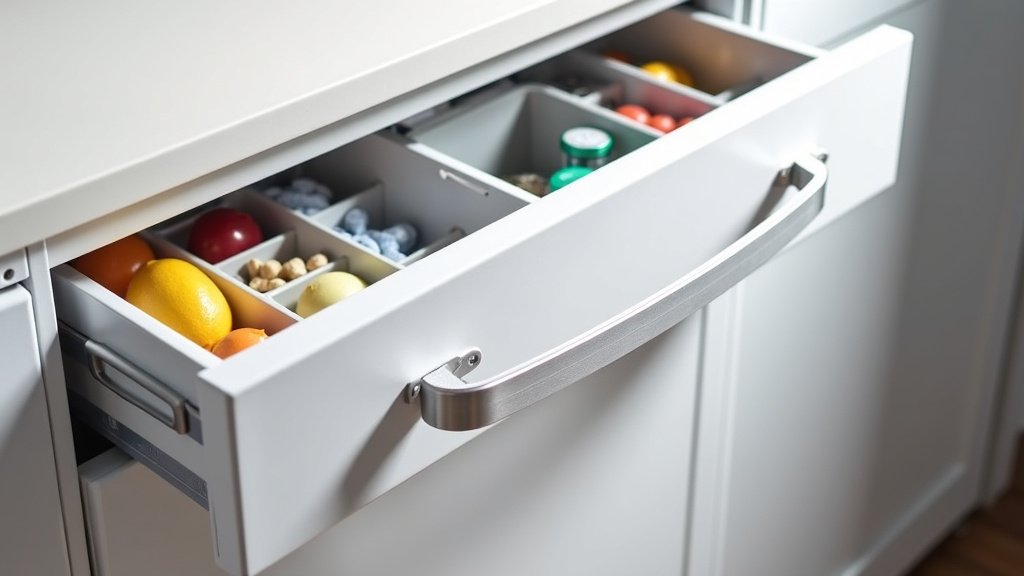
Assign Categories: Dedicate each drawer to a specific food type (e.g., high-humidity produce, low-humidity produce, meats/deli).
Utilize Clear Containers: Store items in transparent, stackable containers for easy visibility.
Label Everything: Use labels with item names and dates to track freshness.
Implement FIFO: Place older items in front, newer items in back, to ensure rotation.
Engage Smart Features: Use digital inventory and alerts to monitor contents and conditions.
Clean Regularly: Wipe down drawers weekly to maintain hygiene and prevent odors.
Conclusion
Organizing your smart refrigerator drawers is more than just tidying up. It’s about creating a system that reduces food waste, saves you money, and simplifies your daily kitchen routine. By understanding your fridge’s zones, strategically assigning categories, and using practical tools like clear containers and labels, you gain full control over your food inventory. Don’t forget to use those smart features and maintain your system with regular check-ins.
Start by tackling just one drawer today. You’ll quickly see how these small changes lead to big improvements in your kitchen efficiency and food freshness.
Frequently Asked Questions
What’s the best way to prevent odors in my refrigerator drawers?
Regular cleaning is key to preventing odors. Wipe down your drawers weekly with a mild soap and water solution. You can also place an open box of baking soda in the main compartment of your fridge to absorb any lingering smells.
Can I store bread in a refrigerator drawer?
Generally, it’s best not to store most types of bread in the refrigerator, as it can dry out and become stale more quickly. However, if you have certain specialty breads or want to extend the life of sliced sandwich bread by a few days, an airtight container in a main fridge compartment (not usually a drawer) might work, but freezing is often a better option for longer storage.
How often should I clean out my refrigerator drawers?
Aim for a quick wipe-down of your drawers every week or two to handle spills and crumbs. A more thorough clean, where you empty and wash the drawers, is a good idea monthly or whenever you notice significant buildup.
My smart fridge has a “convertible” drawer. How should I use it?
A convertible or flex-temp drawer is incredibly versatile! You can adjust its temperature for different needs. Consider using it as an extra freezer space, a beverage chiller for entertaining, or a dedicated snack drawer for easy access. Check your fridge’s manual for specific temperature ranges and suggestions.
Is it okay to mix fruits and vegetables in the same crisper drawer?
It depends on the fruit and vegetable. Some fruits, like apples and bananas, release ethylene gas, which can cause certain vegetables to ripen and spoil faster. It’s best to separate high-ethylene producers from ethylene-sensitive produce. Using your high and low-humidity crispers correctly helps manage this.
