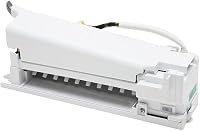
Nugget Ice Maker Refrigerator: What to Look For
A nugget ice maker refrigerator should be judged by ice texture, production, storage, water access and service needs. Confirm that the refrigerator makes soft nugget ice rather than standard cubes, then match its capacity and cabinet size to your kitchen.
On this page (8 sections)
- What makes a nugget ice maker refrigerator different?
- Which ice features matter most?
- How should you measure a refrigerator with an ice maker?
- Which refrigerator size fits your kitchen?
- Should you choose a built-in ice maker or a separate appliance?
- How do you maintain a nugget ice maker refrigerator?
- What should you check before ordering?
- Is a nugget ice maker refrigerator worth it?
A nugget ice maker refrigerator should make the right soft, chewable ice while giving you enough production and storage for daily drinks. The best choice also fits your kitchen, has a practical water connection and gives you a clear way to clean and maintain the ice system.
Nugget ice is often chosen for its softer bite and small shape. That texture is different from a standard freezer cube, so do not assume that a refrigerator with an ice dispenser makes nugget ice.
This guide separates ice texture from refrigerator features. It also compares three refrigerators that help show the trade-offs between compact storage, counter-depth design and a larger French door cabinet.
None of the product information below confirms nugget ice production unless the product title states it directly.
If you are comparing the wider category, start with our Best Smart Refrigerator With Ice Maker guide. It can help you compare refrigerators with connected features and built-in ice systems before focusing on texture.
What makes a nugget ice maker refrigerator different?
A nugget ice maker refrigerator is different because it must form a small, softer ice style rather than only standard cubes. The word “ice maker” alone does not confirm nugget ice, so check the exact ice type in the product information and installation instructions.
A standard ice maker may produce hard cubes that melt more slowly and work well for storage. Nugget ice is usually selected for drinks because its shape and texture are easier to chew, but that preference can also mean faster melting and more frequent use of the ice maker.
Look for these terms:
- Nugget ice
- Chewable ice
- Pellet ice
- Sonic-style ice
- Pebble ice
Treat vague phrases such as “ice maker,” “ice dispenser” or “crushed ice” as incomplete descriptions. Crushed ice may be made by breaking cubes after they freeze, which is not the same process as forming nugget ice.
The refrigerator may also offer more than one ice output. If it makes cubes and crushed ice but does not mention nugget or chewable ice, it may not meet your main reason for shopping.
Which ice features matter most?
The most useful ice features are texture, production speed, bin capacity, dispensing method and water management. A refrigerator that makes the right texture but runs out during your busiest period may be less useful than a simpler system with enough storage.
How do you confirm the ice texture?
Confirm the exact ice style before comparing smart controls or cabinet finishes. The product name, feature list or manufacturer instructions should clearly identify nugget, pellet, pebble or chewable ice.
Do not infer texture from a photo of a dispenser. Ice pieces can look similar in a product image, and a refrigerator may show crushed ice even when its main ice maker forms cubes.
If the information is unclear, treat that uncertainty as a buying risk. You can still compare the refrigerator's food storage and layout, but it should not be called a nugget ice choice without confirmation.
How much ice should the refrigerator make?
Choose production based on your peak use, such as several drinks per person, a family meal or a gathering. Daily ice demand matters more than the refrigerator's total cubic-foot capacity.
A larger refrigerator does not automatically make more ice. Food capacity and ice production are separate decisions, so check the ice system's output and storage details when those numbers are available.
Think about when the ice will be used. If most drinks happen in the evening, a system that produces ice steadily through the day may fit better than one with a small bin that empties quickly.
How large should the ice bin be?
The ice bin should hold enough for your busiest normal period without taking too much freezer space. A large bin can reduce how often you wait for fresh ice, but it can also occupy room that could hold frozen food.
Check whether the bin is removable and whether the opening is wide enough to clean. A bin that is difficult to lift or rinse can make regular care less convenient.
The storage location matters too. Ice kept in a freezer compartment may be easier to store, while an in-door system can make dispensing convenient but may reduce usable door space.
Is a water filter required?
A refrigerator water system may use a filter, a direct water line or both. Check filter access and replacement instructions before installation, especially if the refrigerator will sit tightly between cabinets.
Water quality affects taste and can leave mineral buildup inside water and ice parts. Follow the refrigerator's care instructions and use only the filter type approved for that appliance.
If your kitchen does not have a nearby water connection, compare the installation cost and route before choosing a plumbed ice system. A water line should be reachable for shutoff and service.
How should you measure a refrigerator with an ice maker?
Measure the cabinet, doorway route, door swing and required clearances before buying. A refrigerator can fit the stated width and still fail at delivery if the route, hinge side or open-door depth is too tight.
Record these measurements:
- The cabinet opening width, height and depth.
- The narrowest doorway and hallway.
- Any turns between the entrance and final position.
- The space needed for doors, drawers and the ice dispenser.
- Ventilation and service gaps from the installation instructions.
- The location of the water line and electrical outlet.
Counter-depth does not mean flush with every cabinet. Compare counter-depth refrigerators with ice makers when choosing a cabinet style.
Handles, doors and open drawers still need room, and a French door refrigerator can need substantial space when the lower freezer is open.
For a smaller kitchen, compare our Best Small Refrigerators With Ice Makers guide. If you decide that ice convenience is not worth the space or plumbing work, our best refrigerator without ice maker guide covers simpler alternatives.
Which refrigerator size fits your kitchen?
The right refrigerator size depends on your food load and available floor space, not just on the desire for nugget ice. If you need a compact refrigerator with an ice maker, compare compact refrigerator options.
A compact unit may fit a small apartment, while a full-size French door cabinet gives you more fresh and frozen storage but requires a larger route and opening.
The three products below show different cabinet sizes and ice-related trade-offs. Their data does not confirm that each one makes nugget ice, so use them as refrigerator comparisons rather than assuming every model solves the same ice-texture need.
Frigidaire: compact storage without confirmed nugget ice
The Frigidaire suits a small kitchen, office, dorm or garage where a 7.5 cu ft refrigerator/freezer combination matters more than a built-in nugget ice system. Its 23 in D x 21.5 in W x 55.5 in H size is much smaller than the full-size refrigerators in this guide.
It has 6 cu ft of fresh-food capacity and 2 cu ft of freezer capacity. The freezer is on top, and the refrigerator has removable glass shelves, a transparent crisper and a full-width door bin.
Its reversible stainless-steel door can open from either side, which helps when the refrigerator must fit a tight layout. Two front adjustable leveling legs and rear castors can help with placement and movement.
The Frigidaire has an adjustable thermostat and interior lighting in both compartments. Its manual defrost system means you should plan for periodic maintenance.
Choose it when compact food storage is the main goal. Its title and product information do not confirm an ice maker or nugget ice production, so it is not a safe choice when soft ice is the deciding feature.
Sharp SJB1255GS 11.5 cu.ft. Counter Depth: organized storage in a narrow cabinet
The Sharp suits a buyer who wants 11.5 cu ft of storage in a 24 in counter-depth refrigerator with a bottom freezer. Compare bottom-freezer refrigerators with ice makers if that layout is your priority.
Its 27 in D x 23.6 in W x 72.8 in H dimensions make height and delivery clearance important.
The refrigerator section has 7.3 cu ft of fresh-food capacity, while the bottom freezer has 4.2 cu ft. The freezer includes three drawers, and the refrigerator includes two shelves and a removable wine rack.
Its Fresh Converter Drawer can be set to Chiller for fresh foods or Crisper for fruits and vegetables. Multi Air Flow distributes air through vents in both compartments, while the freezer has Freeze Boost for an extra chill setting.
Vacation Mode can turn off the refrigerator cavity while the freezer stays on. The Sharp also has reversible doors, electronic temperature control and a bright LED display.
Choose it for organized counter-depth storage, especially when a bottom freezer and flexible drawer matter. Its title and product information do not confirm nugget ice production, so compare it with a dedicated ice appliance if chewable ice is essential.
GE GYE22GYNFS 36" French Door Counter Depth: full-size storage with a space-saving ice maker
The GE suits households that need a larger French door refrigerator with 22.1 cu ft of total capacity and a space-saving ice maker. Its title names an ice maker, but it does not identify the output as nugget, chewable or pellet ice.
The GE provides 14.92 cu ft of fresh-food capacity and 7.16 cu ft of freezer capacity. Its 36 in format measures 31.25 in D x 35.75 in W x 70.5 in H, and the maximum depth with the door open is 43.37 in.
French doors can make wide shelves easier to reach while reducing the swing area of one large door. The refrigerator has six door shelves, and LED lighting helps you see items inside.
The stainless-steel finish is described as resisting fingerprints and smudges. The appliance also includes an antibacterial filter in its additional features.
Choose it when food capacity and an integrated ice maker matter more than confirmed nugget texture. Confirm the ice style, dispenser setup and water requirements before treating it as a nugget ice maker refrigerator.
Should you choose a built-in ice maker or a separate appliance?
Choose a built-in system for convenience and a cleaner refrigerator setup, or choose a separate appliance when ice texture and production are your top priorities. The better option depends on whether you want one integrated cabinet or more control over the ice system.
A built-in ice maker keeps ice close to the freezer and can reduce countertop clutter. It may also save you from moving ice between appliances, but repairs can affect a larger and more expensive refrigerator system.
A separate nugget ice maker can make it easier to focus on texture and production. The trade-off is another appliance, another power connection and another surface or cabinet location to clean.
A refrigerator ice maker can also compete with freezer storage. If the ice bin takes space inside the freezer, you may lose room for frozen food even when the refrigerator's total capacity looks generous.
If you are considering an add-on rather than a new refrigerator, compare our Best Ice Maker Kit For Smart Refrigerator guide. Check compatibility carefully because an ice maker kit must match the refrigerator design and installation requirements.
How do you maintain a nugget ice maker refrigerator?
Maintain the ice system by keeping the bin clean, following the filter schedule and removing old ice. Regular care helps protect taste and keeps the ice area ready for daily use, but it cannot replace the appliance's own cleaning instructions.
Use the refrigerator manual as the final guide for cleaning products, removable parts and sanitation steps. Do not assume that a general refrigerator cleaner is suitable for every water passage or ice-making surface.
A basic care routine includes:
- Discarding ice that has been stored too long or picked up unwanted odors.
- Washing removable ice bins according to the appliance instructions.
- Wiping spills around the dispenser and ice opening.
- Replacing the water filter at the recommended interval when the refrigerator uses one.
- Checking for leaks around the water connection.
- Keeping vents and service areas clear.
- Confirming that the ice maker is not blocked by packed food.
If ice production slows, check the water supply, filter condition, temperature setting and bin position before assuming the compressor has failed. Do not force frozen parts or remove covers that the manual does not identify as user-serviceable.
For a refrigerator troubleshooting step, see How to Reset the Ice Maker on a Smart Refrigerator?. If the ice maker must be removed for an approved repair or replacement, use How to Remove an Ice Maker from a Smart Refrigerator?.
What should you check before ordering?
Check the ice texture, cabinet measurements, water setup, storage space and maintenance path before ordering. A refrigerator is a poor nugget ice choice if its ice type is unclear, even when its smart controls and food capacity look appealing.
Use this final checklist:
- Does the product information clearly say nugget, pellet, pebble or chewable ice?
- Is the ice bin large enough for your busiest normal use?
- Does the production rate match your household's demand?
- Is there a water line, reservoir or filter to plan for?
- Can the appliance pass through every doorway and turn?
- Will the doors, drawers and dispenser open fully?
- Does the cabinet leave the required ventilation and service space?
- Will the ice system take useful freezer or door storage away?
- Can you remove and clean the ice bin?
- Are replacement filters or other maintenance parts available?
- Can the ice maker be switched off when you do not need it?
Do not compare only the refrigerator's total cubic feet. The useful choice balances food storage, ice storage, access and the work needed to keep the water and ice path clean.
Is a nugget ice maker refrigerator worth it?
A nugget ice maker refrigerator is worth considering when you want one appliance to handle food storage and soft ice, and the exact ice style is clearly confirmed. Pick the GE when full-size storage and an integrated ice maker are the priority, the Sharp when a narrow counter-depth cabinet and flexible storage fit better, and the Frigidaire when compact food storage matters more than built-in ice.
None of these three product details confirms nugget ice production. Use their cabinet sizes and storage layouts to compare refrigerator fit, then verify the ice texture separately before you buy.
Frequently asked questions
What should I look for in a nugget ice maker refrigerator?
Look for confirmed nugget or chewable ice production, enough ice storage for your busiest use, a water supply that fits your kitchen, and dimensions that leave room for doors and ventilation. Also check cleaning access, replacement parts and whether the ice maker can be turned off when you do not need it.
Is nugget ice the same as crushed ice?
Nugget ice is not the same as ordinary crushed ice. It is formed into small, softer pieces with a chewable texture, while crushed ice is broken from larger cubes or blocks.
Confirm the exact ice type before buying because a refrigerator that makes cubes or dispenses crushed ice may not make nugget ice.
Can a refrigerator make nugget ice without a water line?
Most built-in refrigerator ice makers need a water source, but the exact setup depends on the appliance. Check whether the model uses a plumbed line or a refillable reservoir, then confirm the water filter, shutoff access and installation space before ordering.
How much ice storage does a refrigerator need?
Choose storage based on your busiest day, not an average day. A small household may need only a modest bin, while frequent cold drinks, parties or large family meals can empty it quickly.
Compare the ice bin capacity and production rate instead of looking only at the refrigerator's total food capacity.
Are refrigerators with nugget ice makers hard to clean?
They can need more care than a refrigerator with no ice system because water passages, bins and ice-making parts need regular cleaning. Follow the appliance instructions, replace filters on schedule when required, discard old ice and keep the bin dry between cleaning cycles.