What Is a Smart Refrigerator Warranty?
On this page (8 sections)
- Understanding Your Smart Refrigerator Protection Plan
- What Does a Smart Refrigerator Warranty Typically Cover?
- What Is NOT Usually Covered by a Smart Refrigerator Warranty?
- Understanding Warranty Length and Options
- When Should You Consider a Smart Refrigerator Warranty?
- Making the Most of Your Smart Refrigerator Warranty
- Conclusion
- Frequently Asked Questions
A smart refrigerator warranty is your financial safety net against unexpected repair costs for your high-tech fridge. It’s a contract, usually for a set period, that covers specific parts or issues if your smart fridge malfunctions. Think of it as peace of mind for your fancy appliance, especially since these refrigerators have more moving parts and complex electronics than traditional ones.
When you invest in a smart refrigerator, you’re getting more than just a place to store your food. You’re getting Wi-Fi connectivity, touch screens, and even internal cameras. A smart refrigerator warranty ensures these advanced features are protected if something goes wrong, covering potential problems with its smart components and the standard refrigeration systems. We found many smart fridge owners appreciate this extra layer of protection.
- What is a smart refrigerator warranty? It’s a contract covering repair costs.
- What does it cover? Specific parts and malfunctions for a set time.
- Why is it important? Smart fridges have complex, expensive tech.
- What to look for? Details on covered parts and warranty length.
Let’s break down what a smart refrigerator warranty actually means for you and your kitchen.
Understanding Your Smart Refrigerator Protection Plan
A smart refrigerator warranty is essentially your contract for peace of mind. It’s an agreement between you and the manufacturer or a third-party provider. This contract spells out what happens if your advanced fridge breaks down. It details what repairs are covered and for how long. Think of it as your kitchen appliance insurance.
Your smart fridge is a big investment. It does so much more than keep your milk cold. It connects to Wi-Fi, has a touchscreen, and might even show you what’s inside. These smart features add a layer of potential issues. A warranty helps protect you from paying the full cost of repairs for these high-tech components.
What Does a Smart Refrigerator Warranty Typically Cover?
When you buy a smart refrigerator, the warranty usually covers two main areas: the standard refrigeration parts and the smart technology components. We found that most warranties aim to protect your overall investment.
Standard Refrigeration System Coverage
This is similar to what you’d find on a regular refrigerator. It includes parts like the compressor, evaporator, condenser, and cooling system. If these essential components fail, the warranty should step in. This means you won’t have to foot the entire bill for these often-expensive repairs. We found that this coverage is pretty standard across the board.
Smart Technology Component Coverage
This is where smart fridge warranties differ. They specifically cover the electronic parts that make your fridge “smart.” This can include the touchscreen display, Wi-Fi module, internal cameras, and any associated software or sensors. These parts can be quite costly to replace. A good warranty ensures these advanced features are protected. We found that many owners are most concerned about these specific parts. It’s important to know exactly which smart components are included.
Labor Costs Included?
A really good warranty will also cover the cost of labor for any approved repairs. Installing new parts, especially on complex appliances, requires skilled technicians. Labor charges can add up quickly. Make sure your warranty specifies if labor is included. We found that some plans only cover parts, leaving you with an unexpected labor bill. That’s why we always recommend checking this detail.
What Is NOT Usually Covered by a Smart Refrigerator Warranty?
It’s just as important to know what your warranty won’t cover. Understanding exclusions helps prevent surprises down the line. Most warranties have a standard list of things they don’t cover.
Cosmetic Damage
Scratches, dents, or other cosmetic issues are generally not covered. These are considered normal wear and tear. If your fridge arrived with a dent, you’d report it immediately. But damage that happens after installation is usually on you. This includes things like paint chips or surface marks.
Improper Installation or Maintenance
If your smart fridge breaks because it wasn’t installed correctly, or if you haven’t followed the manufacturer’s maintenance guidelines, the warranty likely won’t apply. This means keeping your fridge clean, ensuring proper ventilation, and following any specific care instructions. We found that not performing regular cleaning can void some warranties. Always keep your user manual handy for maintenance tips.
Accidental Damage or Misuse
Did you drop something heavy on the touchscreen? Did a child draw on it with permanent marker? Damage caused by accidents, abuse, or misuse is typically excluded. This also covers things like attempting to repair it yourself without authorization. The warranty is for manufacturing defects, not accidental damage.
Consumable Parts
Parts that are meant to be replaced periodically, like water filters or light bulbs, are usually not covered. These are considered consumables. They wear out over time with normal use. Check your warranty document to see if specific parts like these are excluded.
Understanding Warranty Length and Options
Smart refrigerator warranties come in different lengths and forms. Knowing your options can help you make an informed decision.
Manufacturer’s Standard Warranty
Most new smart refrigerators come with a manufacturer’s warranty. This is usually included in the purchase price. The length can vary, but often it’s one year for parts and labor. Some components, like sealed refrigeration systems, might have longer coverage, sometimes up to five or ten years. We found that these are the baseline protections you get right out of the box.
Extended Warranties (Service Contracts)
You often have the option to purchase an extended warranty, also known as a service contract. These are offered by the manufacturer, the retailer where you bought the fridge, or third-party companies. They extend the coverage period beyond the manufacturer’s standard warranty. This can be a good idea for high-tech appliances like smart fridges, as repairs can be expensive. We found that many consumers opt for these to cover their investment for longer. They can range from 2 to 5 years or more.
Here’s a quick look at typical warranty lengths:
| Component Type | Typical Manufacturer Warranty | Potential Extended Warranty |
|---|---|---|
| Smart Components (Display, Wi-Fi, Cameras) | 1-2 Years | Up to 5 Years |
| General Parts & Labor | 1 Year | Up to 5 Years |
| Sealed Refrigeration System (Compressor, etc.) | 5-10 Years | Up to 10 Years |
What to Look For When Buying an Extended Warranty
If you’re considering an extended warranty, do your homework. Not all service contracts are created equal. We advise you to look for clear, detailed information. Ensure it covers both standard and smart components. Check the deductibles – how much you have to pay out-of-pocket. Some have zero deductibles, while others have a set fee per service call. Also, research the reputation of the warranty provider. You want a company that stands by its promises. Reading customer reviews can be very helpful. We found that a little research upfront can save a lot of headaches later.
When Should You Consider a Smart Refrigerator Warranty?
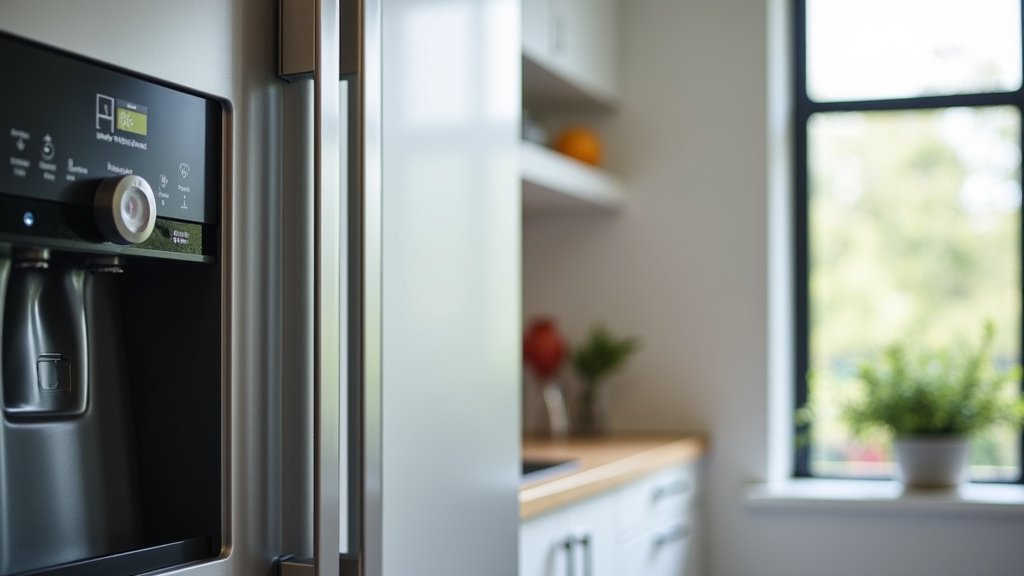
Given the technology packed into these appliances, a warranty is often a smart move. Think about the cost of repairing a smart fridge. A faulty touchscreen could cost hundreds of dollars to replace. A malfunctioning Wi-Fi module might be just as expensive. Your smart refrigerator warranty acts as a buffer against these potentially large expenses.
Many experts say that for appliances with a higher purchase price and more complex technology, purchasing an extended warranty can offer good value. It provides financial security. It protects your budget from unexpected appliance failures. We found that owners of smart home devices often feel more comfortable having these extended protections in place.
Making the Most of Your Smart Refrigerator Warranty
Once you have a warranty, it’s important to keep track of it. This ensures you can use it if needed.
Keep Your Documentation Safe
Store your warranty documents, receipts, and the user manual in a safe place. A digital copy is also a good idea. Knowing where these are will save you time if you need to file a claim. We recommend a dedicated folder, either physical or digital, for all your appliance information.
Register Your Product
Many manufacturers require you to register your appliance to activate the warranty. This is usually a simple online process. It also helps the manufacturer contact you about any potential recalls. Don’t skip this step; it’s vital for warranty validation.
Know How to File a Claim
Familiarize yourself with the process for filing a claim. Who do you contact? What information will they need? Usually, you’ll need your model and serial number, and a description of the problem. Having this information ready makes the claim process smoother. We found that being prepared can significantly speed up service.
Read the Fine Print
We can’t stress this enough: read the entire warranty document. Understand the terms, conditions, exclusions, and limitations. Knowing these details upfront will prevent misunderstandings. It ensures you know exactly what to expect if you need a repair. Your peace of mind depends on this clarity.
Here’s a quick checklist to help you manage your smart refrigerator warranty:
- Keep warranty documents and purchase receipts.
- Register your smart refrigerator with the manufacturer.
- Understand what parts and labor are covered.
- Note any deductibles or service fees.
- Know who to contact to file a warranty claim.
- Be aware of any maintenance requirements to keep the warranty valid.
Conclusion
Your smart refrigerator warranty is more than just a piece of paper. It’s your safeguard against potentially steep repair bills for advanced technology. You’ve learned what it typically covers, from essential cooling parts to the smart features like touchscreens and cameras. We also covered what’s usually excluded, like cosmetic damage or issues from misuse. Knowing the difference between manufacturer warranties and extended service contracts is key. Keep your documentation safe, register your product, and understand the claim process.
Your next step? Review your current warranty details or consider your options before your next appliance purchase. This ensures your smart kitchen stays smart and functional for years to come.
Frequently Asked Questions
How long do smart refrigerator warranties typically last?
Manufacturer warranties usually cover smart components for 1-2 years and sealed refrigeration systems for 5-10 years. Extended warranties can offer coverage for 3-5 years or even longer for all parts and labor.
Is it worth buying an extended warranty for a smart refrigerator?
For expensive appliances with complex tech, an extended warranty can offer good value. It protects your budget from unexpected repair costs, which can be quite high for smart features.
What happens if my smart fridge breaks during the warranty period?
You’ll need to contact the warranty provider, usually following a specific claim process. Be prepared to provide your model and serial number and a description of the issue to start the repair service.
Can I get my smart refrigerator repaired anywhere with a warranty?
Most warranties require you to use authorized service providers. Check your warranty document to understand where you can get repairs done to ensure they are covered.
Does a smart refrigerator warranty cover software glitches?
This depends on the specific warranty terms. Some may cover software issues if they are due to a manufacturing defect, while others might exclude them or have separate software support guidelines.