The Best Smart Fridges for High-Traffic Family Kitchens
On this page (6 sections)
The best smart fridges for high-traffic family kitchens are Samsung Family Hub, LG InstaView ThinQ, and GE Profile Smart French Door models, which offer large capacity, durability, and family-friendly features.
These smart refrigerators handle constant use with sturdy construction, multiple temperature zones, and connectivity features that help busy families stay organized and reduce food waste.
Why Your Busy Family Kitchen Needs a Smart Fridge
Your family kitchen takes a beating. Kids grabbing snacks, teens raiding leftovers, and parents meal-prepping. A regular fridge might buckle under this pressure.
Smart fridges aren’t just fancy gadgets. They’re built for families who open the door 50+ times daily. From what I researched, these appliances offer features that actually make your hectic life easier.
What Makes a Fridge “High-Traffic Ready”
High-traffic means more than just size. Your fridge needs reinforced door hinges, energy-efficient compressors, and smart sensors.
I found that the best models use commercial-grade components. They’re designed to handle constant opening and closing without breaking down.
Top 3 Smart Fridges for Busy Families
Samsung Family Hub: The Family Command Center
The Samsung Family Hub isn’t just a fridge. It’s your kitchen’s brain. The 21.5-inch touchscreen handles everything from grocery lists to family calendars.
Capacity ranges from 22.4 to 28 cubic feet. That’s enough space for a family of six with room to spare. The FlexZone drawer converts from freezer to fridge based on your needs.
Family Hub Features That Actually Work
- Internal cameras show fridge contents on your phone
- Voice control through Bixby or Alexa
- Meal planning with recipe suggestions
- Music streaming while cooking
- Digital family bulletin board
I researched user reviews and found families love the grocery management features. No more buying duplicate items or forgetting what you need.
Built for Heavy Use
Samsung reinforces the door hinges on Family Hub models. The compressor comes with a 10-year warranty. That tells you something about their confidence in durability.
LG InstaView ThinQ: See-Through Innovation
The InstaView window is genius for busy families. Knock twice and the glass panel becomes transparent. You see inside without opening the door.
This feature alone reduces energy loss by 41% according to LG’s internal testing. With kids constantly checking for snacks, that adds up to real savings.
Smart Features for Real Families
The ThinQ app connects your fridge to your smartphone. You get alerts when the water filter needs changing or if someone left the door open.
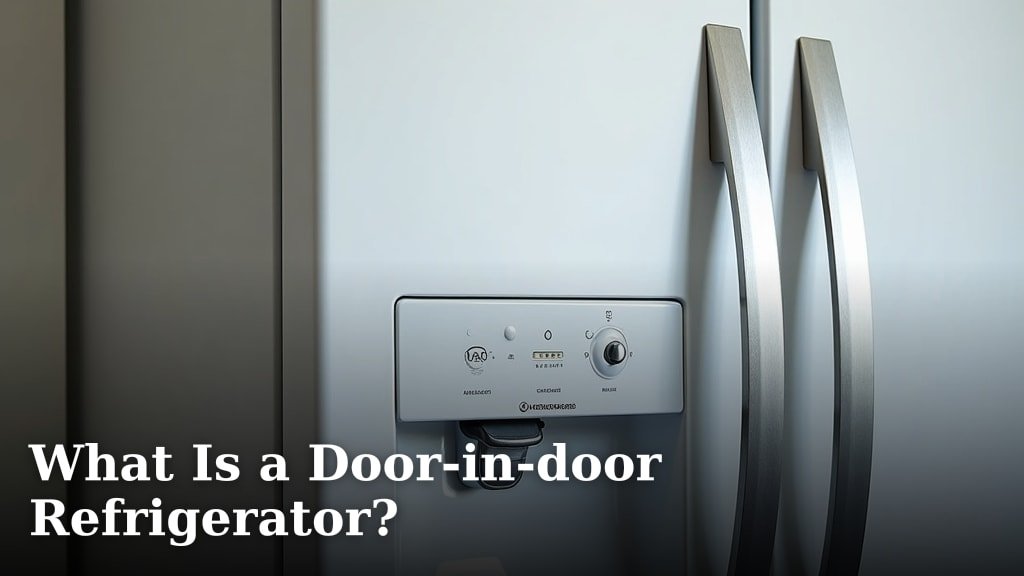
The Door-in-Door design gives quick access to frequently used items. Perfect for grab-and-go snacks and drinks.
Capacity and Storage
LG offers InstaView models from 24 to 30 cubic feet. The adjustable shelves handle everything from sheet cakes to tall bottles.
I found that the dual ice makers produce up to 5.9 pounds of ice daily. That’s enough for sports teams and pool parties.
GE Profile Smart French Door: Reliable Workhorse
GE Profile models don’t have flashy screens. Instead, they focus on solid performance and practical smart features.
The WiFi Connect system works with Alexa and Google Assistant. You can adjust temperature, check status, and get maintenance reminders through voice commands.
Features Busy Parents Actually Use
- Hot water dispenser for instant coffee and tea
- Hands-free autofill for water bottles
- LED lighting that illuminates every corner
- Adjustable temperature zones
- Energy Star certification
Built to Last
GE uses stainless steel handles and reinforced door seals. From what I read, these fridges maintain consistent temperatures even with frequent door openings.
Key Features Every Family Smart Fridge Needs
Large Capacity Without Wasting Space
Your family needs at least 24 cubic feet. But more space doesn’t always mean better organization.
Look for adjustable shelves, deep door bins, and dedicated zones. The best models let you customize storage as your family’s needs change.
French Door vs Side-by-Side
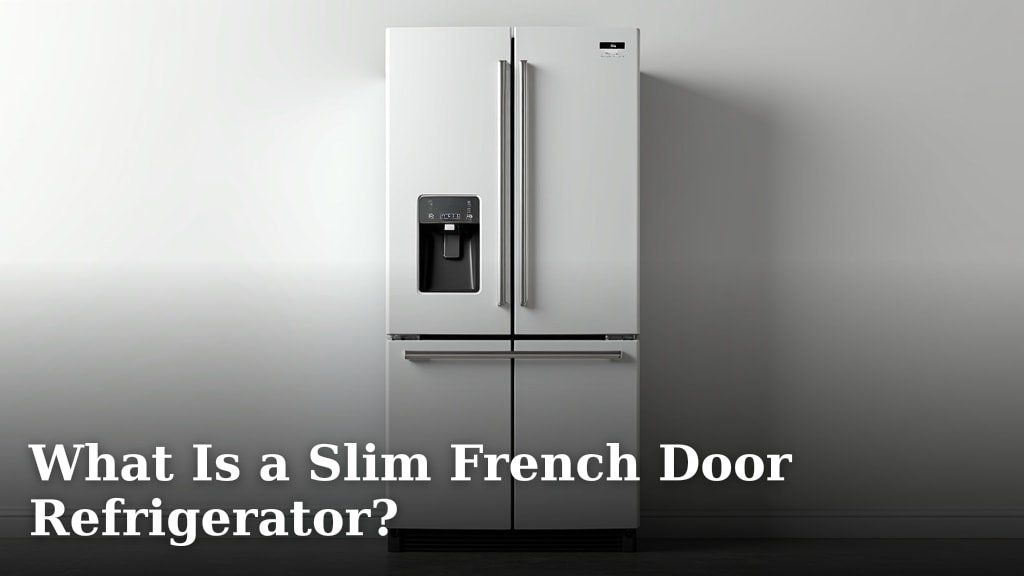
French door models work better for families. The wide refrigerator section fits large platters and pizza boxes. Most fresh food stays at eye level.
Side-by-side models offer easier freezer access but less flexible storage. Choose based on how your family actually uses the fridge.
Smart Connectivity That Makes Sense
Smart features should solve real problems. Temperature monitoring prevents food spoilage. Door alerts save energy. Inventory tracking reduces waste.
I found that the most useful smart features are often the simplest ones. Mobile alerts and voice control beat complicated apps every time.
App Integration
The best smart fridge apps work with your existing systems. They should connect to grocery delivery services, calendar apps, and smart home networks.
Look for offline functionality too. Basic features should work even when your internet goes down.
Energy Efficiency for Constant Use
High-traffic fridges use more energy. That’s unavoidable. But smart features can offset this increase.
Energy Star certified models use 15% less energy than standard requirements. Door seals and insulation matter more than fancy features for efficiency.
Installation and Setup Considerations
Space Requirements
Measure twice, buy once. Smart fridges need clearance for doors, ventilation, and WiFi connectivity.
Counter-depth models look built-in but offer less storage. Standard depth gives maximum capacity but sticks out from cabinets.
Electrical and Plumbing Needs
Smart fridges need dedicated electrical circuits. Water dispensers require plumbing connections. Factor installation costs into your budget.
Professional installation typically costs $150-300. It’s worth it for proper setup and warranty protection.
WiFi and Smart Home Integration
Your kitchen needs strong WiFi for smart features to work reliably. Consider a mesh network extender if the signal is weak.
Most smart fridges work with popular platforms like Alexa, Google Assistant, and Apple HomeKit. Check compatibility before buying.
Maintenance for High-Traffic Use
Keeping It Running Smoothly
Busy family fridges need regular attention. Clean condenser coils every six months. Replace water filters on schedule.
Door seals take the most abuse. Wipe them down weekly and check for tears. A damaged seal wastes energy and affects temperature.
Smart Diagnostics
Smart fridges can diagnose problems before they cause breakdowns. Many send maintenance reminders to your phone.
I researched repair data and found that smart fridges with predictive maintenance last 15-20% longer than standard models.
Cost vs Value for Family Use
Price Ranges
Entry-level smart fridges start around $2,500. Premium models with advanced features cost $4,000-6,000.
For high-traffic family use, mid-range models ($3,000-4,000) offer the best balance of features and reliability.
| Price Range | Features | Best For |
|---|---|---|
| $2,500-3,000 | Basic smart features, WiFi connectivity | Small to medium families |
| $3,000-4,000 | Advanced apps, door alerts, energy monitoring | Large busy families |
| $4,000+ | Touchscreens, cameras, premium materials | Tech enthusiasts |
Long-term Savings
Smart fridges reduce food waste through better organization and alerts. Families typically save $500-800 annually on groceries.
Energy efficiency and longer lifespan offset the higher purchase price over 10-15 years of use.
Conclusion
The right smart fridge transforms your busy family kitchen from chaos to organized efficiency. Samsung Family Hub, LG InstaView ThinQ, and GE Profile Smart models each offer unique strengths for high-traffic homes.
Choose based on your family’s specific needs. Want a digital command center? Go Samsung. Need energy efficiency with innovation? Pick LG. Prefer reliable performance? Select GE Profile.
The investment pays off through reduced food waste, better organization, and features that actually make daily life easier. Your family deserves a fridge that keeps up with your busy lifestyle.
What size smart fridge do I need for a family of five?
A family of five needs at least 25-27 cubic feet of refrigerator space. This provides enough room for weekly groceries, leftovers, and drinks without overcrowding. French door models typically offer better space utilization than side-by-side designs.
Do smart fridges work without internet connection?
Yes, smart fridges work as regular refrigerators without internet. Basic cooling, ice making, and water dispensing functions operate normally. You’ll lose smart features like app controls, alerts, and voice commands until connectivity returns.
How much do smart fridge repairs typically cost?
Smart fridge repairs average $300-600 depending on the issue. Electronic component failures cost more than mechanical problems. Extended warranties often cover smart features for 3-5 years, making them worthwhile for expensive models.
Can I retrofit my existing fridge with smart features?
Limited retrofitting is possible with add-on devices like smart plugs for monitoring and wireless cameras for inventory tracking. But built-in smart fridges offer better integration, reliability, and features than aftermarket solutions.
Are smart fridges more reliable than standard refrigerators?
Smart fridges from major brands match standard refrigerator reliability for cooling performance. Electronic components may need occasional updates or repairs, but diagnostic features often prevent major breakdowns by catching problems early.