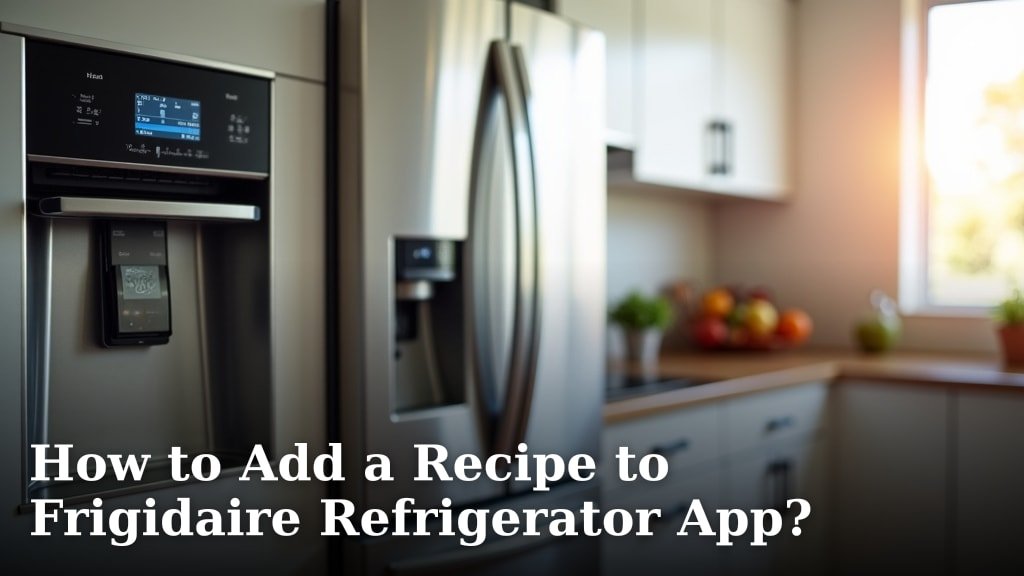
Get Fresh Seasonal Recipe Suggestions from Your Fridge
On this page (10 sections)
- How Smart Fridges Know What You Have
- Getting Recipe Suggestions Based on Your Ingredients
- Seasonal Recipe Features
- Setting Up Recipe Suggestions
- Making the Most of Smart Recipe Features
- Popular Smart Refrigerator Brands and Features
- Troubleshooting Common Issues
- Privacy and Data Considerations
- Future of Smart Kitchen Technology
- Conclusion
Your smart refrigerator can analyze the ingredients you have and suggest fresh seasonal recipes through its built-in apps and internet connectivity.
Modern smart fridges connect to recipe databases and use cameras or inventory tracking to recommend dishes based on what’s actually inside your fridge right now.
How Smart Fridges Know What You Have
Your smart refrigerator uses several methods to track your food inventory. Most high-end models come with internal cameras that take photos every time you close the door.
Some fridges also let you manually add items through their touchscreen or mobile app. You scan barcodes or tell the system what you just bought.
The fridge then creates a digital inventory of your food. It knows you have three apples, some leftover chicken, and milk that expires tomorrow.
Camera Technology Inside Your Fridge
Internal cameras capture wide-angle shots of your shelves. The fridge’s AI analyzes these images to identify food items.
You can view these photos from your phone while grocery shopping. No more wondering if you need more eggs.
Manual Inventory Tracking
Not all smart fridges have cameras. Many rely on you to input what you store inside.
This method takes more effort but gives you complete control. You know exactly what the system tracks.
Getting Recipe Suggestions Based on Your Ingredients
Once your fridge knows what you have, it connects to recipe databases online. Popular apps include Samsung Food, LG ThinQ, and Whirlpool’s mobile app.
These apps match your available ingredients with thousands of recipes. They prioritize dishes that use items about to expire.
The system also considers seasonal availability. In fall, it might suggest pumpkin soup using your stored squash.
Popular Recipe Apps for Smart Fridges
Samsung Food (formerly Whisk) offers over 160,000 recipes. It syncs with Samsung Family Hub refrigerators and suggests meals based on your inventory.
LG ThinQ works with LG InstaView fridges. It connects to recipe services and can even preheat your LG oven for suggested dishes.
Whirlpool’s app pairs with their smart appliances. It creates shopping lists and meal plans using what you already own.
Third-Party Recipe Integration
Many smart fridges also work with popular recipe apps like Yummly, AllRecipes, and Food Network Kitchen.
You connect these apps to your fridge’s ecosystem through your smartphone. The integration lets them access your ingredient list.
Seasonal Recipe Features
Smart refrigerators understand seasonal cooking patterns. They know strawberries peak in summer and root vegetables shine in winter.
Your fridge adjusts recipe suggestions based on the current season and local availability. This helps you eat fresher, cheaper ingredients.
How Fridges Track Seasonal Patterns
The apps connect to agricultural databases and local market information. They know when produce is in season in your area.
Your zip code helps the system understand your local growing season. Tomatoes ripen later in Minnesota than in Florida.
Benefits of Seasonal Cooking
Seasonal ingredients taste better and cost less. Your smart fridge helps you take advantage of these natural cycles.
Research from the USDA shows that in-season produce contains more nutrients. It doesn’t travel as far or sit in storage as long.
You also support local farmers when you buy seasonal items. Your fridge makes this easier by suggesting relevant recipes.
Setting Up Recipe Suggestions
Getting recipe suggestions requires some initial setup. You need to connect your fridge to your home WiFi and download the manufacturer’s app.
Create an account with your fridge’s ecosystem. Samsung uses SmartThings, LG uses ThinQ, and Whirlpool has its own platform.
Initial Configuration Steps
Start by connecting your fridge to WiFi. Use the touchscreen on your appliance or follow instructions in the mobile app.
Next, set up your food preferences. Tell the system about dietary restrictions, allergies, and foods you dislike.
Input your family size and cooking skill level. This helps the fridge suggest appropriate recipes.
Customizing Your Recipe Preferences
Most apps let you filter recipes by cooking time, difficulty, and cuisine type. Want only 30-minute meals? Set that preference.
You can also specify if you prefer vegetarian, gluten-free, or low-sodium options. The fridge remembers these choices.
Connecting to Recipe Services
Link your favorite recipe apps to your fridge’s ecosystem. This gives you access to more recipe options.
Some services require separate subscriptions. Premium features often include personalized meal planning and nutrition tracking.
Making the Most of Smart Recipe Features
Update your inventory regularly for better suggestions. Take photos of new groceries or scan items as you store them.
Rate the recipes you try. This teaches the AI your preferences and improves future recommendations.
Managing Your Digital Pantry
Keep your fridge’s inventory current by removing items as you use them. Many apps let you check off ingredients as you cook.
Set expiration date reminders. Your fridge can alert you when food needs to be used soon.
Inventory Best Practices
Take a few minutes each week to clean up your digital inventory. Remove expired items and add new purchases.
Use the shopping list feature to plan purchases. Your fridge can suggest ingredients for recipes you want to try.
Exploring New Cuisines
Let your fridge introduce you to new flavors. Try the international recipe suggestions that use your existing ingredients.
You might discover that your leftover rice works great in a Korean bibimbap or Italian risotto.
Popular Smart Refrigerator Brands and Features
Several manufacturers offer smart fridges with recipe capabilities. Each has unique features worth considering.
| Brand | Model Line | Key Recipe Features |
|---|---|---|
| Samsung | Family Hub | Internal cameras, Samsung Food app, voice control |
| LG | InstaView | ThinQ app integration, door-in-door design |
| Whirlpool | Smart French Door | Mobile app connectivity, energy monitoring |
| GE | Profile Smart | SmartHQ app, Alexa integration |
Samsung Family Hub Features
Samsung’s Family Hub refrigerators lead in smart recipe technology. Their internal cameras provide clear inventory photos.
The large touchscreen displays recipes and cooking videos. You can even stream music while cooking.
LG InstaView Technology
LG’s InstaView lets you see inside without opening the door. Knock twice on the glass panel to activate interior lighting.
This feature reduces energy waste and helps you check ingredients quickly while following recipes.
Troubleshooting Common Issues
Sometimes your smart fridge might not recognize ingredients correctly. Poor lighting inside the fridge affects camera accuracy.
Clean your camera lens regularly with a soft cloth. Replace LED bulbs if they burn out.
Improving Recipe Accuracy
Arrange food items so camera can see them clearly. Don’t stack containers or hide items behind others.
Use clear storage containers when possible. The AI recognizes ingredients better when they’re visible.
WiFi Connection Problems
Recipe features require stable internet connection. Check your home WiFi signal strength near your refrigerator.
Consider adding a WiFi extender if your kitchen has weak coverage. Smart fridges need consistent connectivity.
Privacy and Data Considerations
Your smart fridge collects data about your eating habits and shopping patterns. Read privacy policies to understand how manufacturers use this information.
Most companies use data to improve recipe suggestions and develop new features. You can usually opt out of data sharing.
Protecting Your Information
Change default passwords on your smart appliances. Use strong, unique passwords for your accounts.
Review app permissions regularly. Only grant access to features you actually use.
Future of Smart Kitchen Technology
Smart refrigerators keep getting smarter. Future models might suggest recipes based on your health goals or dietary needs.
Integration with smart ovens and cooktops could automate more of the cooking process. Your kitchen might cook dinner while you’re at work.
AI Recipe Development
Artificial intelligence will create custom recipes based on your exact ingredients and preferences. No more settling for close matches.
The technology might even adjust recipes for altitude, humidity, and your specific appliances.
Conclusion
Smart refrigerators transform how you discover and prepare meals. They turn your available ingredients into exciting recipe possibilities while helping you eat seasonally.
The technology reduces food waste, saves money, and introduces you to new cuisines. As these appliances become more sophisticated, they’ll make cooking even more convenient and enjoyable.
Start by researching which smart fridge features matter most to you. Consider your cooking habits, family size, and budget when choosing a model with recipe capabilities.
Can smart refrigerators work without internet connection?
Basic refrigeration functions work without internet, but recipe suggestions and inventory tracking require WiFi connectivity. The smart features depend on cloud-based recipe databases and app functionality.
How accurate are smart fridges at identifying ingredients?
Camera-based systems achieve about 80-90% accuracy for common items like fruits, vegetables, and packaged goods. They struggle with similar-looking items or foods in opaque containers.
Do I need to buy specific food storage containers?
No special containers are required, but clear storage helps camera recognition. Standard refrigerator containers work fine with manual inventory entry through mobile apps.
Can multiple family members access the recipe features?
Yes, most smart fridge apps support multiple user accounts. Family members can share shopping lists, rate recipes, and add ingredients from their smartphones.
What happens if the smart fridge software stops being updated?
Basic refrigeration continues working, but smart features may lose functionality over time. Choose established brands with good track records for long-term software support and updates.