Is a Smart Refrigerator Worth It for a Small Apartment?
On this page (7 sections)
For a small apartment, a smart refrigerator might be worth it for convenience and advanced features, but it depends on your budget and priorities. While they offer cool perks like inventory tracking and remote control, their larger size can be a drawback in tight living spaces. Consider if the smart functionalities truly outweigh the potential space limitations and higher cost for your specific needs.
Smart refrigerators are designed to simplify your life. They can help you reduce food waste and make grocery shopping easier. Some models even allow you to see inside your fridge from the store. However, for apartment living, you’ll want to weigh these benefits against their often larger footprint and energy consumption. We found that functionality is key.
- Smart fridges offer convenience, but might be bulky for small spaces.
- Key features include inventory tracking and remote viewing.
- Consider your budget and how much space you have.
- They can help reduce food waste and streamline shopping.
Let’s look at whether a smart refrigerator makes sense for your compact living situation.
Smart Refrigerators for Apartment Living: Are They a Good Fit?
So, you’re living in a cozy apartment and wondering if a smart refrigerator could be your next big kitchen upgrade. It’s a fair question! These fancy fridges come with screens and Wi-Fi, promising to make your life easier. We’ve looked into it, and the answer isn’t a simple yes or no. It really depends on your specific needs and apartment setup.
Understanding What Makes a Fridge “Smart”
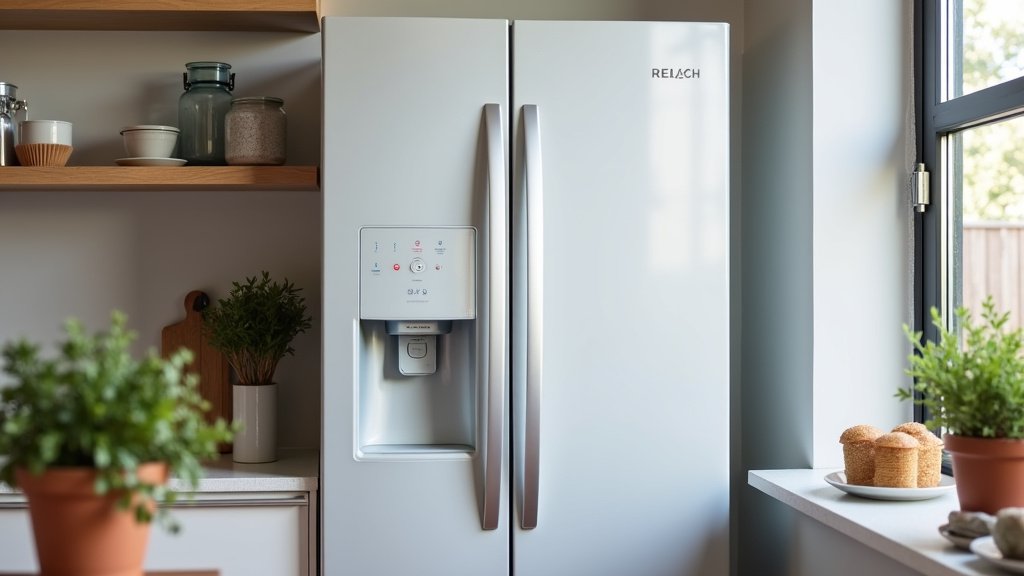
Before we dive into whether it’s worth it for your apartment, let’s quickly recap what “smart” actually means in the fridge world. These aren’t just refrigerators that hum quietly. They often have large touchscreens on the door. These screens can connect to your home Wi-Fi.
You might find features like a built-in calendar, a way to leave notes for family, or even access to streaming music. More advanced models can track the food inside. They can tell you when items are nearing their expiration date. Some even let you see what’s inside through a camera, right from your phone!
Key Smart Features to Consider
- Inventory Management: Some fridges scan items as you put them in. They create a digital list of what you have. This can help you avoid buying duplicates.
- Remote Viewing: Ever stood in the grocery aisle and forgotten if you need milk? A smart fridge can let you peek inside your fridge from your smartphone. It’s like magic!
- Meal Planning and Recipes: Many smart fridges have apps that suggest recipes based on your current ingredients. They can even help you build a shopping list.
- Family Hub Features: Beyond food, they can act as a central point for your family. Think shared calendars, digital photo frames, and even smart home device control.
Space Constraints: The Apartment Fridge Challenge
Apartments, by definition, often mean less space. This is the biggest hurdle when considering a smart refrigerator. Standard refrigerators can already take up a considerable chunk of kitchen real estate. Smart models, with their added screens and tech, are often even larger. We found that many popular smart fridge models are full-sized or even counter-depth, which might not fit your compact kitchen.
Measuring Up: Fridge Dimensions Matter
This is where you’ll need your trusty measuring tape. Before you even look at a smart fridge, measure your designated fridge space carefully. Pay attention to the height, width, and depth. Don’t forget to account for the door swing. You need enough clearance to open the doors fully. This is especially true if your fridge is tucked into a corner or next to a wall.
Many smart refrigerators are 30 to 36 inches wide. Some can be even wider. For a small apartment kitchen, even a “smaller” 30-inch model might feel huge. Some manufacturers offer narrower options, but they can be harder to find, especially in smart varieties. Always double-check the exact dimensions provided by the manufacturer.
Can a Smaller Smart Fridge Work?
While less common, some manufacturers are starting to offer compact smart refrigerators. These might be smaller in width or height. However, they often sacrifice internal storage capacity. You might also find fewer advanced smart features on these smaller units. It’s a trade-off: more space-saving, potentially fewer smart bells and whistles.
The Cost Factor: Smart Fridge vs. Your Budget
Let’s talk money. Smart refrigerators are a significant investment. They typically cost more than their non-smart counterparts. This price difference can range from a few hundred dollars to over a thousand dollars, depending on the brand and features. For an apartment dweller, this extra cost needs careful consideration.
Initial Purchase Price vs. Long-Term Value
You’re not just paying for the screen; you’re paying for the technology, the connectivity, and often, a more premium build. Think about how much you value those smart features. Will the convenience of inventory tracking save you enough money on groceries to offset the higher price over time? Many experts suggest looking at the potential for reducing food waste as a way to recoup some of the cost.
Research indicates that the average household throws away a substantial amount of food each year (USDA). If a smart fridge helps you use up food before it spoils, that’s a direct saving. However, for a single person or a couple in an apartment, the scale of that saving might be smaller than for a larger family.
Energy Consumption: A Hidden Cost?
Smart appliances, like anything with a screen and Wi-Fi, tend to use a bit more energy than their simpler counterparts. While modern smart fridges are designed to be energy-efficient, the constant connectivity and screen usage add to their power draw. We found that the difference might not be astronomical, but it’s something to consider for your electricity bill. Check the Energy Star rating for any model you’re considering.
Practical Benefits for Apartment Dwellers
Despite the space and cost considerations, there are genuine perks to having a smart fridge, even in a small apartment. Let’s explore how they can actually make your life easier.
Reducing Food Waste: A Smart Move
This is a big one for anyone trying to be more economical and eco-friendly. How often do you find forgotten produce lurking in the back of your fridge, well past its prime? Smart inventory tracking can help you keep tabs on everything. You’ll know what you have and what needs to be used up soon. This can lead to less food being thrown away, saving you money and reducing waste.
Streamlining Grocery Shopping
Remember that remote viewing feature? It’s a lifesaver for busy apartment dwellers. No more guessing if you have enough eggs or butter. Just pull up the app on your phone while you’re at the store. Plus, many smart fridges can help you build shopping lists automatically based on what you’re running low on. It makes those quick trips to the grocery store much more efficient.
Kitchen as a Command Center
For some, the kitchen is the heart of the home, even a small apartment kitchen. A smart fridge’s screen can become a central hub. You can check your family’s schedule, leave reminders, or even stream your favorite podcast while you cook. It can make your limited kitchen space feel more functional and connected.
Is a Smart Fridge Truly “Worth It” for Your Apartment? A Checklist
Let’s boil it down. To decide if a smart refrigerator is the right choice for your apartment, ask yourself these questions:
- Do you have adequate space? Measure carefully and ensure a full-sized or counter-depth smart fridge will fit comfortably without making your kitchen feel cramped.
- Is your budget flexible? Smart fridges come with a higher price tag. Can you afford the upfront cost and potentially slightly higher energy bills?
- Will you actually use the smart features? Be honest. Will inventory tracking and recipe suggestions genuinely benefit you, or are they just cool gadgets?
- How important is reducing food waste to you? If this is a priority, a smart fridge could be a helpful tool.
- Do you want a central family hub? If you see value in a digital command center in your kitchen, a smart fridge could serve that purpose.
- Have you researched compact smart models? If space is your primary concern, look for narrower or smaller smart fridge options, but be aware of potential feature limitations.
Conclusion
So, is a smart refrigerator right for your small apartment? We found that it’s a personal decision. If you have the space and budget, the convenience of features like remote viewing and inventory tracking can be a real plus. They can help you reduce food waste and streamline your shopping. However, if space is tight or your budget is limited, a traditional fridge might be a better fit. Measure your space, assess your needs, and consider if the smart benefits truly outweigh the potential drawbacks for your lifestyle before making the upgrade.
Frequently Asked Questions
Can a smart fridge actually fit in a small apartment kitchen?
Yes, but careful measurement is key. Many smart refrigerators are larger, so you’ll need to confirm your kitchen’s dimensions. Some manufacturers offer more compact smart models, though they might have less storage or fewer features. Always double-check the product specifications against your available space.
How much more expensive are smart refrigerators compared to regular ones?
Smart refrigerators typically cost more upfront. This price difference can range from several hundred to over a thousand dollars. Think of it as an investment in added technology and convenience. You’ll want to compare specific models to see the exact cost variations.
Do smart fridges use a lot more electricity?
Smart refrigerators do use slightly more energy than traditional models due to their screens and connectivity. However, many are designed to be energy-efficient, and the difference might not be substantial. Checking for an Energy Star rating on any model you consider can help you find a more efficient option.
Will a smart fridge help me save money on groceries?
Potentially, yes. Features like inventory tracking can prevent duplicate purchases and help you use food before it spoils, which reduces waste and saves money. Remote viewing also helps you avoid unnecessary impulse buys at the store. The amount saved will depend on your current shopping habits.
What if I don’t use all the smart features? Is it still worth it?
If you find you’re not using the advanced features, the higher cost might not be justified for you. However, even basic smart features like a digital note pad or calendar can add convenience. Your decision should be based on which features you anticipate using most often and if they align with your priorities for a refrigerator.