Is It Safe to Use a Non-oem Water Filter?
On this page (8 sections)
- The Safety of Non-OEM Water Filters: What You Need to Know
- Understanding Certifications: Your Best Guide to Safety
- Comparing OEM vs. Non-OEM Filters: What’s the Real Difference?
- Key Considerations When Choosing a Non-OEM Filter
- Your Checklist for a Safe Non-OEM Water Filter Purchase
- When to Consider Sticking with OEM Filters
- Conclusion
- Frequently Asked Questions
Yes, it can be safe to use a non-OEM water filter, but you need to be careful. Many aftermarket filters work just as well as, or even better than, the original. Always check that a non-OEM filter is certified by independent organizations.
You’re probably wondering if you can save money without sacrificing water quality. Good news! Many third-party filters offer great value. We found that these options often provide comparable filtration. Just make sure they fit your appliance correctly.
- Non-OEM filters can be safe and cost-effective.
- Always look for independent certifications (e.g., NSF/ANSI).
- Ensure the filter is compatible with your specific appliance model.
- Performance can be similar to or even better than OEM filters.
Ready to dive deeper? Let’s walk through everything you need to know about choosing the right non-OEM water filter for your home.
The Safety of Non-OEM Water Filters: What You Need to Know
You’re right to be concerned about the water your family drinks. When considering non-OEM (Original Equipment Manufacturer) filters, safety is paramount. The good news is that many third-party filters are just as safe as their brand-name counterparts, provided they meet specific standards.
We found that the key differentiator isn’t who made the filter, but rather if it’s been independently tested and certified. This step ensures it performs as promised, protecting you from common contaminants.
Understanding Certifications: Your Best Guide to Safety
How do you know if a non-OEM filter is safe? Look for certifications. These are your proof that a filter has been tested against industry standards. Without them, you’re taking a gamble on your water quality.
The most important certifications come from organizations like NSF International (formerly the National Sanitation Foundation) and the Water Quality Association (WQA). These groups set benchmarks for health and safety.
NSF/ANSI Standards Explained
When you see “NSF/ANSI” followed by a number, it means the filter has passed specific tests for performance and material safety. Each standard addresses different aspects of water filtration.
For example, NSF/ANSI 42 focuses on aesthetic contaminants like chlorine, taste, and odor. It makes your water more pleasant to drink. On the other hand, NSF/ANSI 53 covers health-related contaminants such as lead, cysts, and VOCs (volatile organic compounds).
If a filter boasts NSF/ANSI 401, it’s designed to reduce emerging contaminants. This includes some pharmaceuticals and pesticides. Always check which standards a filter meets based on your specific water concerns.
WQA Certifications
The Water Quality Association (WQA) also offers robust certification programs. Their Gold Seal program is widely recognized. It ensures that products meet or exceed industry standards for safety and performance.
Like NSF, WQA certifies filters for various contaminant reductions. They also check that the filter materials themselves won’t leach harmful substances into your water. This provides another layer of assurance for you.
Why Third-Party Certification Matters So Much
Imagine buying food without a nutrition label. It would be hard to know what you’re getting, right? Certifications are like nutrition labels for water filters. They tell you exactly what the filter is designed to remove and that it’s been verified by an impartial third party.
Without certification, a manufacturer could claim anything. Independent testing holds them accountable. It removes doubt and helps you make an informed decision for your family’s health.
Comparing OEM vs. Non-OEM Filters: What’s the Real Difference?
You might wonder if OEM filters are inherently better. Not necessarily. While OEM filters are guaranteed to fit and work with your appliance, many non-OEM filters offer comparable performance and savings.
The main difference often comes down to branding and price. OEM filters often carry a premium price tag. Non-OEM filters, sometimes called “aftermarket” or “compatible” filters, are produced by other companies but designed to function just like the original.
Performance and Filtration Capabilities
Our research indicates that a certified non-OEM filter can perform identically to an OEM filter. We found that many third-party manufacturers invest heavily in R&D to meet or exceed OEM specifications, especially concerning contaminant reduction.
The key here is certification. If both an OEM filter and a non-OEM filter are certified to the same NSF/ANSI standards (e.g., 42 and 53), you can expect similar filtration results. They’ve both passed the same rigorous tests.
Cost Savings Without Compromising Quality
One of the biggest reasons people consider non-OEM filters is the cost. You can often save a significant amount of money. Over the lifespan of an appliance, these savings can really add up.
We’ve seen that many non-OEM filters are priced much lower, sometimes half the cost of their OEM counterparts. This makes regular filter changes more affordable, which is crucial for maintaining water quality. Skipping filter changes to save money actually costs you more in the long run with decreased water quality.
Key Considerations When Choosing a Non-OEM Filter
So, you’ve decided to explore non-OEM options. Smart choice! But how do you pick the right one? It’s more than just finding the cheapest option. You need to ensure compatibility, proper fit, and the right certifications.
Think of it like buying shoes. You need the right size, style, and quality for your needs. A filter is similar – it needs to fit your specific appliance and meet your water quality requirements.
Compatibility and Fit: Essential for Proper Function
A filter won’t work if it doesn’t fit. Before buying any non-OEM filter, double-check its compatibility with your appliance model. Most filter packaging or product descriptions will list compatible refrigerator or pitcher models.
An improper fit can lead to leaks or inefficient filtration. If water bypasses the filter, you’re not getting the clean water you expect. Always compare the non-OEM filter’s model number to your appliance’s required filter type.
- Check your appliance manual: It will specify the exact filter model.
- Match filter numbers: Ensure the non-OEM filter explicitly states compatibility with your OEM filter number.
- Read reviews about fit: Sometimes, user reviews can highlight fit issues even if a filter claims compatibility.
Read Reviews and Manufacturer Reputation
Once you’ve narrowed down your choices by certification and compatibility, look at what other customers are saying. Online reviews can provide valuable insights into a filter’s real-world performance, ease of installation, and durability.
Look for consistent positive feedback regarding water taste, flow rate, and lack of leaks. Also, consider the manufacturer’s reputation. Do they specialize in water filtration? Do they offer customer support?
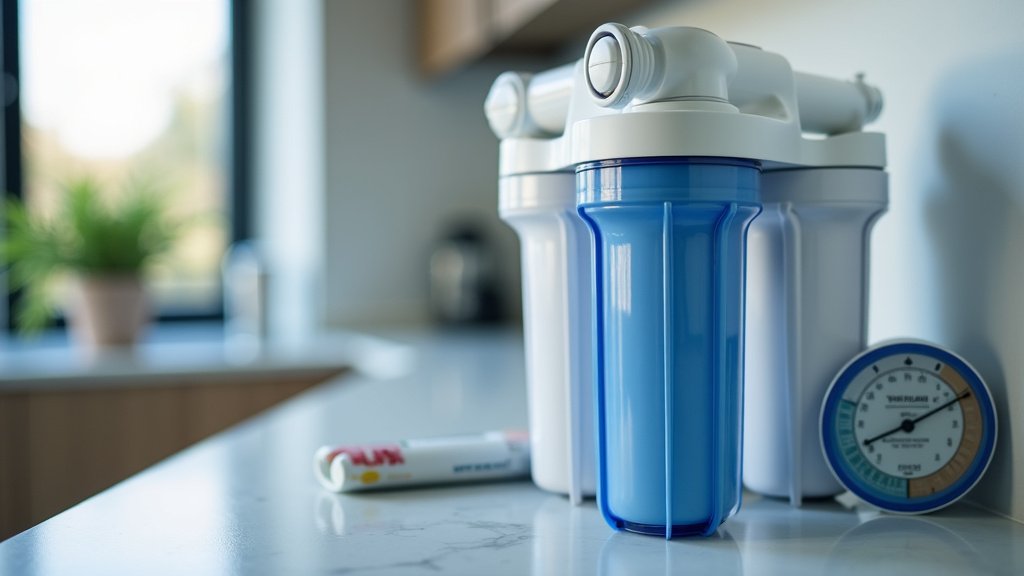
Your Checklist for a Safe Non-OEM Water Filter Purchase
Ready to make a smart choice? Use this quick checklist to guide your purchase. It covers the most important points we’ve discussed to ensure you get a safe and effective non-OEM filter.
Following these steps will help you confidently choose a non-OEM filter that protects your water and saves you money. Don’t skip any steps, especially the certification check.
- Verify NSF/ANSI or WQA certification for relevant standards (e.g., 42, 53, 401).
- Confirm exact compatibility with your appliance’s model number.
- Check user reviews for feedback on fit, leaks, and water quality.
- Compare filtration capabilities (what contaminants it removes) with your needs.
- Ensure the manufacturer has a good reputation and customer support.
When to Consider Sticking with OEM Filters
While non-OEM filters are often a great choice, there are a few situations where sticking with the original manufacturer’s filter might be advisable. It’s about weighing your peace of mind against potential savings.
Sometimes, appliance warranties specify using only OEM parts. If your appliance is new and under warranty, verify that using a non-OEM filter won’t void it. This is a rare occurrence but worth checking.
Also, if you have highly unusual or very specific water quality issues not covered by common certifications, an OEM filter might have proprietary technology designed for that particular challenge. For most household water, however, certified non-OEM filters are perfectly adequate.
| Feature | OEM Filter | Certified Non-OEM Filter |
|---|---|---|
| Compatibility | Guaranteed perfect fit | Generally good, but verify carefully |
| Certifications | Often certified (check labels) | Must have (look for NSF/WQA) |
| Cost | Higher price point | Significantly lower cost |
| Performance | Excellent, meets specs | Excellent, meets same standards |
| Warranty Impact | No risk to appliance warranty | Rarely, but check appliance warranty |
Conclusion
You now have the knowledge to confidently choose a non-OEM water filter. We found that safety and performance don’t have to be sacrificed for savings. Always prioritize
independent certifications like NSF/ANSI or WQA to ensure genuine filtration capabilities. Verify compatibility, read reviews, and understand your water needs.
Making an informed decision means your family can enjoy clean, great-tasting water without breaking the bank. Go ahead, choose wisely, and enjoy the benefits of a certified, cost-effective filter.
Frequently Asked Questions
Will a non-OEM filter void my appliance warranty?
It’s rare, but some appliance manufacturers might claim a non-OEM filter voids the warranty. We recommend checking your appliance manual or warranty details to be sure. Most warranties focus on defects in manufacturing, not the brand of consumables.
How often should I change a non-OEM water filter?
You should change a non-OEM filter as often as you would an OEM filter. Most manufacturers recommend changing filters every six months, or when your appliance’s indicator light comes on. Regular changes ensure continued effective filtration.
Can a non-OEM filter cause my water dispenser to leak?
A non-OEM filter should not cause leaks if it’s the correct model and installed properly. Leaks often happen due to incorrect fit or improper installation. Always double-check compatibility and follow the installation instructions carefully.
Do all non-OEM filters remove the same contaminants?
No, not all non-OEM filters remove the same contaminants. Just like OEM filters, their capabilities vary based on their design and certifications. Always check the specific NSF/ANSI standards the filter meets to understand what it’s certified to remove.
Is there a noticeable taste difference with a non-OEM filter?
If a non-OEM filter is certified to NSF/ANSI 42, it will reduce aesthetic impurities like chlorine, just like an OEM filter. You should not notice a taste difference if both filters meet the same standards. Many users report comparable or even improved taste.