Vacuum Sealer vs Ziploc Bags: Which Works Better? (November 2026)
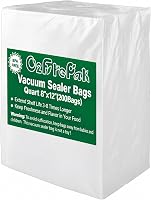
A vacuum sealer removes air for longer freezer storage, while Ziploc bags win for price and daily use. In this vacuum sealer vs ziploc bags comparison, choose vacuum sealing for bulk meat and meal prep, and choose zipper bags for snacks, produce and quick leftovers.
On this page (12 sections)
- Vacuum sealer vs Ziploc bags: the quick verdict
- The two sides by side
- Freshness and freezer life
- Cost and ongoing expense
- Ease of use and daily speed
- Space, portability and storage
- Which suits meat and bulk buying?
- Which suits leftovers, produce and snacks?
- Bag types, sizes and reusability
- Cleaning, care and food safety
- Who should buy which?
- The verdict on vacuum sealer vs Ziploc bags
A vacuum sealer removes air for longer freezer storage, while Ziploc bags win for price and daily use. In this vacuum sealer vs ziploc bags comparison, choose vacuum sealing for bulk meat and meal prep, and choose zipper bags for snacks, produce and quick leftovers.
The gap comes down to air. A vacuum sealer pulls air out and heat seals the bag, so food has less contact with oxygen in the freezer.
A Ziploc bag traps some air even when you press it flat, so freshness fades faster.
That does not make zipper bags a poor choice. They are cheap, fast and easy to reuse for the foods you eat this week.
Our score weighs specs, features and buyer feedback against what you are shopping for.
 Best for compact vacuum sealing
Chef Preserve Compact Vacuum Sealer for Food

Vacuum sealer vs Ziploc bags: the quick verdict
Pick a vacuum sealer for months of freezer life and pick Ziploc bags for days to weeks of fridge storage. The best choice depends on how long you plan to keep the food.
FoodSaver says meat preserved with its system in the freezer can last up to 3 years and still taste fresh, flavorful and freezer burn free. Ziploc Gallon Freezer Bags help prevent freezer burn for up to 12 weeks, tested on ground beef.
That time gap matters most for expensive food. A roast, a bulk pack of chicken or a pot of soup is worth the extra step.
A handful of cheese cubes or a sandwich is not.
For a first machine, a food vacuum sealer guide helps you match size, bag cost and counter space to your habits. If you rarely freeze food for more than a month, a sealer may sit unused.
The two sides by side
Vacuum sealers win on freshness and freezer life, while Ziploc bags win on cost, speed and simplicity. Neither option is better for every food.
| Use | Vacuum sealer | Ziploc bags |
|---|---|---|
| Freezer life | Months, up to 3 years for meat with FoodSaver system | Up to 12 weeks freezer burn protection on ground beef |
| Fridge life | Weeks for prepped meals and produce | Days to weeks, depending on food |
| Upfront cost | Machine plus bags or rolls | Bags only, no machine |
| Daily speed | Slower, needs sealing cycle | Fast slider or zipper close |
| Best foods | Meat, fish, soups, bulk packs | Snacks, produce, sandwiches, leftovers |
Vacuum sealing also changes texture and appearance. Food pressed flat can look more compressed, and liquids need care so they do not interfere with the seal.
Zipper bags keep food shape and let you open, take some out and reseal in seconds.
Consider what you store most often. Households that freeze bulk meat gain the most from a sealer.
Households that pack lunches and store produce gain the most from slider bags.
Freshness and freezer life
Vacuum sealing extends freezer life because it removes air that causes freezer burn. Air left in a zipper bag lets ice crystals and oxidation damage surface flavor over time.
FoodSaver says prepped meals, leftovers and produce stored in the fridge will stay fresh up to weeks later instead of spoiling in days. That claim applies to its vacuum sealing system, not to a regular zipper bag pressed by hand.
Ziploc freezer bags use 9 Point Protection and a thicker design to fight freezer burn. The brand says they help prevent freezer burn for up to 12 weeks on ground beef.
That is solid protection for short to medium freezer runs.
For fridge storage, the difference narrows. Both methods slow drying and odor spread.
A vacuum sealed bag holds tighter, which helps with marinated foods and strong smelling leftovers.
If you use specialized storage zones in your fridge, keep vacuum sealed packs for longer fridge stays and zipper bags for foods you will use soon. Label everything with the date and food type.
Cost and ongoing expense
Ziploc bags cost less to start and less per use, while vacuum sealers cost more upfront but can save expensive food. Your savings depend on how much food you freeze and for how long.
A zipper bag needs no machine, no power and no learning curve. You can store food as soon as you buy the pack.
That makes bags the budget pick for light use.
A vacuum sealer adds a machine, bags or rolls, and sometimes extra accessories. FoodSaver V4400 includes an 11 inch by 10 foot roll, 3 quart seal bags, 2 gallon seal bags, 3 quart zipper bags and 2 gallon zipper bags in the starter kit.
Reusable systems change the math. Chef Preserve includes 30 reusable vacuum bags, 15 small and 15 medium, grouped into 3 packs of 10.
Those bags are dishwasher, freezer, refrigerator and microwave safe, so you wash and reuse them instead of buying rolls each time.
Think in terms of waste, not just price. If a sealer saves one bulk meat pack from freezer burn, it may pay for its consumables faster than a box of bags.
If you freeze little, bags will stay ahead.
Ease of use and daily speed
Ziploc bags are faster for everyday storage, while vacuum sealers take more steps but seal more tightly. Speed matters when you are packing lunches or putting away groceries.
Ziploc Slider Storage Bags use a slider closure that is easy to open and close. Their expandable bottom makes filling easier, and Power Shield Technology makes the film tough against punctures and tears.
Chef Preserve seals in less than 5 seconds per bag and shuts off automatically. You press the button, the device vacuums the bag and the cycle ends on its own.
That is quick for a handheld system, but you still need to place food in the right bag.
FoodSaver V4400 uses automatic bag detection, so you put the bag in the vacuum chamber and the machine does the rest. Built-in roll storage and a cutter let you make custom sized bags to fit what you seal.
Learn the basic steps before you buy. Our guide on how to use vacuum sealer bags explains placement, sealing and storage in plain steps.
Practice with dry goods first so you can see a good seal.
Space, portability and storage
A handheld vacuum sealer is the most portable option, while a countertop sealer needs dedicated space. Zipper bags need the least space of all.
Chef Preserve is handheld, battery powered and wireless. The brand says one battery charge is enough to vacuum seal 1,000 bags.
That makes it useful for travel, RVs, camping and outdoor adventures.
The same device is about the size of a pepper grinder, according to Chef Preserve. It weighs 2.2 pounds and includes a charging cable, vacuum bags and a zipper clip.
Old-fashioned countertop sealers take more cabinet and counter space.
FoodSaver V4400 weighs 10 pounds and measures 11 by 20 by 12 inches. It is a 2-in-1 system with a handheld sealer for zipper bags, containers and canisters, plus a standard chamber for rolls and pre-made bags.
Ziploc bags fold flat in a drawer. A 104 count pack of slider bags or a 132 count pack of freezer bags takes far less room than any machine.
If storage space is your main limit, bags win.
Which suits meat and bulk buying?
Vacuum sealers suit meat best because meat is expensive and freezer burn ruins flavor fast. Zipper freezer bags are a good second choice for shorter storage.
FoodSaver says meat preserved with its system in the freezer can last up to 3 years and still taste fresh. That long window helps when you buy a large pack and portion it over months.
Our picks for best vacuum sealer bags for meat focus on thickness, seal strength and size for steaks, ground beef and chicken. Larger gallon bags fit family packs without cutting food into smaller pieces.
Ziploc Gallon Freezer Bags help prevent freezer burn for up to 12 weeks on ground beef. Their stand-up bottom makes filling easier, and the fold line helps you create a flat pack for stacking.
Do not reuse Ziploc bags after storing raw meat, fish, eggs or potentially allergy-triggering foods. The brand advises hand-washing and air-drying for reuse with other foods, but meat is a clear exception.
Which suits leftovers, produce and snacks?
Ziploc bags suit snacks, produce and short-term leftovers because you can open and reseal them in seconds. Vacuum sealing is better for leftovers you will freeze for months.
Slider bags are made for food, sandwiches, organization and more. The gallon size holds up to 16 ounces, and the square shape helps bags stand in a fridge door or lunch bag.
Reusable vacuum bags also work for leftovers, and Chef Preserve says they are suitable for meat, fish, vegetables, fruits, dry goods, pizza, cooked food and leftovers. The bags are odor-free and leak-proof, and they preserve flavor, nutrition and texture, according to the brand.
Fridge temperature zones matter too. Smart Fridge Cooling Zones can help you keep produce, dairy and leftovers at steady temps.
Pair that with dated bags and you will waste less food.
For dry goods such as rice, beans or nuts, either method works. A vacuum bag keeps pantry food tighter, while a slider bag lets you scoop a portion without resealing a tight vacuum pack.
Bag types, sizes and reusability
Choose bag size around the food you store, not around the bag count on the box. A gallon bag is not always the best fit.
Ziploc slider bags in this comparison are gallon size with 104 total bags across 4 packs of 26. Ziploc freezer bags are also gallon size with 132 total bags in a 2-pack of 66.
Both fit large portions, but small snacks may need folding or a smaller bag.
Chef Preserve includes 30 bags total, with 15 small and 15 medium. That mix suits single portions and small leftovers, but it will not match a gallon freezer bag for a whole roast.
FoodSaver V4400 gives you more options. The starter kit includes quart and gallon seal bags, plus quart and gallon zipper bags.
The machine also works with FoodSaver 8 inch and 11 inch rolls, so you can cut custom sizes.
Decide between vacuum sealer bags or rolls based on your food shapes. Pre-made bags are faster for standard portions.
Rolls are better for long items, odd shapes and exact portioning.
Cleaning, care and food safety
Wash reusable bags, wipe machines and follow reuse limits for raw meat. Good care keeps both systems safe and effective.
Chef Preserve bags are dishwasher safe, so you can wash them and reuse them. The brand says the bags are BPA-free and safe for dishwasher, freezer, refrigerator and microwave use.
Ziploc slider bags are reusable after hand-washing and air-drying, following product usage instructions. Ziploc freezer bags are also reusable, but the brand does not recommend reuse after raw meat, fish, eggs or potentially allergy-triggering foods.
FoodSaver V4400 has a patented removable drip tray that catches overflow liquid and is dishwasher safe. Automatic moisture detection switches to the correct mode to help achieve an airtight seal on wet foods.
Keep raw meat separate from ready-to-eat foods in the fridge. Use clean bags each time for raw meat, and wash hands and surfaces after handling it.
When in doubt, use a fresh bag.
Store sealed food at safe fridge and freezer temps, and discard food that smells off, looks slimy or has been stored too long. Vacuum sealing slows spoilage, but it does not make old food safe again.
Who should buy which?
Buy a vacuum sealer if you freeze expensive food for months, and buy Ziploc bags if you store food for days or a few weeks. Your habits should drive the pick.
Choose the Chef Preserve Compact Vacuum Sealer if you want portable, reusable vacuum sealing without a large machine. It suits small kitchens, RVs and people who freeze single portions.
Choose the FoodSaver V4400 if you buy meat in bulk, make custom sized bags and want automatic moisture detection. The best foodsaver vacuum sealer guide can help you compare FoodSaver models before you commit.
Choose Ziploc Slider Storage Bags if you pack lunches, store produce and want a fast slider closure. The 104 count pack suits busy households that go through bags quickly.
Choose Ziploc Gallon Freezer Bags if you freeze food for up to 12 weeks and want stand-up filling without a machine. They are a strong pick for soups, vegetables and moderate meat packs.
Many households use both. A sealer handles bulk meat and freezer meals, while slider bags handle daily fridge storage and snacks.
The verdict on vacuum sealer vs Ziploc bags
Vacuum sealers win for long freezer life, Ziploc bags win for cost and daily ease, and many kitchens will use both. That split is the clearest answer in this vacuum sealer vs ziploc bags comparison.
Pick a vacuum sealer when you freeze meat, fish, soups or meal prep for months. FoodSaver's system is built for that long storage, with custom rolls and automatic detection.
Pick Ziploc bags when you need fast, low-cost storage for produce, sandwiches and leftovers you will eat soon. Slider bags and freezer bags solve those jobs with no machine to store or charge.
Start with your most stored food. If it is bulk meat, vacuum sealing will save more than it costs.
If it is everyday fridge food, zipper bags will serve you better.
Next, match bag size to portion size. Our guide to best vacuum sealer bags for food helps you choose sizes before you buy a machine or a big pack of bags.
That step prevents waste and makes either choice work harder for you.
Frequently asked questions
Is a vacuum sealer better than Ziploc bags?
A vacuum sealer is better for long freezer storage because it removes air that causes freezer burn and oxidation. Ziploc bags are better for daily use because they cost less per bag, need no machine, and open and close faster for snacks and produce.
Can Ziploc bags keep food fresh as long as vacuum sealed bags?
No. Ziploc freezer bags help prevent freezer burn for up to 12 weeks on ground beef, while FoodSaver says meat preserved with its system in the freezer can last up to 3 years and still taste fresh.
Vacuum sealing removes more air, so food stays protected longer.
Should I buy a vacuum sealer or just freezer bags?
Buy a vacuum sealer if you freeze meat, soups or meal prep for months and want custom bag sizes. Buy freezer bags if you freeze food for a few weeks, need low upfront cost, or want stand-up bags you can fill and seal in seconds.