Why Is My Bosch Refrigerator Leaking Water?
On this page (5 sections)
Your Bosch refrigerator is leaking water because of a clogged defrost drain, a cracked or disconnected water line, or a faulty water inlet valve. These are the most common culprits behind a soggy kitchen floor. Addressing these issues promptly can save your appliance from further damage.
A leaking Bosch fridge can be a real nuisance, leaving you with puddles and a potential mess. We found that understanding the likely causes helps you pinpoint the problem faster. It’s often a simple fix, but sometimes it points to a more serious component failure that needs expert attention. Your appliance’s good health is our priority.
- A blocked defrost drain is the usual suspect.
- Check for a damaged water line to your ice maker.
- The water inlet valve might be the source of the leak.
- Loose parts or poor installation can also cause drips.
- Sometimes, a simple cleaning resolves the issue.
Let’s figure out why your Bosch refrigerator is leaking water and how to get it fixed.
Troubleshooting Your Leaky Bosch Refrigerator
It can be frustrating when your Bosch refrigerator starts to leak water. You might be wondering what went wrong and how to fix it. We’ve found that most leaks stem from a few common issues. Let’s walk through them together.
Understanding the Common Causes of Refrigerator Leaks
A leak usually means something isn’t working as it should. It’s like a tiny alarm bell from your appliance. You want to address it quickly. This helps prevent bigger problems and keeps your kitchen dry and safe.
The Clogged Defrost Drain: The Usual Suspect
This is the most frequent reason for water pooling. Your refrigerator has a defrost system. It melts frost buildup periodically. This melted water then flows down a drain tube. If this tube gets blocked, the water backs up. It then spills inside your fridge or freezer. We see this often with many brands, including Bosch. If your Bosch has an ice maker, check the water line to your ice maker for issues.
What is the Defrost Drain?
Inside your freezer, there’s a hidden heater. This heater turns on for short periods. It melts away any ice that forms on the cooling coils. This prevents a thick layer of ice from building up. The water from this melting process needs somewhere to go.
How Does it Get Clogged?
Food particles, ice chips, and other debris can fall into the drain. Over time, these can form a blockage. It’s like a sink drain getting clogged with hair. Small things add up. When the drain is blocked, the water has nowhere to escape. It then finds its own way out, usually onto your floor.
Signs of a Clogged Defrost Drain
You might notice a pool of water at the bottom of your freezer. Sometimes, it can even leak into the refrigerator compartment below. You may also see ice forming around the back panel of your freezer. This is a strong indicator that water isn’t draining properly.
Simple Fixes for a Clogged Drain
Often, you can clear this blockage yourself. You’ll need to locate the drain hole. It’s usually at the bottom of the freezer compartment, behind a panel. You can try using a turkey baster with warm water to flush it. Some people use a flexible wire or pipe cleaner. Be gentle! You don’t want to damage anything. If you’re uncomfortable, it’s best to call a technician.
Water Line Issues: For Refrigerators with Ice Makers and Water Dispensers
If your Bosch has an ice maker or a water dispenser, there’s a water line connected to it. This line brings water into your fridge. Any problems with this line can cause leaks. We’ve found that these are the next most common culprits after a clogged drain. If your Bosch has an ice maker or dispenser, inspect the water line connected to it.
Cracked or Damaged Water Lines
The water supply line is often made of plastic tubing. It can become brittle over time. It might get kinked or crushed. Even a tiny crack can result in a slow drip or a steady stream of water. You’ll want to inspect this line from the wall connection all the way to the refrigerator.
Loose Connections
Sometimes, the fittings that connect the water line to the fridge are not secure. This can happen during installation or if the fridge is moved. A loose connection is an easy source of leaks. Just a slight looseness can let water escape. Check all the points where the line connects.
The Water Inlet Valve
This is a small component. It controls the flow of water into your refrigerator. It opens when the ice maker needs to fill or when you use the dispenser. If this valve fails, it can leak. It might leak constantly or only when it’s supposed to be supplying water.
How to Check Your Water Line
First, locate the water line behind your refrigerator. See if there are any visible cracks or kinks. Feel around the connections for any dampness. If you find a leak here, you’ll likely need to replace the line or tighten the connections. For the water inlet valve, if it appears to be leaking, replacement is usually needed.
Other Less Common Causes
While the defrost drain and water line are the top suspects, other issues can also lead to leaks. These are less common but worth knowing about.
The Drip Pan
Your refrigerator has a drip pan. It’s located underneath the appliance. Its job is to catch any small leaks or condensation. If this pan cracks or overflows, you’ll see water on the floor. This can happen if the drip pan isn’t draining properly or if there’s a larger internal leak it can’t handle.
Faulty Door Seals
Though less likely to cause a large puddle, bad door seals can contribute to moisture problems. If the seals are worn or damaged, warm, moist air can enter the fridge. This can cause excessive condensation. This condensation might then drip and form small puddles, especially around the base.
Condensation Issues
Sometimes, high humidity in your kitchen can cause condensation to form on the exterior of the fridge. This can drip down. It might seem like an internal leak, but it’s just moisture from the air. Ensuring your fridge isn’t placed too close to a heat source can help.
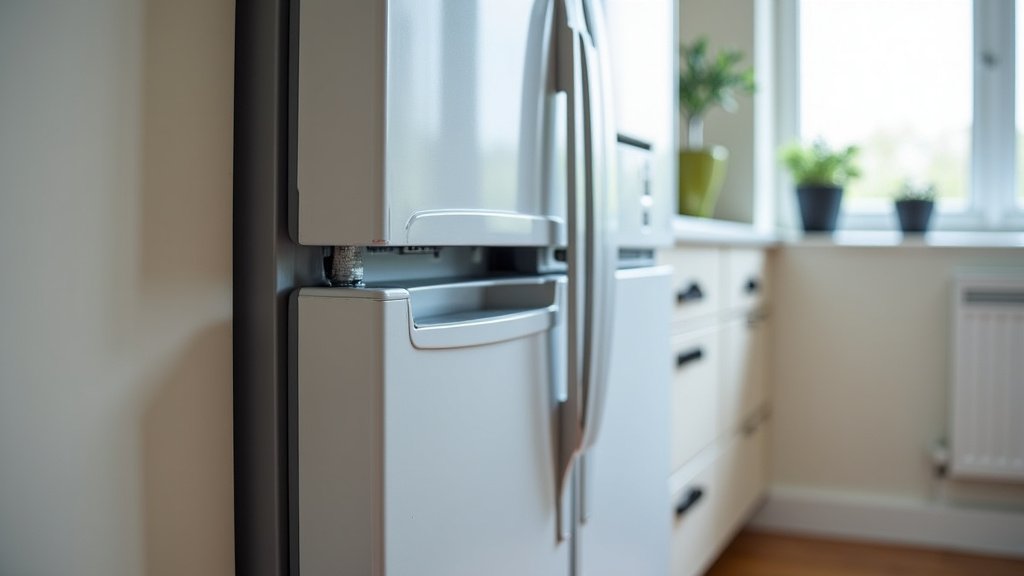
A Quick Checklist for Your Bosch Refrigerator Leak
Here’s a handy list to help you get started on troubleshooting:
- Check the floor area: Where is the water appearing? Inside? Outside? Front? Back?
- Inspect the defrost drain: Look for blockages or ice buildup.
- Examine the water line: Check for cracks, kinks, or loose connections.
- Look at the drip pan: Is it damaged or overflowing?
- Test the ice maker/dispenser: Do they function correctly? Any strange noises?
- Feel the door seals: Are they snug and free of damage?
By systematically going through these points, you can often identify the source of the leak. Many times, a simple fix can get your Bosch refrigerator back to its dry, happy self. If you’re unsure at any step, remember that professional help is always an option.
Conclusion
You’ve learned that a Bosch refrigerator leak often points to a clogged defrost drain or issues with its water line. Sometimes, a simple cleaning can solve the problem. Other times, a component like the water inlet valve may need replacing. We’ve seen that understanding these common causes empowers you to act. Checking the floor and inspecting visible parts can help you identify the leak’s origin. If you’re unsure or uncomfortable with the repair, don’t hesitate to call a Bosch appliance professional. Getting your fridge back in working order is our main goal.
Frequently Asked Questions
How do I know if my Bosch refrigerator’s defrost drain is clogged?
You’ll likely see a pool of water at the bottom of your freezer or refrigerator compartment. Ice buildup around the back panel of the freezer is another strong indicator. This suggests water isn’t draining away properly after the defrost cycle.
Can I fix a clogged defrost drain myself?
Yes, often you can! Locate the drain hole, usually at the bottom of the freezer. Try flushing it with warm water using a turkey baster or a flexible wire. Just be gentle to avoid damaging internal components. If you’re hesitant, a technician can handle it.
What should I do if I find a crack in my Bosch refrigerator’s water line?
If you spot a crack or kink in the water line, it needs immediate attention. For minor leaks or loose connections, tightening them might suffice. However, a cracked line usually requires replacement. You can often purchase replacement lines at appliance parts stores.
My Bosch refrigerator is leaking, but I don’t have an ice maker or water dispenser. What could be the cause?
If you don’t have water-dispensing features, the leak is most likely due to a clogged defrost drain. The water from the defrost cycle is backing up and spilling out. Also, check the drip pan underneath the refrigerator for damage or overflow.
How often should I check my Bosch refrigerator’s water line and drain?
Regular checks aren’t strictly necessary unless you notice a problem. However, it’s good practice to inspect the water line connection point periodically, especially if you move the refrigerator. Flushing the defrost drain annually can help prevent clogs.