Why Is My Ge Profile Refrigerator Leaking Water?
On this page (6 sections)
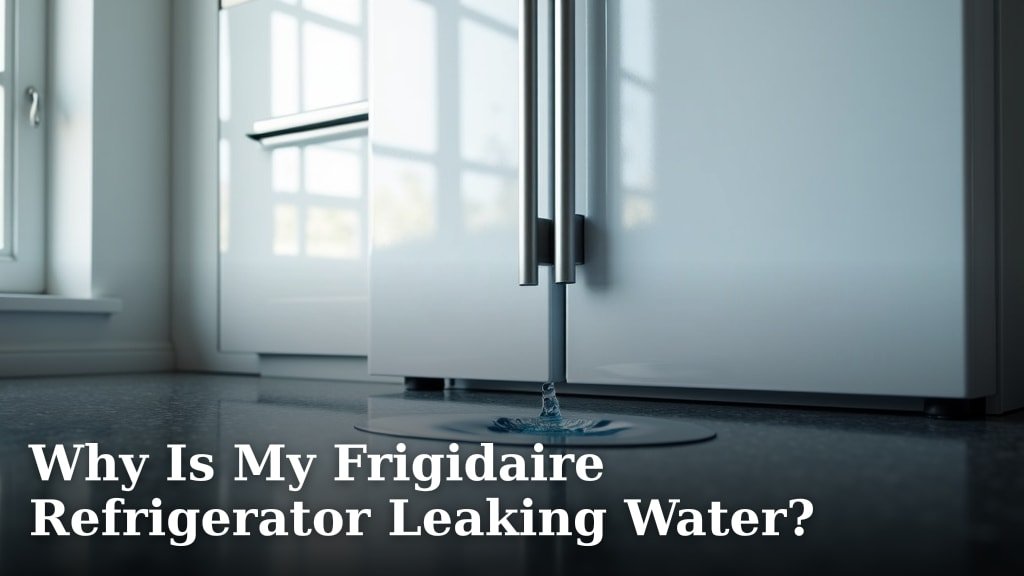
Your GE Profile refrigerator is likely leaking water because of a clogged defrost drain, a cracked or disconnected water line, or a faulty water inlet valve. These are the most common culprits when your fridge starts pooling water. Don’t worry, these issues are often fixable without a service call.
Understanding why your appliance is acting up helps you prevent further damage. A persistent leak can lead to water damage on your floors and even mold growth. We’ve researched common GE Profile refrigerator issues and found that these problems are fixable with a little DIY effort.
- Clogged defrost drain is a frequent offender.
- Check water supply lines for cracks or loose connections.
- A faulty water inlet valve can also cause leaks.
- Simple fixes can often resolve the problem.
Below, we’ll break down the most common reasons your GE Profile refrigerator might be leaking water and guide you through how to address them.
Troubleshooting Your Leaky GE Profile Refrigerator
It can be quite a shock to find a puddle of water near your GE Profile refrigerator. You’re probably wondering, “Why is my GE Profile refrigerator leaking water?” Don’t panic! We’ve researched common issues, and most leaks stem from a few key areas that you can often address yourself. Getting to the bottom of this leak is important to prevent water damage and keep your appliance running smoothly.
The Usual Suspects for Refrigerator Leaks
When water appears where it shouldn’t, it’s usually a sign of a specific problem. We found that the most frequent culprits are related to the refrigerator’s water system or its cooling process. Let’s break down the likely causes and how you can identify them.
1. The Clogged Defrost Drain: A Common Culprit
Your refrigerator has a defrost system that prevents ice buildup. This system includes a drain that carries away melted ice. If this drain gets blocked, water can back up and eventually leak out, often into your freezer or the bottom of the fridge compartment. This is a very common issue across many refrigerator brands, including GE Profile models.
How to Identify a Clogged Defrost Drain
You might notice an unusual amount of frost in your freezer. Sometimes, water will pool at the bottom of the refrigerator compartment or even inside the freezer itself. If you see ice forming around the back wall of the freezer, it’s a strong indicator. We found that this blockage is usually caused by food particles or ice.
Clearing the Defrost Drain
First, you’ll likely need to unplug your refrigerator for safety. Then, empty your freezer and refrigerator compartments. You might need to remove shelves and drawers to get better access. Locate the defrost drain opening, often found at the bottom of the freezer compartment or behind a panel. We found that a thin, flexible object like a pipe cleaner or a piece of stiff wire can help gently dislodge the clog. Some people even use a turkey baster with warm water to try and melt the ice blockage. For more stubborn clogs, you might need to remove a rear panel inside the freezer to access the drain tube directly. Patience is key here; you don’t want to damage anything.
2. Issues with the Water Supply Line
If your GE Profile refrigerator has an ice maker or a water dispenser, it uses a water supply line. This line brings water into your fridge. If this line is damaged or its connections are loose, you’ll likely see water pooling. This leak might appear underneath the refrigerator or behind it.
Cracked or Kinked Water Line
The plastic or copper tubing can develop small cracks over time, especially if it’s been bent or kinked during installation or if the fridge has been moved. Vibrations from the refrigerator can also wear down connections. You’ll want to visually inspect the entire length of the supply line running from your home’s water source to the back of the fridge.
Loose Connections
The fittings where the water line connects to both the house’s water valve and the back of the refrigerator can become loose. Even a slight looseness can cause a drip that, over time, turns into a noticeable leak. This is often a simple fix. You may just need to gently tighten these connections by hand or with a wrench.
Steps to Check and Repair the Water Line
Start by locating the water supply line behind your refrigerator. It’s usually a thin tube. Turn off the water supply to the refrigerator at the shut-off valve first. This is super important to prevent a mess! Carefully examine the entire line for any signs of damage, such as cracks, kinks, or bulges. Check both ends where it connects. If you find a loose connection, try tightening it. If the line itself is damaged, you’ll need to replace it. Replacement kits are readily available at hardware stores. We found that many homeowners can do this themselves with basic tools.
3. The Faulty Water Inlet Valve
The water inlet valve is the gateway for water entering your refrigerator from the supply line. It controls the flow of water to your ice maker and dispenser. If this valve malfunctions, it can lead to leaks.
How a Bad Valve Causes Leaks
When the valve doesn’t close properly, water can continue to flow into the refrigerator’s system even when it’s not supposed to. This can cause the internal components to overflow or leak. Sometimes, the valve itself might be cracked, allowing water to seep out directly from the valve housing. We found that mineral buildup from hard water can also cause these valves to stick or fail over time.
Identifying a Faulty Water Inlet Valve
Diagnosing a faulty water inlet valve can be a bit trickier. If you’ve checked the defrost drain and the water line and still have a leak, the valve is a prime suspect. Sometimes, you might hear unusual noises like buzzing or humming coming from the back of the refrigerator near where the water line connects. If your ice maker stops working or produces very little ice along with the leak, it could also point to the valve. You’ll usually find the valve located at the back of the refrigerator, near where the water line attaches.
Replacing the Water Inlet Valve
Replacing this part typically involves shutting off the water supply, disconnecting the water lines, and removing the old valve. You’ll then install the new valve and reconnect the lines. This is a repair that many DIYers can tackle, but if you’re not comfortable with plumbing or electrical components, it’s best to call a qualified appliance technician. We found that genuine GE parts are recommended for the best fit and performance.
Other Less Common, But Possible, Leak Sources
While the defrost drain, water line, and inlet valve are the most frequent offenders, a few other issues could be causing your GE Profile refrigerator to leak. It’s worth a quick look if the common culprits don’t seem to be the problem.
Leaking Drip Pan or Drain Pan
Every refrigerator has a drip pan (also called a drain pan) located at the bottom, usually underneath the appliance. This pan collects condensation and any water from the defrost cycle. If this pan cracks or becomes dislodged, the water it’s supposed to hold will spill out onto your floor. We found that sometimes, this pan can simply get overloaded if the refrigerator is producing an excessive amount of condensation, though a crack is more likely to cause a persistent leak.
Faulty Refrigerator Door Seals
Though not a direct water leak in the typical sense, faulty door seals can lead to excess condensation. If the seals around your refrigerator doors are damaged or not creating a tight fit, warm, moist air from your kitchen can enter the appliance. This can cause excessive moisture and frost buildup inside, which then melts and can potentially overflow the defrost drain or create puddles. We found that a simple test is to close the door on a piece of paper; if you can pull it out easily, the seal may be weak.
Internal Component Leaks
Less commonly, internal components like the water filter housing or the water dispenser tubing inside the refrigerator could be the source of a leak. These are usually harder to spot as they might only leak when the water system is actively in use. If you suspect an internal leak, it’s often best to contact a service professional.
Quick Checklist for Identifying Your GE Profile Refrigerator Leak
To help you pinpoint the problem quickly, run through this simple checklist:
Inspect the floor around and under the refrigerator for the location of the water. Is it at the front, back, or sides?
Check the freezer for excessive frost buildup or ice on the walls or floor.
Look for visible water or moisture inside the refrigerator or freezer compartments.
Examine the water supply line behind the fridge for any cracks, kinks, or loose connections.
Listen for unusual noises coming from the back of the fridge, which might indicate valve issues.
Consider recent events – did you recently move the fridge, have work done on your plumbing, or replace the water filter?
Conclusion
Finding water around your GE Profile refrigerator can be stressful, but you now have a clear path to solving the problem. We’ve seen that most leaks stem from straightforward issues like a clogged defrost drain, a simple issue with the water supply line, or a less common but fixable faulty water inlet valve. By systematically checking these common culprits, you can often identify and repair the leak yourself, saving you time and money. If you’ve gone through these steps and are still unsure, don’t hesitate to contact a qualified appliance technician to get your GE Profile back to its best.
Frequently Asked Questions
How often should I clean my GE Profile refrigerator’s defrost drain?
We found that cleaning the defrost drain isn’t typically on a fixed schedule. You should address it if you notice signs of a clog, like excessive frost or water pooling. Checking it annually as part of your refrigerator maintenance can help prevent issues.
Can moving my GE Profile refrigerator cause a water leak?
Yes, it can. Moving the refrigerator can sometimes kink or disconnect the water supply line, or even dislodge the drip pan. Always ensure these components are secure and undamaged after repositioning your appliance.
Is it safe to pour hot water down the defrost drain?
Some sources suggest using warm or hot water with a turkey baster to melt ice clogs in the defrost drain. We recommend using caution and unplugging the refrigerator first. If you’re unsure, a gentler method or professional help is advisable to avoid damaging internal components.
What’s the difference between a defrost drain clog and a drip pan issue?
A defrost drain clog causes water to back up internally, potentially leaking into the fridge or freezer compartments. A drip pan issue means the pan itself is cracked or overflowing, causing water to spill directly underneath the refrigerator.
My GE Profile ice maker is also leaking water. What could it be?
An ice maker leak often points to a problem with the water supply line connected to it, or potentially the water inlet valve that controls water flow to the ice maker. Check these components first, as they are directly involved in supplying water for ice production.