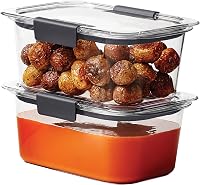
Are Plastic Containers Microwave Safe?
Some plastic containers are microwave safe, but not all are. Check for a microwave-safe label, follow the container instructions, and vent or remove the lid before heating.
On this page (8 sections)
- How can you tell if a plastic container is microwave safe?
- Is a microwave-safe label enough?
- What plastic containers are safe to microwave?
- Can you microwave plastic containers with lids?
- Are disposable plastic containers safe to microwave?
- Which foods need extra care in plastic containers?
- How should you clean and store microwave-safe plastic?
- What should you choose for microwave reheating?
Are plastic containers microwave safe? Some plastic containers are microwave safe, but only when the container is marked for microwave use and you follow its instructions.
Remove or vent the lid as directed, heat food in short intervals, and stop using any container that is cracked, warped, or badly stained.
A microwave-safe label is a use instruction, not a promise that every part of the container can handle every heating condition. The bowl, lid, food type, heating time, and condition of the plastic all matter.
How can you tell if a plastic container is microwave safe?
Look for a microwave-safe symbol or clear microwave instructions on the container or its packaging. A recycling code identifies the plastic type, but it does not replace microwave-use guidance.
Check whether the instructions separate the container from the lid. Some sets allow the tray or bowl in the microwave but require the lid to stay off.
Bentgo Prep, for example, describes its bowls as microwave safe and says not to microwave the lids.
A container without clear microwave guidance is a poor choice for reheating. Transfer the food to a dish made for microwave use, such as glass, rather than guessing from the container's appearance.
The FDA explains that food-contact materials must be suitable for their intended use, but that does not mean every plastic item is suitable for microwave heating. Its food packaging and food-contact substances guidance provides broader safety context.
Is a microwave-safe label enough?
The label is the starting point, not the whole instruction. You still need to follow the container's limits for lids, heating, cleaning, and freezer use.
For silicone options, see silicone freezer container safety guidance.
Don't heat a sealed container unless its instructions specifically allow that use. Steam can build pressure, and a tight lid may pop off or make the container difficult to open safely.
Leave space around food that can bubble or expand. Sauces, soups, and foods with high moisture can become very hot even when the container itself remains easy to touch.
For storing extra portions, compare freezer containers for soup.
Heat in short intervals and stir when appropriate. This helps reduce cold spots and very hot areas, especially when reheating thick meals.
What plastic containers are safe to microwave?
The safest choice is a food container specifically marked microwave safe, with instructions that match how you plan to use it. Reusable polypropylene containers are common for reheating, but the individual container's directions still control.
Choose a container with enough room for the meal and a lid that can vent or come off. For more options, compare microwave-safe food storage containers.
A one-compartment design works well for a single portion, while a larger bowl may suit leftovers or meal prep.
Your broader food storage containers buying guide can help you compare sizes, lids, materials, and storage uses before choosing a set.
Is the PROMOZE 50-Pack useful for microwave meal prep?
The PROMOZE 50-Pack is a practical fit for bulk meal prep and single-portion reheating. It has 50 reusable, BPA-free, food-grade PP containers with one compartment, 28 oz capacity, snap lids, and microwave, freezer, and top-rack dishwasher use.
Its one-compartment shape suits readers who want to pack one meal in each container. The 8.75 x 6 x 1.75 in rectangular form stacks for storage, while the separate lid and container design makes it easier to reheat food without sealing in steam.
Use the container without a tightly sealed lid unless the container instructions give a safe venting method. The set suits households that need many matching containers, but it may be more than you need if you prepare only a few meals at a time.
Can you microwave plastic containers with lids?
Usually, you should remove the lid or leave it vented unless the instructions clearly permit closed-lid heating. A lid that seals food for storage may not be designed to contain microwave steam.
Check for a vent, opening, or instruction about lid placement. If none is described, remove the lid and cover the food with a microwave-safe cover that allows steam to escape.
Never force open a container that has become pressurized. Let it stand briefly, keep your face and hands away from escaping steam, and use an oven mitt if the container is hot.
For a wider comparison of materials and lids, see what containers are microwave safe.
Does Bentgo Prep microwave safely?
Bentgo Prep is suited to reusable weekly meal prep with portion-marked bowls. The set includes 10 bowls and 10 custom-fit lids, and the bowls are reusable, PFAS-free, BPA-free, freezer safe, top-shelf dishwasher safe, and microwave safe.
The bowls have a 6.75-cup volume and a 7 x 7 x 3.8 in size. The embossed volume markings may help you portion meals without using a separate measuring cup.
Bentgo recommends hand washing to extend product life, even though the bowls are described as top-shelf dishwasher safe. This set fits people who want a smaller reusable system, but the lids require separate handling during reheating.
Are disposable plastic containers safe to microwave?
Some disposable containers are made for microwave reheating, but you must follow their specific instructions and intended-use limits. Disposable does not automatically mean microwave safe, and microwave safe does not mean reusable forever.
Check the material, heating guidance, and lid instructions before placing a disposable container in the microwave. Don't use a container that has warped, split, or changed shape during heating.
Sugarcane-pulp containers are another option when you want disposable food packaging without plastic. They still need clear heating instructions, and you should follow the care guidance for the container and lid.
Is HorizonNest suitable for reheating takeout meals?
HorizonNest suits disposable, plastic-free meal packaging and generous portions. It uses bagasse, or sugarcane pulp, and the 34 oz rectangular containers include lids and are described as microwave safe, freezer safe, leak resistant, compostable, and biodegradable.
The 1000 ml size works for larger portions such as salads, entrees, fruit, or takeout meals. Its disposable design fits events, catering, camping, and food storage where you don't want to collect reusable containers.
Choose this type when compostable, plastic-free packaging matters more than long-term reuse. Choose a reusable plastic or glass container when you plan to store and reheat the same container many times.
Which foods need extra care in plastic containers?
Foods that get very hot, bubble, or contain a lot of fat need more care during microwave reheating. Use short heating intervals, stir when possible, and allow the food to stand before removing it.
Fatty foods can reach high temperatures, and sugary sauces can become hot enough to damage some plastics. Heating time, food volume, and microwave power also change the result.
Avoid using a container with deep scratches, cracks, clouding, or warping. Damage can make the container harder to clean and may change how it handles heat.
Don't use plastic storage containers in a conventional oven unless they are specifically made for that use. For trays intended for portioned freezing and oven heating, see whether Souper Cubes are oven safe.
Microwave safe and oven safe are separate claims.
For readers comparing materials, best microwave safe glass containers can help with meals that you prefer to heat in glass. Glass can also have its own breakage and thermal-shock risks, so follow its instructions.
How should you clean and store microwave-safe plastic?
Let the container cool, wash it according to its care instructions, and inspect it before using it again. Clean away oily food and sauces promptly because residue can hold odors and make stains more noticeable.
Use the dishwasher only when the container is marked dishwasher safe, and follow the rack guidance. PROMOZE describes its containers as top-rack dishwasher safe, while Bentgo recommends hand washing for longer product life.
Keep lids separate until containers are dry. Stack containers only when they are stable and not under pressure from an overcrowded cabinet.
If you want to reduce disposable packaging, use your smart fridge to help reduce single-use plastic with meal planning and visible leftovers. For storage comparisons inside the refrigerator, see glass vs plastic fridge shelf durability.
What should you choose for microwave reheating?
Pick a container with clear microwave instructions, enough room for the food, and a lid you can safely remove or vent. The best choice depends on how often you reheat, how many portions you prepare, and whether you want reusable or disposable storage.
Choose PROMOZE if you need 50 one-compartment, 28 oz PP containers for bulk meal prep. Choose Bentgo Prep if you want 10 reusable bowls with custom-fit lids and portion markings.
Choose HorizonNest if you need 34 oz compostable sugarcane-pulp containers for disposable packaging.
For more plastic options, compare best microwave safe plastic containers and best microwave safe plastic meal prep containers. If you are considering metal, read microwave safe metal containers first because metal use depends on the container design and microwave instructions.
Are plastic containers microwave safe? Only when they are clearly marked for microwave use and handled according to their instructions.
Remove or vent lids, heat carefully, and replace damaged containers instead of relying on a recycling symbol or guess.
Frequently asked questions
Are plastic containers microwave safe?
Some are, but you should use only containers marked microwave safe or described for microwave heating. Remove or vent the lid as directed, avoid damaged containers, and heat food in short intervals.
If the container has no clear microwave guidance, use glass or another microwave-safe material instead.
What plastic containers are safe to microwave?
Plastic containers made for microwave use and marked microwave safe are the appropriate choice. The label alone does not tell you how to use the lid, how much heat the container can handle, or whether it is safe for the oven.
Follow the container's care instructions every time.
Is it safe to microwave plastic containers with the lid on?
Only if the container instructions allow it, and the lid usually needs a vent or a loose position. Steam can build pressure inside a sealed container.
Remove the lid when the instructions do not describe microwave use, or transfer the food to a microwave-safe dish.
Can you microwave disposable plastic food containers?
Some disposable plastic containers are made for microwave reheating, while others are not. Check the packaging or container for microwave guidance, and don't reuse a disposable container beyond its intended use.
Sugarcane-pulp disposable containers can also have separate heating instructions.