How to Reset Bosch Refrigerator?
On this page (3 sections)
To reset your Bosch refrigerator, the easiest way is to perform a power cycle. This involves unplugging the appliance for a few minutes and then plugging it back in to restart its systems. It often resolves minor glitches and restores normal function to your Bosch refrigerator.
Sometimes your Bosch fridge might act a little quirky, perhaps not cooling correctly or displaying an odd error code. Before calling a technician, a simple reset can often work wonders, much like restarting your computer. We found that this method is a first-line troubleshooting step for many common issues.
- Power cycling is the primary method to reset your fridge.
- Unplug it for 5-10 minutes.
- This can fix minor electronic glitches.
- It’s a quick and easy first step for many problems.
Ready to get your Bosch refrigerator back on track? Let’s walk through exactly how to perform this reset, along with other helpful tips, step by step.
Restoring Your Bosch Refrigerator’s Functionality
You can often restore your Bosch refrigerator’s normal operation with a simple power cycle or other reset methods. These steps can clear minor electronic issues and help your fridge run smoothly again.
The Primary Method: Power Cycling Your Bosch Fridge
Power cycling is the most common and effective way to reset many electronic appliances, including your Bosch refrigerator. Think of it like rebooting your computer when it starts acting up. It clears temporary glitches and allows the system to restart fresh.
Step-by-Step Guide to Power Cycling
Here’s how to properly power cycle your refrigerator:
- Locate the power cord: This is usually at the back of the appliance. You might need to gently pull the fridge away from the wall.
- Unplug it completely: Make sure the plug is fully disconnected from the electrical outlet.
- Wait for 5-10 minutes: This crucial step allows any residual charge to dissipate from the internal components. We found that a minimum of 5 minutes is generally sufficient, but 10 minutes can be even better for stubborn issues.
- Plug it back in: Ensure the plug is securely seated in the outlet.
- Listen for the hum: You should hear the compressor kick back on.
- Check for normal operation: Observe if the fridge starts cooling and if any error codes have disappeared.
This simple act can often resolve issues like strange noises, inconsistent cooling, or unresponsive controls. It’s a free and easy fix you can try first.
When to Consider a Reset for Your Bosch Refrigerator
You might be wondering when exactly a reset is the right move. While it’s not a magical cure-all, it’s a great starting point for several common problems. We’ve compiled a list of scenarios where a reset can be particularly helpful.
Common Issues a Reset Can Address
- Minor electronic glitches: Just like your phone, a fridge’s internal computer can sometimes get confused.
- Error codes: Many non-critical error codes can be cleared with a reset. Always note the code first, though!
- Inconsistent cooling or freezing: If your fridge isn’t maintaining temperature properly, a reset might recalibrate its sensors.
- Strange noises: Sometimes, electronic components can cause unusual sounds that a reset can quiet.
- Non-responsive control panel: If buttons aren’t working, a reset can sometimes restore functionality.
- After a power outage: A reset can help the fridge recalibrate its systems after an interruption in power.
If the problem persists after a reset, then it’s likely a more significant mechanical or electronic issue needing professional attention. Don’t keep resetting if the issue remains; that suggests something else is going on.
Understanding the Bosch Refrigerator Control Panel Reset
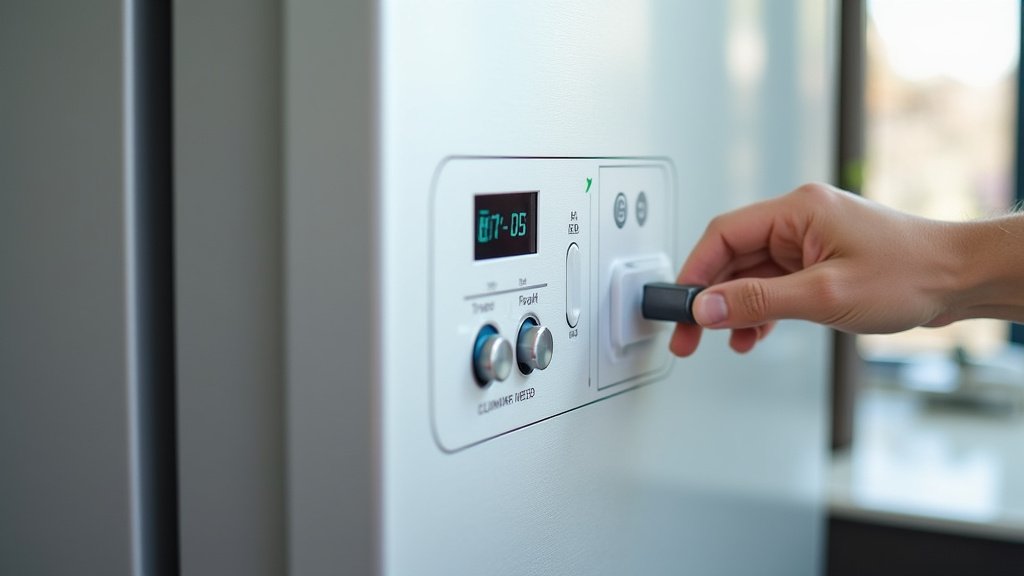
Some Bosch models offer a more specific control panel reset, distinct from a full power cycle. This targets the display and user interface specifically, leaving the main power untouched. It’s often for cosmetic display issues or button responsiveness problems.
How to Reset the Control Panel
The exact steps can vary slightly by model, so always check your owner’s manual for precise instructions. However, a common method involves pressing and holding certain buttons simultaneously for a few seconds. For example:
- Press and hold “Alarm” and “Option” (or similar): On many models, holding these two buttons for 3-5 seconds will initiate a control panel reset.
- Observe the display: The display might flash or temporarily go blank as it resets.
- Release the buttons: Once the display reacts, you can release the buttons.
This reset is usually for display-related issues or if your touch controls become unresponsive. It won’t fix a compressor problem, but it might resolve a stuck button issue.
Factory Resetting Your Bosch Refrigerator (Use with Caution)
A factory reset is a more drastic measure. It reverts all your refrigerator’s settings back to their original, out-of-the-box state. This can be useful for stubborn software issues or if you’re experiencing persistent, inexplicable problems that other resets haven’t fixed. Always consult your owner’s manual before attempting a factory reset, as the process is highly model-specific.
Why and When to Factory Reset
You might consider a factory reset if:
- You’ve tried power cycling and control panel resets without success.
- Your fridge is behaving very erratically with no clear cause.
- You’re preparing to move or sell the appliance and want to clear all personal settings.
Remember, a factory reset will erase custom temperature settings, holiday modes, and any other personalized configurations you’ve made. It’s like wiping your phone clean.
Before You Reset: A Quick Checklist
Before you jump into a reset, let’s quickly review a few things. These steps can sometimes resolve issues without needing a reset at all, or they can prepare your fridge for a more effective reset.
| Action | Why It Helps |
|---|---|
| Check door seals | Warm air entering causes overwork, leading to cooling issues. |
| Clean condenser coils | Dusty coils reduce efficiency and can cause overheating (U.S. Department of Energy). |
| Ensure proper ventilation | Fridge needs space around it to dissipate heat effectively. |
| Verify temperature settings | Someone might have accidentally changed the thermostat. |
| Look for obstructions inside | Blocked vents can prevent proper air circulation. |
Taking these small steps first can often save you the hassle of a full reset. We found that many “issues” are simply user errors or maintenance oversights.
What if a Reset Doesn’t Work?
If you’ve tried power cycling, control panel resets, and even a factory reset (after consulting your manual), and your Bosch refrigerator is still misbehaving, it’s time to consider other options. A reset is a diagnostic first step, not a universal fix.
Next Steps for Persistent Problems
- Consult your owner’s manual: It often has a detailed troubleshooting section for specific error codes or symptoms.
- Check Bosch’s website: They have extensive support sections, FAQs, and sometimes even video tutorials for common issues.
- Contact Bosch customer service: They can offer model-specific advice and help you diagnose the problem further.
- Schedule a professional service appointment: For complex issues like compressor failures, coolant leaks, or faulty main control boards, a certified technician is your best bet.
Remember, some problems require professional hands. Don’t attempt repairs you’re not qualified for, as it can be dangerous and void your warranty. We always recommend safety first.
Preventative Maintenance: Keeping Your Bosch Happy
While resets are useful for troubleshooting, regular maintenance can often prevent issues from arising in the first place. A little proactive care goes a long way in extending your refrigerator’s life and avoiding headaches.
Consider these simple maintenance tips:
- Clean condenser coils regularly: At least once or twice a year.
- Check door gaskets: Ensure they seal tightly to prevent air leaks.
- Keep the interior clean: Wipe up spills promptly to avoid odors and blockages.
- Don’t overload your fridge: Proper air circulation is key to efficient cooling.
- Defrost manually if applicable: For models that aren’t frost-free, follow the manufacturer’s defrosting guidelines.
By following these tips, you’re not just maintaining your appliance; you’re maintaining your peace of mind. A happy fridge means fewer surprises and a more consistent cooling performance for your food.
Conclusion
Resetting your Bosch refrigerator, starting with a simple power cycle, is often your best first step for troubleshooting common issues. It’s a quick, free fix that can resolve many minor glitches without needing a technician. Remember to consider your owner’s manual for model-specific control panel or factory reset procedures.
By understanding when and how to perform these resets, along with basic preventative maintenance, you can keep your appliance running smoothly. If problems persist after trying these methods, don’t hesitate to contact Bosch support or a qualified service professional for a deeper diagnosis. Your Bosch fridge will thank you!
Frequently Asked Questions
How often should I reset my Bosch refrigerator?
You should only reset your Bosch refrigerator when you encounter a problem, like an error code or inconsistent cooling. It’s a troubleshooting step, not a routine maintenance task. Frequent resets without resolving an underlying issue might indicate a larger problem.
Can resetting my Bosch fridge erase my custom temperature settings?
A power cycle (unplugging) usually won’t erase your custom temperature settings. However, performing a control panel reset or, especially, a factory reset will likely revert all settings to their default. Always check your owner’s manual to confirm what each reset type affects.
Is it safe to reset my Bosch refrigerator multiple times if the problem continues?
While safe, repeatedly resetting your fridge if the issue persists isn’t effective. If a problem doesn’t resolve after one or two power cycles, it suggests a more significant internal malfunction. Continuing to reset won’t fix it and you should seek professional help.
Will a reset fix a Bosch refrigerator that isn’t cooling at all?
A reset might fix minor sensor glitches causing cooling issues, but it’s unlikely to resolve major mechanical failures like a completely dead compressor or a refrigerant leak. If your fridge isn’t cooling at all, especially after a power cycle, it likely requires a technician.
Where can I find my Bosch refrigerator’s owner’s manual if I’ve lost it?
You can usually download a digital copy of your Bosch refrigerator’s owner’s manual directly from the official Bosch website. You’ll need your appliance’s model number, which is typically found on a label inside the fridge compartment or on the back of the unit.