What to Look for in a Stainless Steel Water Filter Pitcher
A good water filter pitcher stainless steel model uses the steel where you touch it and keeps food-grade plastic only where water flows through the filter. Check the steel grade and finish, the filter type and replacement interval, and whether the pitcher fits your fridge shelf before you pay for the look.
On this page (11 sections)
- What does stainless steel actually cover on a water filter pitcher?
- What inside plastic parts should you check?
- What filter type and certification matter most?
- How does capacity affect daily use?
- Will a stainless steel water filter pitcher fit in your fridge?
- What steel grade and finish should you look for?
- How do lids, spouts and handles affect pouring?
- How should you clean a metal water filter pitcher?
- When is plastic or countertop RO a better choice?
- What mistakes should you avoid when buying a metal water filter pitcher?
- How should you decide between steel, plastic and RO?
A water filter pitcher stainless steel design should earn its price with real steel parts, a clear filter system and fridge friendly dimensions. Buy on filtration and fit first, and treat the steel shell as a durability and style choice.
Steel does not filter your water by itself. A cartridge inside does the work, and that cartridge is usually plastic with activated carbon or another medium.
So judge the whole system, not just the shiny outside.
This guide explains what to check in a metal water filter pitcher, from steel construction to capacity and care. It also shows how plastic pitchers and a countertop reverse osmosis unit compare when steel is not the right answer for you.
What does stainless steel actually cover on a water filter pitcher?
A stainless steel water filter pitcher usually means a steel outer shell, lid, handle or accent trim. The water reservoir and filter housing are often plastic, even when the outside looks all metal.
That is not a flaw. Makers use plastic inside because it is light, moldable and safe for water contact when it is food grade.
Steel outside adds weight and helps the pitcher resist scratches and dents on the counter or in the fridge.
Check the description part by part. Look for words like stainless steel body, steel lid or steel handle, and then ask what the tank, spout, filter housing and lid liner are made from.
Steel shell versus steel accents
A full steel shell feels solid and stays cool to the touch. Steel accents, such as a handle or lid band, give a similar look for less weight and less cost.
Ask whether the steel is structural or decorative. A thin steel wrap over plastic can dent and trap water at seams, while a solid shell may be heavier but easier to wipe clean.
You should also check the steel finish. Brushed steel hides light marks better than polished steel.
A fingerprint resistant finish can help, and our guide to Fingerprint Resistant vs Regular Stainless Steel explains when that finish is worth paying for.
Product listings often hide this split in short phrases. A title may say steel pitcher while the specs list plastic for the reservoir and lid.
Read the material type field and the included components list before you assume every part is steel.
Rule: pay for steel only on parts that are truly steel and that you will touch every day.
What inside plastic parts should you check?
The inside parts matter more than the shell for taste and safety. Look for BPA free plastic, a sealed filter housing and a lid that locks or seals well.
Most pitchers use plastic for the reservoir, spout and filter well because water must flow through the filter by gravity. A poor seal can let unfiltered water mix with filtered water and ruin taste.
Check how the filter seats. It should drop in firmly, with no wobble and no gap around the rim.
If you can lift it out easily during a pour, the seal is too loose.
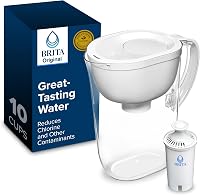
The Brita Large 10 Cup Water Filter Pitcher holds 10 cups in a BPA free body. It uses granular activated carbon and fits Standard or Longlast filters, with Standard filters changed after 40 gallons or about 2 months.
That example helps you judge steel models by the same standard. If the steel version uses the same filter type and interval, its advantage is shell durability, not cleaner water.
The large Brita lists height 10.47 inches, width 5.59 inches, length or depth 10.94 inches and weight 2.29 pounds. Those numbers show how a plastic reservoir keeps total weight low even at full capacity.
A steel shell with similar dimensions will add carrying weight, so compare empty weight before you choose.
Rule: check the filter seal and the plastic grade before you check the shine.
What filter type and certification matter most?
Filter type decides what the pitcher can reduce and how long it lasts. Look for NSF/ANSI or WQA certification for the specific claims you care about, such as chlorine taste, lead, mercury or PFAS.
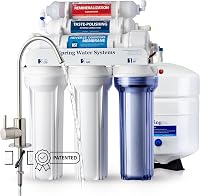
Activated carbon is common for taste and odor. Reverse osmosis is different, and it needs a powered countertop or under sink unit rather than a simple gravity pitcher.
Certifications are specific. A pitcher certified to reduce chlorine taste may not be certified for lead or microbes.
Read the exact list, and do not assume a steel shell adds any certification.
The DREO Reverse Osmosis Water Filter Countertop has a 5 liter body and 2 autofill pitchers at 1.1 liters each. DREO says its 7 in 1 RO system filters 99.9% of possible contaminants, including PFOA, PFOS, chlorine and fluoride, and was tested by SGS meeting NSF/ANSI 58 standards.
That is a different class of product. It suits buyers who want RO and a TDS readout, not buyers who want a light fridge pitcher.
For U.S.-made options, see U.S.-made reverse osmosis systems.
For pitcher filters alone, our best water filter pitcher replacement filters guide helps you compare replacement cost and life.
Filter naming also matters when you plan replacements. The large Brita works with Longlast and Standard filters, while the small Brita Metro works with Standard and Elite filters.
Elite filters are listed for 120 gallons or about six months, compared with 40 gallons or about two months for Standard filters.
Rule: match the certification to your water concern, and ignore steel as a filtration claim.
How does capacity affect daily use?
Capacity changes how often you refill, how heavy the pitcher is and whether it fits your fridge. Choose 8 to 10 cups for a household, 5 to 7 cups for a small fridge or desk, and larger only if you have shelf space.
A full 10 cup pitcher holds 80 ounces of water. Add the weight of the pitcher itself, and lifting it from a high shelf can be hard for some buyers.
Steel adds weight. A steel shell that weighs 1 to 2 pounds empty can feel much heavier at 10 cups.
Keep capacity modest if you will carry it from a distant tap every day.
Our best large water filter pitcher roundup is useful if a busy household needs fewer refills. It is less useful if your fridge shelf height is the limit.
Matching capacity to filter life
Capacity and filter life interact in a simple way. A larger pitcher may empty its reservoir faster, but the filter limit is still set in gallons and months.
The Brita examples both use a 40 gallon or about two month limit for Standard filters, whether the reservoir is 6 cups or 10 cups.
That means a household that drinks more water will hit the gallon limit sooner. A single user may hit the time limit first.
Either way, you should track both numbers and replace at whichever limit comes first, not at whichever is easier to remember.
Rule: size the pitcher to your shelf and your arm strength, not to the biggest number.
Will a stainless steel water filter pitcher fit in your fridge?
Fridge fit is a deal breaker for many buyers. Measure shelf height, shelf depth, door clearance and the space needed to lift the pitcher out.
Some steel pitchers are tall and narrow. They fit on a shelf but cannot be lifted out without tilting, which can spill water or hit the shelf above.
Leave at least 2 inches of lift room in your plan.
Check the door bins too. A pitcher that fits on a shelf may still be too deep for a door bin.
Steel handles can add width that plastic handles do not.
The Brita Small 6-Cup Water Filter Pitcher is 9.1 x 4.6 x 9.7 inches and fits most mini fridges. It includes 1 filter and uses a SmartLight indicator that signals replacement after 40 gallons or about 2 months.
Compare that footprint with any steel model you like. If the steel version is taller, you may need to remove a shelf or store it on the door, where it can swing and spill.
Our best water filter pitcher for fridge guide focuses on models built for cold storage. Read it before you buy a tall steel pitcher.
Rule: measure for lift out clearance, not just for shelf fit.
What steel grade and finish should you look for?
Steel quality varies, and the grade tells you how well it resists rust and dents. Look for 304 or 18/8 stainless steel, a brushed finish and smooth welds at the handle and base.
Grade 304 is a common food friendly stainless steel. It resists rust well in normal kitchen use.
Lower grades can stain or pit sooner, especially around welds and seams.
Finish matters for daily care. Brushed steel hides scratches and fingerprints better than a mirror finish.
A matte or fingerprint resistant coating can help, but check that it does not flake near the spout.
Check seams and welds. Rough welds can trap water and grime.
A smooth, continuous weld at the handle is easier to clean and less likely to rust.
Rule: choose 304 brushed steel with smooth welds, and skip polished steel for a fridge pitcher.
How do lids, spouts and handles affect pouring?
A steel pitcher can look solid and still pour badly. Check for a wide fill opening, a drip free spout and a handle that stays balanced when the pitcher is full.
A wide mouth makes filling fast and cleaning easier. A narrow neck looks sleek but slows refilling and makes hand washing hard.
The spout shape controls drips. A sharp, well molded spout cuts the stream cleanly.
A rounded or poorly sealed spout can dribble down the front, especially with a heavy steel body.
Handle balance matters with steel. A handle placed too high can tip the pitcher forward.
A handle that attaches at two points usually gives more control than a single thin loop.
A locking or flip lid helps in the fridge. It keeps odors out and stops spills when you move the pitcher between shelves.
Rule: test the pour path in your head, and choose a wide mouth and sharp spout over a slim neck.
How should you clean a metal water filter pitcher?
Cleaning a steel pitcher is simple, but the filter needs separate care. Wash the steel shell with mild soap and water, rinse the filter only as the maker directs, and let parts dry before storage.
Do not soak a carbon filter overnight unless the maker allows it. Soaking can let bacteria grow in the medium.
Follow the rinse steps on the filter package, not a general rule.
Steel care is basic. Wipe with a soft cloth, dry after washing and avoid harsh abrasives that scratch the finish.
For stains, a mild vinegar wipe can help, then rinse well.
Check the lid seal and filter well each time you clean. Built up film in those areas can affect taste.
A soft brush can reach around the filter seat without scratching the steel.
Replace the cartridge on schedule, even if the water still tastes fine. Carbon loses effectiveness by gallons used and by time, and a calendar reminder helps more than taste alone.
Rule: clean the shell often, follow the filter rinse steps exactly, and replace on time.
When is plastic or countertop RO a better choice?
Steel is not always the best answer. Choose plastic for light weight and low cost, and choose countertop RO for PFOA, PFOS, fluoride or TDS concerns.
Plastic pitchers are light when full and easy to carry from tap to fridge. They also cost less to replace if you drop one.
Many buyers prefer them for daily fridge use.
A countertop RO unit is larger and needs counter space and power. It gives you RO filtration, a TDS meter and autofill pitchers, as in the DREO example above.
That added filtration can matter more than a steel shell if your water has specific contaminants.
An inline water filter is another option for whole house or refrigerator lines. It is not a pitcher, but it can suit buyers who want filtered water at the tap or fridge dispenser.
Our best water filter pitcher roundup compares plastic pitchers by capacity and filter life. Use it to see what you give up if you choose steel.
Rule: pick the filtration method for your water, then pick the shell material for your kitchen.
What mistakes should you avoid when buying a metal water filter pitcher?
The biggest mistake is buying for looks and ignoring filter life. Avoid models with no certification list, no replacement interval and no clear steel grade.
Other common mistakes include ignoring fridge height, choosing too much capacity for daily lifting and assuming steel means all metal. Each mistake makes the pitcher harder to use, even if it looks good on the counter.
Check the total cost, not just the pitcher price. Replacement filters every 2 months add up faster than filters that last 6 months.
Steel models sometimes use proprietary cartridges that cost more.
Read about your refrigerator water line too. If you already have a fridge filter, a pitcher may be a backup for taste.
Our Best Water Filter For Smart Refrigerators guide helps you compare that option.
Rule: compare filter cost and fridge fit before you compare finishes.
How should you decide between steel, plastic and RO?
Your decision comes down to water concerns, fridge space and how you carry the pitcher. Pick steel for durability and style, plastic for light daily use, and RO for advanced contaminant reduction.
If you want a steel look and the filter meets your needs, a water filter pitcher stainless steel model can be a good fit. Check the grade, the filter seal and the lift out clearance first.
If weight and cost matter more, a plastic pitcher with the same filter type will filter just as well. If PFOA, PFOS or high TDS is your concern, an RO countertop unit fits better than any gravity pitcher.
We compared specs, filter intervals and dimensions across these options. Our score weighs specs, features and buyer feedback against what you are shopping for.
Final rule: buy the filtration you need, in a size you can lift and store, with steel only where it helps you every day.
Frequently asked questions
What makes a water filter pitcher stainless steel?
It means the outer body, lid or handle uses stainless steel, while the tank, filter housing and spout often still use plastic for water contact. Check which parts are steel and which are plastic, because the filter cartridge itself is not steel.
Is stainless steel better than plastic for a filter pitcher?
Steel adds weight, dent resistance and a cooler feel, but it does not change filtration. Filter type, certification and replacement timing matter more for taste than the outer material.
How often should I replace a pitcher filter?
Follow the maker's gallon or time limit, whichever comes first. Standard filters in the examples here last 40 gallons or about 2 months, while longer-life versions can last 120 gallons or about 6 months.
Do stainless steel pitchers fit in a fridge?
Many do, but you must measure height, depth and door clearance. A steel pitcher can be heavier when full, so check shelf strength and leave room to lift it out without tilting.
What should I avoid in a metal water filter pitcher?
Avoid vague steel claims with no grade, no filter certification and no replacement schedule. Also avoid tall, narrow designs that look good but are hard to fill, clean and pour.