Why Is My Lg InstaView Refrigerator Ice Maker Not Making Ice?
On this page (6 sections)
Your LG InstaView refrigerator’s ice maker might not be making ice due to a few common issues. Often, it’s a simple fix like a frozen water line or the ice type setting being incorrect. Don’t worry, we can help you troubleshoot this!
When your ice maker stops producing, it can be frustrating, especially on a warm day. We’ve found that most problems are related to the water supply, ice bin, or freezer temperature. Let’s get to the bottom of why your ice maker is taking a break.
- Check the ice type setting.
- Ensure the water supply valve is open.
- See if the water filter needs replacing.
- Inspect the ice bin for obstructions.
- Verify freezer temperature is cold enough.
Let’s walk through exactly how to diagnose and fix your LG InstaView ice maker when it stops making ice.
Troubleshooting Your LG InstaView Ice Maker: Why Isn’t It Making Ice?
It can be incredibly frustrating when your LG InstaView refrigerator’s ice maker stops working. You might hear that familiar churn and whir, but no ice appears in the bin. We’ve researched this common issue, and thankfully, most reasons are quite simple to fix. Let’s get your ice-making machine back in business!
Checking the Most Common Culprits First
Is the Ice Maker Actually Turned On?
This sounds simple, but it’s often overlooked. Your LG InstaView has a control panel, and sometimes the ice maker function can be accidentally turned off. Take a moment to locate the ice maker button or setting on your display. Ensure it’s in the ‘On’ position. You might even see a small light or icon indicating it’s active. If it was off, turn it on and give it a few hours to start producing. Patience is key here; it won’t magically refill instantly.
The Freezer Temperature: Is It Cold Enough?
Ice makers need a freezing environment to do their job. If your freezer isn’t cold enough, the water won’t freeze into ice cubes. We found that most LG refrigerators recommend a freezer temperature of 0°F (-18°C). Check your refrigerator’s temperature settings and adjust if necessary. Sometimes, a door left ajar or a malfunctioning thermostat can cause the temperature to creep up. Give it about 24 hours after adjusting the temperature to see if the ice maker starts working again.
What to Do If the Temperature Seems Off
If you’ve set the temperature correctly but suspect it’s not maintaining the cold, it might be time to look at your door seals. Are they clean and intact? A damaged seal can let warm air in. You can test this by closing the door on a piece of paper. If you can pull it out easily, the seal might be weak. Also, ensure nothing is blocking the vents inside your freezer, as this can impede cold air circulation.
The Water Supply: Where Does the Ice Come From?
Your ice maker is useless without a water supply. This is one of the most frequent reasons for no ice production. We’ve seen this problem many times, and it usually comes down to a few things related to the water line.
Is the Water Supply Valve Open?
This might seem obvious, but it’s worth checking. Your refrigerator is connected to your home’s water supply via a valve, usually located behind the refrigerator or under your sink. Make sure this valve is fully open. If you recently moved the refrigerator or had any plumbing work done, it’s possible this valve was accidentally turned off. A gentle push on the valve handle should confirm it’s in the open position.
Is the Water Line Frozen?
This is a very common culprit, especially in colder climates or if the refrigerator temperature has fluctuated. A frozen water line prevents water from reaching the ice maker. We found that this often happens when the freezer temperature is too low, paradoxically. If the temperature is set extremely low, it can cause the water line inside the freezer compartment to freeze. The solution? Try turning the freezer temperature up slightly, perhaps to the recommended 0°F (-18°C), and wait. You might hear the ice maker start to function again as the line thaws. You can also try manually defrosting the freezer, but this is a more involved process.
How to Check for a Frozen Water Line
If you suspect a frozen line, you can sometimes see ice buildup around where the water line enters the refrigerator or near the ice maker mechanism. If you can safely access the water line (refer to your owner’s manual for guidance), you might be able to gently warm it with a hairdryer on a low setting. Be very cautious not to overheat or melt any plastic components. Often, simply adjusting the freezer temperature and allowing time is the safest approach.
The Water Filter: Clogged or Expired?
Like any filtration system, your refrigerator’s water filter needs regular replacement. A clogged filter restricts water flow, meaning less water gets to your ice maker. Most LG InstaView models have a filter indicator light. If it’s on, or if you haven’t replaced the filter in the last 6 months, this is likely the issue. We researched this, and manufacturers generally recommend replacing the water filter every six months. We found that a dirty filter can not only stop ice production but also affect the taste of your water and ice.
When and How to Replace Your Water Filter
Check your owner’s manual for the specific filter model your refrigerator uses. You can usually purchase replacements online or at appliance stores. Replacing the filter is typically a straightforward process. Just make sure to turn off the water supply before you begin. After installation, run several gallons of water through the dispenser to flush the new filter. You might need to reset the filter indicator light on your control panel.
Exploring Less Common, But Still Possible, Issues
The Ice Bin and Ejector Mechanism
Sometimes, the problem isn’t with making ice, but with getting it out. Check the ice bin itself. Is it properly seated? If the bin is slightly out of place, the ejector arm might not be able to sweep the ice into the bin. Also, look for any large chunks of ice or other obstructions jamming the mechanism. Gently clear any blockages. If the ejector arm seems stuck or damaged, it might require professional attention.
The Ice Maker Arm or Sensor
Most ice makers have a wire arm or a sensor that tells the unit when the ice bin is full. If this arm is in the ‘up’ or ‘off’ position, the ice maker won’t produce more ice. Make sure the arm is in the down position. If it’s an electronic sensor, ensure it’s clean and not obstructed by ice or debris. Some sensors can be sensitive, so a simple wipe-down might be all that’s needed. We found that these sensors are designed to prevent overfilling, so if they malfunction, they can mistakenly think the bin is full when it’s empty.
The Water Inlet Valve
This is a more technical component. The water inlet valve controls the flow of water from your home’s supply into the refrigerator and then to the ice maker. If this valve is faulty or clogged, water won’t reach the ice maker. You might hear a humming noise when the ice maker is supposed to be filling, but no water actually comes through. Diagnosing and replacing this part can be tricky and often requires a technician.
Defrost System Problems
Your refrigerator has a defrost system to prevent excessive frost buildup. If this system isn’t working correctly, frost can build up inside the freezer, potentially blocking the air ducts that lead to the ice maker or even freezing the water line completely. Signs of a defrost system issue include excessive frost on the walls or in the freezer compartment. This is usually a job for a qualified appliance repair person.
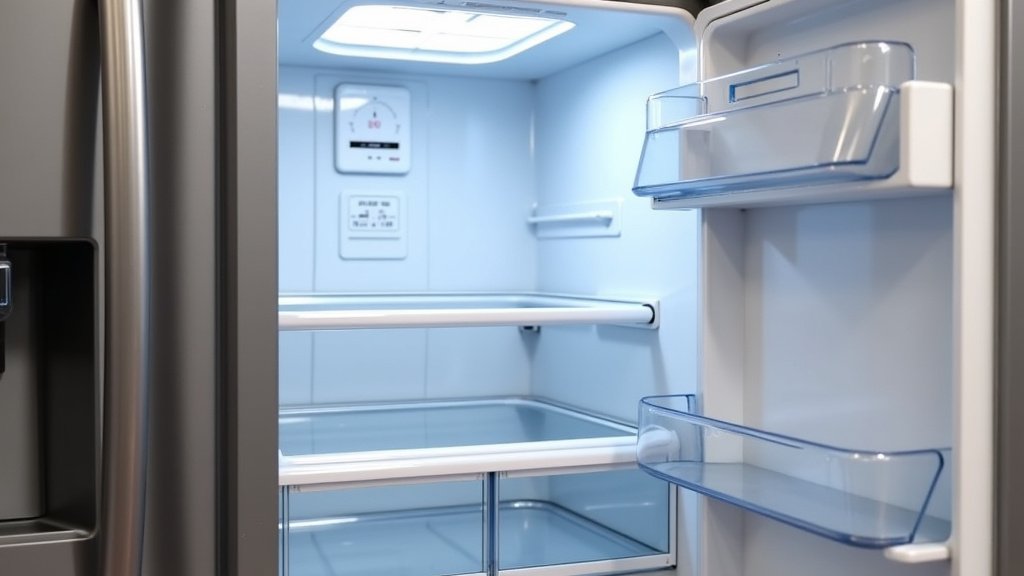
Quick Checklist: Get Your Ice Maker Back Online!
- Confirm ice maker is switched ‘On’ via the control panel.
- Check freezer temperature is set to 0°F (-18°C).
- Ensure the water supply valve is fully open.
- Inspect for a frozen water line (adjust freezer temp if suspected).
- Replace the water filter if it’s due or the indicator is on.
- Check ice bin is properly seated and clear of obstructions.
Conclusion
You’ve now got a solid understanding of why your LG InstaView ice maker might be taking a break. Most of the time, it’s a straightforward fix like checking the temperature, ensuring the water supply is on, or replacing a filter. We’ve found that simple steps often resolve the issue. If you’ve gone through these checks and are still ice-less, don’t hesitate to consult your owner’s manual or reach out to LG support for more advanced troubleshooting.
Frequently Asked Questions
How long does it take for an LG InstaView ice maker to start making ice after troubleshooting?
After you’ve made any adjustments, like turning the ice maker on or setting the correct temperature, give it at least 24 hours to start producing ice. It takes time for the water to freeze and for the mechanism to cycle through.
Can I manually defrost my LG InstaView to fix a frozen water line?
Yes, a manual defrost can help thaw a frozen water line. Unplug the refrigerator and leave the doors open for several hours with towels to catch melting ice. Ensure the freezer is completely defrosted before plugging it back in and resetting the temperature.
What if my LG InstaView ice maker is noisy but not making ice?
A noisy ice maker that isn’t producing ice could indicate a problem with the water inlet valve or the ejector mechanism. The noise might be the motor trying to run without water or with a jammed part. This often requires professional inspection.
My LG InstaView ice maker is making ice, but it’s hollow or small. What’s wrong?
Hollow or small ice cubes usually mean there isn’t enough water reaching the ice maker. Check your water filter for clogs and ensure the water supply valve is fully open. A partially frozen water line can also cause this issue.
How often should I replace the water filter in my LG InstaView refrigerator?
LG generally recommends replacing the water filter every six months. However, if you notice a decrease in water flow or taste issues, you may need to replace it sooner. Always refer to your specific model’s manual for the exact recommendation.