Why Is My Lg InstaView Refrigerator Water Dispenser Slow?
On this page (7 sections)
If your LG InstaView refrigerator water dispenser is flowing slowly, it’s likely due to a clogged water filter or a frozen water line. These are the most common culprits we found when researching this issue. Don’t worry, these problems are usually fixable yourself.
Sometimes, a slow dispenser can also point to low water pressure from your home’s supply or a kinked water tube. We’ve seen these issues cause frustration for many LG owners. Addressing these potential causes can get your water flowing freely again.
- Clogged filter is the main reason.
- Frozen water line is another frequent cause.
- Low home water pressure can also slow things down.
- A kinked tube is less common but possible.
Let’s walk through exactly what might be causing your slow dispenser and how to fix it.
Troubleshooting Your LG InstaView Refrigerator’s Slow Water Dispenser
If your LG InstaView refrigerator’s water dispenser is dispensing water at a snail’s pace, it can be quite frustrating. You expect crisp, cool water on demand, not a slow trickle. Fortunately, we’ve researched the most common reasons for this issue. Most of these problems are easily fixed yourself. Let’s get your water flowing again.
The Water Filter: The Usual Suspect
The vast majority of slow water dispenser issues stem from one place: the water filter. Over time, your refrigerator’s filter becomes clogged with impurities. Think of it like a coffee filter that’s been used too many times. It can’t let water through as easily. This is a normal part of its job.
When to Replace Your Water Filter
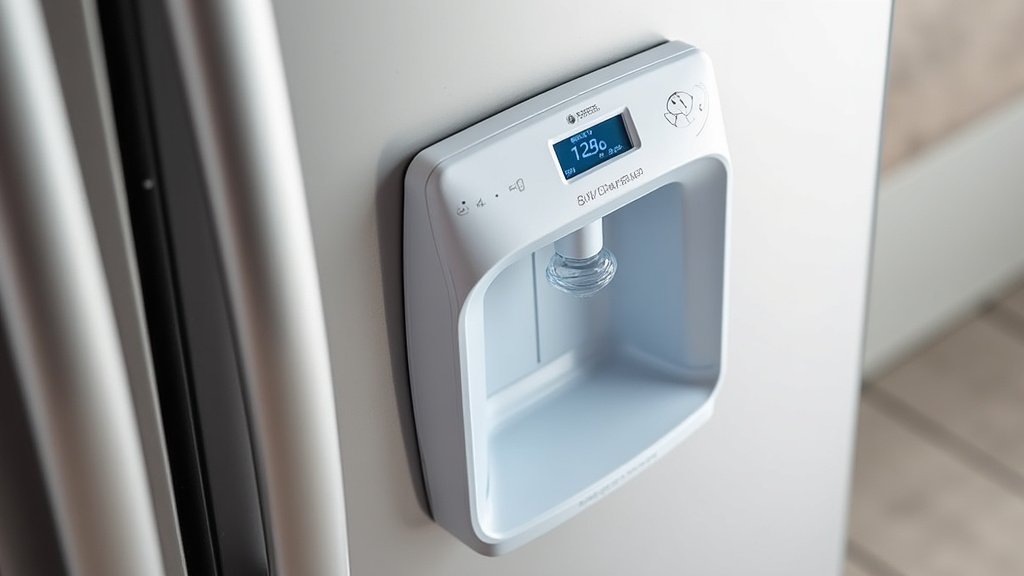
Your LG InstaView refrigerator will usually tell you when it’s time to replace the filter. There’s typically a filter indicator light on the dispenser panel. This light will often turn red or orange. Many owners replace it when the light changes. However, even before the light comes on, the filter can become less efficient.
We found that replacing the filter every six months is a good general rule. This applies even if you haven’t reached the recommended filter life in gallons. Daily usage patterns can affect filter life. If you notice a slowdown, changing the filter is almost always the first and easiest step to try. Learn about the recommended schedule for changing the filter to maintain flow.
How to Replace Your LG InstaView Water Filter
Replacing the filter is a straightforward process. Your refrigerator manual will have specific instructions for your model. However, here’s a general guide that applies to most LG InstaView refrigerators.
Locating the Filter
Most LG InstaView refrigerator water filters are located in one of two places. They are often found in the upper right-hand corner of the refrigerator compartment. Sometimes, they are located in the base grille at the bottom front of the refrigerator. You may need to remove a small cover to access it. Check your manual if you’re unsure.
The Replacement Process
Once you’ve found the filter, it’s usually a simple twist-and-lock mechanism. You’ll typically need to turn the old filter a quarter turn counter-clockwise. Then, you can pull it straight out. Make sure you have your new, genuine LG filter ready.
Take the new filter and align it with the housing. Push it in firmly and twist it a quarter turn clockwise until it locks into place. You should feel or hear a click. Many models require you to flush the system after replacement. This involves dispensing water for several minutes. It removes air from the line and ensures proper flow. Consult your manual for the exact flushing instructions.
Frozen Water Lines: A Cold Culprit
Another common cause for a slow or non-existent water dispenser is a frozen water line. This often happens when the refrigerator’s temperature is set too low. Or, it could be a faulty temperature sensor. If you hear strange noises from the back of your fridge, it might be related to ice buildup.
Identifying a Frozen Water Line
A key indicator is if the water dispenser stops working suddenly. This happens without any recent filter change. You might also notice frost or ice buildup around the water line where it enters the refrigerator. Sometimes, you can hear gurgling or struggling sounds from the dispenser. It’s like the water is trying to push through an icy blockage.
Thawing the Frozen Water Line
Thawing a frozen water line requires patience. The goal is to gently warm the line without damaging anything. The safest method involves unplugging the refrigerator. Then, allow the unit to thaw naturally for several hours. You can speed this up slightly by using a hairdryer on a low setting. Keep the hairdryer moving to avoid overheating any one spot.
Focus the warm air on the area where the water line enters the fridge or where you suspect the blockage is. Do not use open flames or boiling water. These can damage the plastic lines. After a few hours, or once you believe the line is thawed, plug the refrigerator back in. Test the water dispenser. You may need to run it for a minute or two to clear any remaining air or loose ice.
Preventing Future Freezing
To prevent the water line from freezing again, adjust your refrigerator’s temperature settings. Avoid setting it to the coldest setting. A refrigerator temperature between 35°F and 38°F (1.7°C and 3.3°C) is generally recommended (FoodSafety.gov). Freezer temperature should be around 0°F (-18°C).
If the problem persists after adjusting temperatures, there might be an issue with the refrigerator’s internal thermostat or a defrost system component. In such cases, it’s best to contact a qualified appliance technician.
Home Water Pressure: Is Your Supply Enough?
Sometimes, the issue isn’t with your refrigerator at all. It could be the water pressure coming from your home’s main supply. Refrigerators have specific water pressure requirements to operate their dispensers efficiently. If your home’s water pressure is too low, the dispenser will naturally perform slowly.
Understanding Recommended Water Pressure
Most refrigerator manufacturers recommend a water pressure range of 20 to 120 psi. If your home’s pressure falls below this range, your dispenser will likely be slow. This is especially true if you have multiple water-using appliances, like a washing machine or another faucet, running at the same time.
How to Check Your Home’s Water Pressure
You can easily check your home’s water pressure with a simple tool called a water pressure gauge. You can purchase these at most hardware stores. Simply attach the gauge to an outdoor hose bib or laundry sink faucet. Turn on the water. The gauge will display your current water pressure.
If the pressure is consistently low, you might need to contact your local water utility. They can check the pressure coming into your home. You may also consider installing a whole-house water pressure booster pump. This is a more involved solution but can significantly improve water flow throughout your home.
Kinked or Damaged Water Lines
A less common, but still possible, cause for a slow water dispenser is a kinked or damaged water supply line. This is the tube that brings water from your home’s supply to the refrigerator.
Inspecting the Water Line
You’ll need to access the back of your refrigerator for this inspection. Carefully pull the refrigerator away from the wall. Look for the water line connecting to the back of the appliance. Follow the line back to where it connects to your home’s plumbing.
Check for any visible pinches, bends, or kinks in the line. Sometimes, the line can get squashed when the refrigerator is pushed too close to the wall. Also, inspect the line for any signs of damage, such as cracks or leaks. If you find a kink, try to gently straighten it out. Ensure there’s enough slack for the line to avoid kinking when the fridge is in its normal position.
When to Replace the Line
If the water line is visibly damaged, cracked, or appears old and brittle, it’s best to replace it. You can purchase replacement water lines at appliance stores or home improvement centers. Make sure to get the correct length and type of connector for your refrigerator and home plumbing. Always turn off the water supply before disconnecting and replacing the line.
Quick Checklist for a Slow Dispenser
Here’s a quick rundown of what to check:
- Has the water filter been replaced recently?
- Is the filter indicator light on?
- Is the refrigerator temperature set too low?
- Is there any frost around the water inlet valve at the back?
- Have you checked your home’s water pressure?
- Is the water supply line to the fridge kinked or damaged?
Conclusion
It’s frustrating when your LG InstaView water dispenser slows down. You’ve learned that a clogged filter is often the first thing to check. If that’s not it, a frozen water line or low home water pressure are common next steps. Don’t forget to inspect the water line itself for kinks or damage. By working through these possibilities, you can usually restore your dispenser’s flow. If you’ve tried these steps and still have issues, it might be time to consult your manual or a professional.
Frequently Asked Questions
How often should I really replace my LG InstaView water filter?
Most experts recommend replacing your LG InstaView water filter every six months. Even if your refrigerator doesn’t show an indicator light, the filter’s efficiency can decrease over time. If you notice a slowdown in water flow before the six months are up, consider changing it early.
Can I just ignore the water filter indicator light on my LG InstaView?
While you can technically ignore the light, it’s not recommended for optimal performance. The indicator light is a good guide, but a slow flow can occur before the light turns red or orange. Paying attention to your water flow is just as important as the light.
What’s the best way to thaw a frozen water line without causing damage?
The safest way to thaw a frozen water line is to unplug your refrigerator and let it warm up naturally for several hours. You can use a hairdryer on a low, moving setting to gently warm the affected area, but never use open flames or boiling water.
My water pressure is low. What’s the easiest fix for my refrigerator dispenser?
If your home’s water pressure is consistently below 20 psi, you might need to call your water utility to check the supply. For a more immediate solution, you could look into installing a whole-house water pressure booster pump, but this is a larger project.
I found a kink in my water line. Can I just straighten it?
Yes, if you find a kink, you can gently try to straighten it out. Make sure there is enough slack in the line when you push the refrigerator back. If the line looks damaged, cracked, or very old, it’s best to replace the entire water line.