Why Is My Smart Refrigerator Not Making Craft Ice?
On this page (4 sections)
Your smart refrigerator’s craft ice maker might not be working due to a few common issues. Often, it’s a simple fix like a frozen water line or a clogged ice maker mold. Sometimes, the refrigerator simply needs a reset, or there’s a problem with the dispenser control. We’ll help you figure it out.
When your craft ice maker stops producing those perfect spheres, it can be a bit of a bummer for your chilled beverages. We’ve looked into why this happens, and it usually comes down to a few key areas. Understanding these can help you get back to enjoying your drinks.
- Frozen water line is a common culprit.
- Check if the ice maker mold is clean.
- A simple refrigerator reset can often help.
- Ensure the dispenser settings are correct.
- Sometimes, a part might need repair or replacement.
Let’s walk through exactly why your smart refrigerator’s craft ice maker might be taking a break and how to get it making ice again.
Troubleshooting Your Smart Fridge’s Craft Ice Maker
It can be frustrating when your smart refrigerator’s craft ice maker stops producing those perfect, clear spheres. You might be wondering why your fancy ice has suddenly vanished. Don’t worry, we’ve researched the common reasons this happens, and often it’s something you can fix yourself without calling a technician.
Understanding the Craft Ice Maker Process
Before we dive into troubleshooting, let’s briefly touch on how craft ice makers work. These specialized ice makers usually have a different mechanism than standard ice makers. They often use a specific mold that forms larger, clearer ice shapes. This process can be more sensitive to temperature, water flow, and mechanical issues.
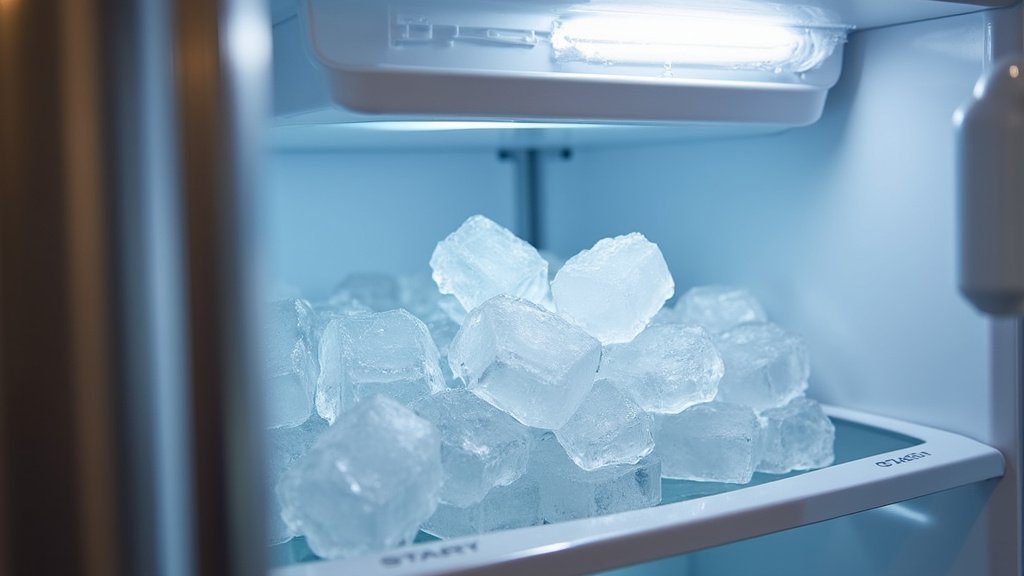
The refrigerator needs to maintain a precise temperature for the craft ice maker to function correctly. Water is then dispensed into the mold and frozen slowly. This slow freezing process helps create clearer ice by allowing air bubbles to escape. Finally, the ice is ejected and dropped into a bin.
Common Reasons for Craft Ice Production Failure
We’ve found that most craft ice maker issues boil down to a few key areas. Let’s look at these one by one so you can get your ice spheres back.
Frozen Water Lines: A Chilly Obstruction
One of the most frequent culprits is a frozen water line. This is especially common if your refrigerator has recently experienced a power outage or if the internal temperature has fluctuated. The water line that supplies water to the craft ice maker can freeze up, preventing any water from reaching the ice mold.
What to do:
- First, check your refrigerator’s temperature settings. Ensure they are within the recommended range. Manufacturers often suggest around 37°F (3°C) for the fresh food compartment and 0°F (-18°C) for the freezer.
- Next, look for any error codes on your refrigerator’s display panel. These can often point you in the right direction.
- If you suspect a frozen line, you might need to manually defrost the ice maker area. Unplug your refrigerator for several hours (or even a full day) with the doors open. Place towels on the floor to catch any melting ice and water.
- Some users have reported success by gently warming the suspected frozen area with a hairdryer on a low setting. Be very careful not to overheat any plastic components.
This defrosting process can take time, so be patient. Once the ice has melted, plug your refrigerator back in and allow it to reach its set temperature before expecting ice production to resume.
Issues with the Ice Maker Mold Itself
The mold where the craft ice is formed can also be the source of the problem. Sometimes, small ice particles or debris can accumulate, interfering with the ejection process or the mold’s ability to fill properly.
Cleaning the ice maker mold:
- Consult your owner’s manual for specific instructions on how to access and clean your craft ice maker mold.
- Often, you can wipe down the mold with a soft cloth dampened with water or a mild, food-safe cleaner. Avoid abrasive materials that could scratch the mold.
- Ensure the mold is completely dry before attempting to make ice again. Any residual moisture could lead to freezing and more problems.
We found that regular, light cleaning can prevent bigger issues down the line. It’s like giving your car an oil change; a little maintenance goes a long way.
Dispenser Settings and Controls
Your smart refrigerator likely has various settings for its ice maker and dispenser. It’s possible that the craft ice option has been accidentally turned off or that the dispenser settings need adjustment.
Checking your settings:
- Navigate through your refrigerator’s control panel or smart app. Look for options related to the ice maker and dispenser.
- Ensure that the “Craft Ice” or “Specialty Ice” option is selected and turned on.
- Verify that the ice type selector is set to craft ice, not cubed or crushed ice, if your model offers multiple options.
- Some refrigerators have a “dispenser lock” feature. Make sure this is not accidentally engaged, as it could prevent ice from dispensing even if it’s being made.
It’s easy to accidentally change a setting, especially on newer models with touchscreens. A quick check of the menus can save you a lot of trouble.
Water Filter and Water Supply
A clogged water filter or a problem with the water supply can also halt ice production. If the water filter hasn’t been replaced in a while, it can restrict water flow to the ice maker. Understanding the best water filter replacement schedule can help ensure your ice maker receives adequate water flow.
Steps to check water supply:
- Locate your water filter (usually inside the refrigerator compartment or in the base grille). Check its replacement date. If it’s due for a change, replace it.
- After replacing the filter, run about a gallon of water through the dispenser to flush out any air or loose particles.
- Ensure the water shut-off valve connected to your refrigerator is fully open. Sometimes, these valves can be accidentally turned off or partially closed.
- Check the water line itself for any kinks or visible damage. A kinked line will restrict water flow.
Many users recommend replacing refrigerator water filters every six months for optimal performance (Cleveland Clinic). A clean filter ensures that the right amount of water reaches your ice maker.
The Refrigerator’s Internal Temperature
The craft ice maker is sensitive to the freezer’s temperature. If the freezer isn’t cold enough, the water won’t freeze properly, and no craft ice will be made.
Ensuring proper cooling:
- Confirm that your freezer is set to the recommended temperature, typically 0°F (-18°C).
- Make sure the freezer door is sealing correctly. Check for any obstructions or damaged seals.
- Ensure that vents inside the freezer are not blocked by food items. Proper air circulation is vital for maintaining consistent temperatures.
- Listen for the freezer fan. If you don’t hear it running, there might be a more significant cooling issue.
We found that allowing the refrigerator to stabilize for at least 24 hours after any adjustment or power cycle is often necessary before expecting optimal ice production.
The Ice Maker’s Ice Full Sensor
Most ice makers have a sensor that detects when the ice bin is full and automatically stops production. If this sensor is dirty or malfunctioning, it might incorrectly signal that the bin is full, even when it’s empty.
Checking the sensor:
- Locate the sensor, often a wire arm or an optical sensor. Refer to your manual if you’re unsure.
- Gently clean the sensor with a soft, dry cloth. Avoid using water or cleaning solutions unless specifically instructed.
- Ensure that the ice bin is properly seated. If it’s not in the correct position, it might obstruct the sensor.
A malfunctioning sensor can be tricky, but cleaning it is a simple first step that sometimes resolves the issue.
Performing a Refrigerator Reset
Sometimes, electronic components can get into a weird state. A simple power cycle, often called a refrigerator reset, can clear temporary glitches and allow the ice maker to function normally again. This is like restarting your computer when it’s acting up.
How to reset:
- Unplug the refrigerator from the wall outlet.
- Wait for at least 5-10 minutes. This allows all internal components to discharge fully.
- Plug the refrigerator back in.
- Allow the refrigerator to run for a few hours to reach its normal operating temperature before checking for ice production.
This is a non-invasive step that many technicians recommend as a first course of action for various electronic appliance issues.
When to Consider Professional Help
If you’ve gone through these troubleshooting steps and your craft ice maker is still not working, it might be time to call for professional assistance. There could be a faulty component, such as a malfunctioning control board, a broken motor in the ice maker assembly, or a problem with the water inlet valve.
Signs you might need a technician:
- The refrigerator isn’t cooling properly overall.
- You hear unusual noises coming from the refrigerator or freezer.
- The water dispenser is not working at all.
- You’ve tried all the above steps, and there’s no change in ice production.
For complex issues, it’s always best to rely on a qualified appliance repair technician. They have the tools and expertise to diagnose and fix more serious problems safely.
Quick Checklist: Getting Your Craft Ice Back
Here’s a quick rundown to help you troubleshoot:
- Check Temperature Settings: Ensure your freezer is cold enough.
- Inspect Water Line: Look for kinks or signs of freezing.
- Clean Ice Maker Area: Wipe down the mold and sensor.
- Verify Dispenser Settings: Make sure craft ice is enabled.
- Replace Water Filter: If it’s old, swap it out.
- Perform a Reset: Unplug and plug back in the unit.
Conclusion
It’s frustrating when your smart refrigerator’s craft ice maker stops producing those perfect spheres. We’ve walked through common issues like frozen water lines, dirty molds, and incorrect settings. Often, a simple reset or a quick clean can get things back on track. Remember to regularly check your settings and water filter too. If these DIY steps don’t solve the problem, don’t hesitate to reach out to a professional. Getting your craft ice maker working again means better drinks for you!
Frequently Asked Questions
How long does it take for a craft ice maker to start producing ice after a reset?
After you reset your refrigerator, it typically needs a few hours to reach its optimal operating temperature again. Then, the craft ice maker will begin its cycle. You might see the first batch of craft ice within 12 to 24 hours, depending on your model and ambient conditions.
Can I use a different type of ice to clean the craft ice mold?
No, it’s best to avoid using other types of ice or harsh cleaning agents on your craft ice mold. Stick to a soft cloth with water or a mild, food-safe cleaner as recommended in your owner’s manual. Abrasive materials can damage the mold’s surface.
My smart fridge app shows the ice maker is on, but no ice is being made. What else should I check?
Even if the app says it’s on, check the physical settings on your refrigerator’s control panel or door. Ensure the “craft ice” option is actively selected. Also, confirm the ice bin isn’t preventing the ice maker from dispensing or that the full sensor isn’t blocked.
Is it normal for craft ice spheres to melt faster than regular ice?
Craft ice spheres are designed to melt slower due to their larger size and density, which often results from the slow freezing process that removes air bubbles. If your craft ice is melting unusually fast, it could indicate that the freezer temperature is too high or the ice itself is not forming correctly.
What if my refrigerator’s manual doesn’t mention craft ice specifically?
Many newer smart refrigerators have advanced features like craft ice makers that might not be detailed in older or basic manuals. In such cases, check the manufacturer’s website for an updated digital version of your manual or look for model-specific troubleshooting guides online. Contacting customer support is also a good option.