Why Is My Whirlpool Refrigerator Water Dispenser Slow?
On this page (10 sections)
- Troubleshooting a Slow Whirlpool Refrigerator Water Dispenser
- The Filter: Your Water’s First Gatekeeper
- Frozen Water Lines: An Icy Obstruction
- The Water Inlet Valve: Is It Opening Fully?
- Kinks and Damage in the Water Line
- Low Water Pressure from Your Home Supply
- Checking for Air in the Water Line
- Quick Checklist for a Slow Water Dispenser
- Conclusion
- Frequently Asked Questions
A slow Whirlpool refrigerator water dispenser often happens due to a clogged water filter or a frozen water line. These are the most common culprits behind that sluggish trickle of water. We’ve found that addressing these simple issues can often restore your dispenser to its normal flow quickly.
It’s frustrating when your fridge is taking its sweet time to fill your glass. Sometimes, the water inlet valve might not be opening fully, or there could be kinks in the water line itself. Many owners experience these problems, and luckily, they are usually fixable without a service call.
- Clogged water filter is a top reason.
- Frozen water line can slow down flow.
- Check the water inlet valve for issues.
- Look for kinks or damage in the water line.
Let’s walk through the most likely reasons your Whirlpool refrigerator water dispenser is slow and what you can do about it.
Troubleshooting a Slow Whirlpool Refrigerator Water Dispenser
If you’re finding that your Whirlpool refrigerator’s water dispenser is dribbling water instead of gushing, you’re not alone. This is a common issue that many homeowners face. But don’t worry, the fix is often quite simple and doesn’t require a technician.
We found that the most frequent culprits are usually easy to spot and address. Let’s figure out why your water dispenser is being so slow and get it flowing freely again. You’ll be filling up those water bottles in no time!
The Filter: Your Water’s First Gatekeeper
The water filter in your Whirlpool refrigerator is designed to remove impurities. While this is great for your water’s taste and quality, it means the filter can become clogged over time. Think of it like a sieve; the more it’s used, the more stuff gets stuck in it.
When Was the Last Time You Replaced Your Filter?
Most manufacturers recommend replacing your refrigerator’s water filter every six months. If you’ve exceeded this timeframe, your filter is likely the primary suspect. A clogged filter can severely restrict water flow, making your dispenser seem sluggish.
We’ve seen many cases where simply swapping out an old filter for a new one completely solves the slow dispense problem. It’s the easiest and most common fix. You can usually find the filter located inside the refrigerator compartment, often in the upper right corner, or sometimes in the base grille.
Signs Your Filter Needs Replacing
Aside from a slow dispenser, a dirty filter might also cause:
- Water to taste or smell off.
- A noticeable drop in water pressure from the dispenser.
- The filter indicator light on your control panel to turn on.
If you’re unsure when you last changed it, it’s probably time. New filters are readily available and are usually quite simple to install. Many Whirlpool models have a filter-release button or a twist-and-lock mechanism.
Frozen Water Lines: An Icy Obstruction
Another common reason for a slow or non-existent water flow is a frozen water line. This typically happens when the temperature inside your refrigerator is set too low, causing the water tube that runs from the inlet valve to the dispenser to freeze over.
Where Does the Water Line Freeze?
We found that the freezing often occurs near the back of the refrigerator or where the water line passes through the freezer compartment. The cold air in these areas can be just enough to turn your water line into an ice block.
If your dispenser suddenly stopped working or became very slow, and you haven’t recently replaced the filter, a frozen line is a strong possibility. You might even hear gurgling or popping sounds from the back of the fridge if there’s ice trying to melt.
Thawing a Frozen Water Line
Patience is key here. You’ll need to let the ice melt naturally. The quickest way to do this is to:
- Unplug the refrigerator. Safety first!
- Empty the refrigerator and freezer if possible, or at least remove items near the suspected frozen line.
- Open the refrigerator and freezer doors to allow warmer air to circulate.
- Place towels on the floor to catch any melting water.
You can also try using a hairdryer on a low heat setting to gently warm the area where you suspect the ice blockage is. Be careful not to overheat any plastic components. We recommend aiming the hairdryer at the back panel of the refrigerator where the water line is located. This process can take a few hours.
Once you believe the line has thawed, plug the refrigerator back in. Let it run for a bit, then try dispensing water. You may need to flush a few gallons through to clear any remaining ice particles and ensure proper flow.
The Water Inlet Valve: Is It Opening Fully?
The water inlet valve is the gateway that allows water from your home’s supply line to enter your refrigerator. It’s an electrically controlled valve that opens when you press the dispenser paddle or lever.
What’s the Valve’s Role?
When you activate the dispenser, the valve receives an electrical signal and opens, allowing water to flow. If this valve isn’t opening completely, or if it’s partially blocked internally, it can significantly reduce the water pressure reaching your dispenser.
We’ve found that mineral buildup or sediment can sometimes impede the valve’s movement. It might not be completely closed or fully open, leading to inconsistent or slow water flow. Sometimes, the valve itself can fail, but a slow flow usually indicates a partial obstruction rather than a complete failure.
Checking the Inlet Valve
Accessing the water inlet valve typically requires pulling the refrigerator away from the wall to reach the back. You’ll need to locate the water line connecting to the back of the fridge and follow it to the valve assembly. It’s usually a small, rectangular box with electrical connectors and water line attachments.
While you can’t easily “see” if it’s opening fully without testing the water pressure directly at the valve, you can check for any obvious kinks or damage to the water line leading into it. If you’re comfortable with basic electrical testing, you could also check if the valve is receiving the correct voltage when the dispenser is activated. However, for many people, this step is best left to a professional.
Kinks and Damage in the Water Line
The water line itself, the tube that carries water from your home’s supply to the refrigerator, can also be a source of problems. A kink is essentially a bend or fold in the line that restricts water flow, much like pinching a garden hose.
Why Kinks Happen
Kinks often occur when the refrigerator is moved. If the fridge is pushed too close to the wall, the flexible plastic tubing can get squeezed. We’ve found that even a slight bend can be enough to slow down the water considerably.
You might also find that the water line has become damaged. Over time, especially with plastic tubing, it can become brittle or develop small cracks. Check the entire length of the line for any signs of wear, flattening, or obvious kinks.
Finding and Fixing Kinks
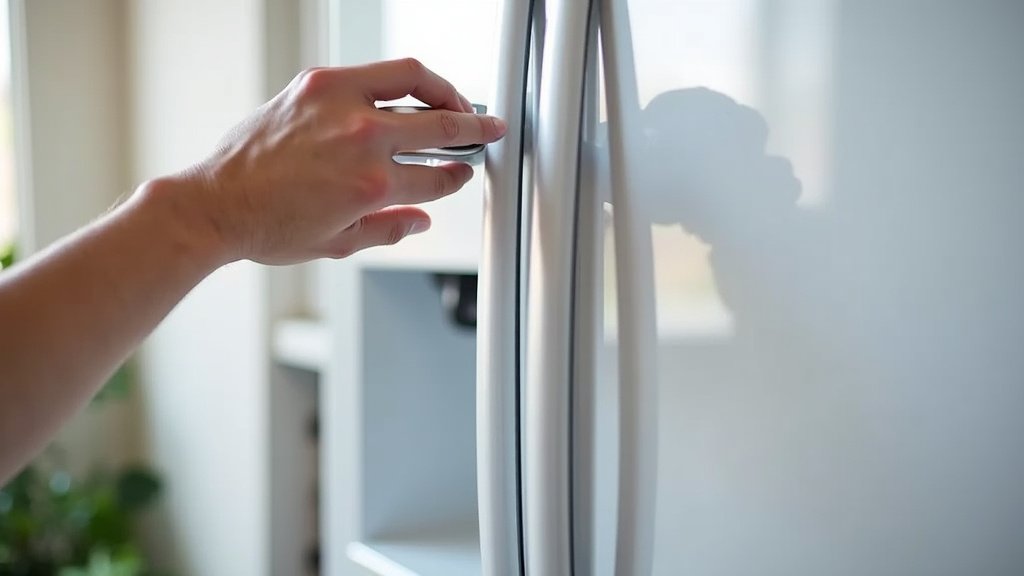
Pull your refrigerator out from the wall to get a good look at the water line. Carefully trace its path from the wall valve to the refrigerator. Gently try to straighten out any sharp bends or kinks you find.
If you see a permanent crease or damage, the section of the line might need to be replaced. You can usually purchase replacement water line tubing at appliance stores or home improvement centers. The process involves disconnecting the old line and installing the new one, ensuring a snug fit at both ends.
Low Water Pressure from Your Home Supply
While less common, it’s possible the issue isn’t with your refrigerator at all, but with the water pressure coming from your home’s supply line. Your Whirlpool refrigerator’s dispenser relies on a certain level of water pressure to function optimally.
What is Acceptable Water Pressure?
Most refrigerator manufacturers recommend a minimum water pressure of 20 psi (pounds per square inch), with an ideal range of 30-120 psi. If your home’s water pressure is consistently below this, your dispenser will likely be slow.
You can check your home’s water pressure using a water pressure gauge, which you can attach to an outdoor spigot or a laundry room faucet. If the pressure is low, you might need to contact a plumber to investigate potential issues with your home’s main water line or pressure regulator.
We found that it’s important to test the pressure at the point where the refrigerator’s water line connects, if possible. Sometimes, a shut-off valve in your home could be partially closed, reducing pressure to that specific line.
Checking for Air in the Water Line
Sometimes, after changing a filter or if the water line has been disconnected, air can get trapped in the system. This trapped air can cause sputtering or a temporary slow flow.
How to Purge Air from the System
The best way to get rid of air is to simply run the water dispenser continuously for a few minutes. Press and hold the dispenser paddle. You’ll likely hear sputtering and see intermittent water flow as the air is pushed out.
Continue dispensing water until you get a steady, uninterrupted stream. This process is often called “purging” the system. It’s a quick and easy step that can resolve dispenser issues caused by trapped air. We recommend dispensing about a gallon of water to ensure all air is expelled.
Quick Checklist for a Slow Water Dispenser
Here’s a handy list to help you tackle the problem:
- Check and replace the water filter if it’s old or clogged.
- Inspect the water line for any kinks or visible damage.
- Attempt to thaw any potential ice blockages in the water line.
- Purge air from the water line by running the dispenser.
- Verify your home’s water pressure is adequate.
Conclusion
It’s clear that a slow water dispenser on your Whirlpool refrigerator is usually a fixable issue. You’ve learned that the most common culprits—a clogged filter, frozen water line, or kinks—are often within your reach to resolve. Don’t let that slow trickle frustrate you any longer. Your next step should be to systematically go through the quick checklist we provided.
Start with the simplest solutions like checking and replacing your filter or straightening the water line. If those don’t work, you can move on to investigating potential ice blockages or air in the line. Addressing these common problems can get your dispenser back to its full flow. If you’ve tried these steps and are still experiencing issues, it might be time to consult your owner’s manual or consider professional help.
Frequently Asked Questions
How often should I really replace my Whirlpool refrigerator water filter?
Most manufacturers recommend replacing your Whirlpool refrigerator’s water filter every six months. If you have hard water or your water quality is poor, you might need to replace it even more frequently. Regularly changing your filter is key to maintaining good water flow and quality.
Can I use something other than a hairdryer to thaw a frozen water line?
While a hairdryer on a low setting is recommended, you can also try placing warm (not boiling) compresses against the suspected frozen area of the water line. Always unplug the refrigerator first and be careful not to damage any plastic components with excessive heat.
My dispenser is sputtering, is that the same as being slow?
Sputtering is often related to air trapped in the water line, which can temporarily slow down the flow. This is usually resolved by purging the system by running water continuously until a steady stream emerges. A consistently slow flow without sputtering points to a different issue.
What’s the easiest way to check if my home’s water pressure is too low for the fridge?
The simplest method is to use a water pressure gauge attached to an outdoor spigot or laundry faucet. If the reading consistently falls below 20 psi, it’s likely affecting your refrigerator’s dispenser. You might need to contact a plumber to address your home’s main water supply pressure.
If I replace the water filter, do I need to do anything else?
After installing a new water filter, it’s a good practice to flush a few gallons of water through the dispenser. This helps remove any air that may have entered the system during the filter change and ensures the new filter is working correctly. You might also need to reset your filter indicator light.